
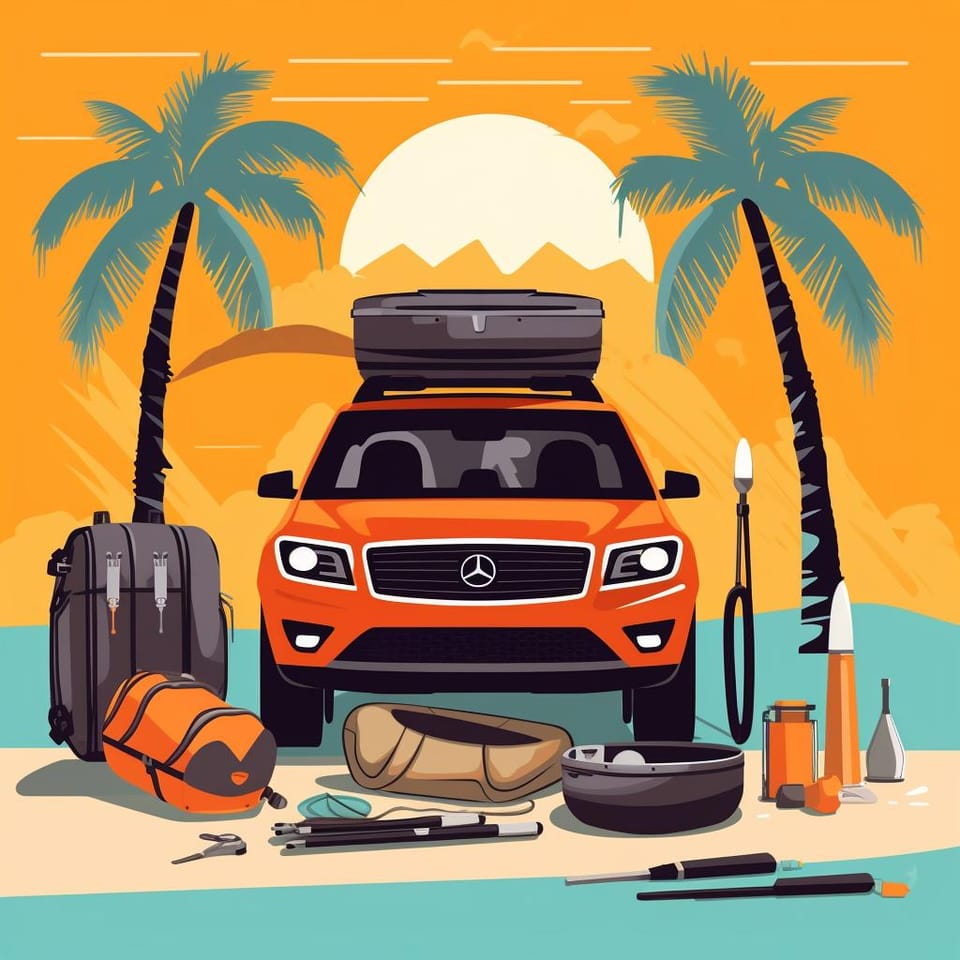

🚗💨 Catching the Wave: Your First Dip into Beach Driving
What could be more exhilarating than the feel of the sun on your skin, the breeze in your hair, and the crunch of sand under your tires? Welcome to the world of beach driving, where the road is replaced by a vast expanse of golden sand and the horizon is an endless blue sea.
If you're searching for beach off roading near me, then you're in for a treat. But here's the catch - beach driving is not your average Sunday drive. It's an adventure, a thrill, and a test of your driving skills, all rolled into one.
So, how do you prepare for this unique journey? How do you ensure that your vehicle is ready to tackle the dunes? That's where we come in. This beach driving guide will provide you with all the beach driving preparation tips you need to turn your day at the beach into a memorable off-road beach driving experience.
Remember, the charm of beach driving lies not just in the journey, but also in the meticulous preparation that goes into it. So, buckle up, and let's dive into the fascinating world of vehicle beach driving tips.

To give you a feel for the thrill and excitement of beach driving, let's take a look at this video.
That was quite an adventure, wasn't it? Now that you have a taste of what beach driving can be like, let's move on to discuss how you can prepare your vehicle for such an experience.
🔧 Gearing Up: Essential Vehicle Prep for Beach Driving
Imagine the thrill of off-road beach driving, the salty sea breeze tousling your hair, as you navigate your trusty steed across the sandy plains. Sounds exhilarating, doesn't it? But wait! Before you buckle up for the beach off-roading near you, let's ensure your vehicle is up to the task.
First things first, a thorough vehicle inspection is a must. Is your car suitable for the beach? Typically, 4WDs or AWDs fare better on the sand. Don't have one? No worries, check out our guide on how to prevent your FWD truck or SUV from getting stuck on the beach.
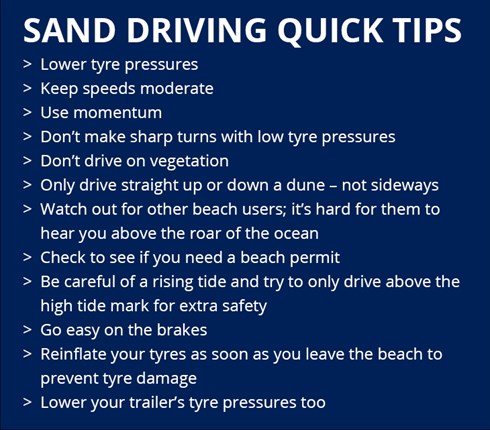
Next, let's talk tire pressures. Lowering your tire pressure increases the surface area of the tire in contact with the sand, reducing the chance of getting stuck. But how low should you go? Find out in our guide to driving in soft sand.
Remember, preparation is key to a safe and enjoyable beach driving experience. So, are you ready to hit the beach?
Before hitting the sand, it's crucial to ensure your vehicle is in top shape. Here's a step-by-step guide to help you prepare your vehicle for a day of beach driving:
The Ultimate Guide to Preparing Your Vehicle for Beach Driving




Learn more about 🚗 The Ultimate Guide to Preparing Your Vehicle for Beach Driving 🏖️ or discover other Coast Buddy guides.
With your vehicle now prepared, you're ready to hit the beach. But don't forget, preparation doesn't end here. Check out our checklist of necessary tasks to ensure you're fully prepared for your beach driving adventure.
Now that we've discussed how to inspect and set up your vehicle for beach driving, let's summarize the key steps in a handy checklist.
With your vehicle now ready, it's time to pack the essentials for your beach driving adventure. Let's dive into that next.
🎒 Beach Driving Kit: Must-Have Items for Your Sand Adventure
Ever wondered why seasoned beach drivers always carry a tire pressure gauge, recovery gear, and plenty of water? Well, let's dive into the nitty-gritty. Picture this: you're cruising along the off-road beach near you, the sun is setting, and suddenly your vehicle sinks into the soft sand. Without a tire pressure gauge and recovery gear, you might as well call your beach driving adventure a day. Moreover, beach driving can be thirsty work, and you wouldn't want to be caught out in the Corolla off-road beach without plenty of water, would you?
Remember, preparation is half the battle won. So, before you set off for your beach off-roading near you, make sure you've got these essentials packed. After all, safe beach driving is all about being ready for the unexpected. And who knows? With the right beach driving preparation, you might just have the most thrilling off-road beach driving experience ever!
Essential Items to Carry in Your Car for Beach Driving
- Tire Pressure Gauge: This is crucial for adjusting your tire pressure to suit the beach terrain.
- Recovery Gear: Include items like a shovel, recovery boards, and a tow rope. You never know when you might need to dig yourself out of a sandy situation.
- Plenty of Water: Always carry enough water for both you and your vehicle. Overheating can be a common issue while driving on the beach.
- First Aid Kit: Accidents can happen, so it's always safe to have a well-stocked first aid kit on hand.
- Sunscreen: Protect yourself from the sun's harmful rays while you're out on the beach.
- Snacks: Beach driving can be a long and tiring activity. Keep your energy levels up with some snacks.
- Beach Permit: Many beaches require a permit for beach driving. Make sure you have yours before you set off.
- Map or GPS: Don't rely solely on cell service. A physical map or a GPS can be a lifesaver when you're navigating unfamiliar terrain.
- Extra Fuel: Beach driving can consume more fuel than regular driving. Carry extra to avoid getting stranded.
- Blanket and Extra Clothes: The weather can change quickly on the beach. Stay prepared with a blanket and change of clothes.
🛑 Slow Down, Buddy! Safety Guidelines for Beach Cruising
Imagine the sun is setting, the ocean breeze gently rustles your hair, and you're cruising down an off-road beach near you. Sounds idyllic, right? But, what if amidst this serene setting, your vehicle gets stuck in the sand, or worse, you inadvertently pose a risk to beach-goers? Not so idyllic anymore.
Here's the good news: with a few simple precautions, you can make your beach driving experience both safe and enjoyable. First, always be on the lookout for pedestrians. Remember, the beach is their playground, and your vehicle is the guest. Secondly, stick to the speed limits. The beach isn't a race track, and speeding can lead to accidents or vehicle damage. Lastly, avoid beach driving during high tide. The last thing you want is for your vehicle to become an unplanned submarine!
Need more tips on safe beach driving? Check out our comprehensive Beach Driving Safety Tips and Best Practices. And remember, safety first, because no beach drive is worth a mishap.

🚦 Know Before You Go: Navigating Beach Driving Laws and Regulations
Picture this: You've got your vehicle prepped, the sun is shining, and the open beach is calling. But wait, have you checked the local beach driving regulations? If not, you might be in for a rude awakening. Understanding and respecting local rules and regulations for beach driving is not just about avoiding fines or penalties. It's about ensuring the safety of everyone on the beach, preserving the coastal environment, and making beach driving enjoyable for all.
Whether you're venturing off-road in Corolla or cruising along any other beach, regulations can vary greatly. Some beaches might require an ORV driving permit, while others might have specific rules about tire pressure or vehicle type. You wouldn't want to be that person who gets their vehicle stuck in the sand, would you? So, before you hit the beach, make sure you're well-versed with the rules.
Remember, safe beach driving starts with preparation. For more tips on how to prepare your vehicle for a day of beach driving, check out our guide on vehicle requirements and preparations for a successful beach drive. To familiarize yourself with the beach driving laws in your state, visit our comprehensive list here. And for more on beach driving safety, we've got you covered here. Happy beach driving!
Common Rules and Regulations in Popular Beach Driving Destinations
To give you a clearer idea, let's take a look at some of the common rules and regulations in popular beach driving destinations. Remember, these can vary, so it's always best to check the specific rules of the beach you plan to visit.
| Beach Destination | Permit Required | Vehicle Type Restrictions | Speed Limit | Tide Restrictions |
|---|---|---|---|---|
| Daytona Beach, FL | Yes 📝 | No ATVs 🚫 | 10 mph 🚗 | Avoid high tide 🌊 |
| Pismo Beach, CA | Yes 📝 | No ATVs 🚫 | 15 mph 🚗 | Avoid high tide 🌊 |
| Cape Cod, MA | Yes 📝 | 4x4 vehicles only 🚙 | 15 mph 🚗 | Avoid high tide 🌊 |
| Outer Banks, NC | Yes 📝 | 4x4 vehicles only 🚙 | 25 mph 🚗 | No restrictions 🆓 |
| Padre Island, TX | No 🆓 | No restrictions 🆓 | 15 mph 🚗 | Avoid high tide 🌊 |
As you can see, rules can vary greatly from one beach to another. Always make sure to check the specific regulations of your chosen beach before you set off. Now, let's wrap things up in our conclusion.
🌅 Wrapping Up: Your Key to Unlocking the Ultimate Beach Driving Experience
So, my friend, you've journeyed with me through the nitty-gritty of beach driving preparation: from understanding what's under your hood to decoding the cryptic language of tire pressure, and even packing your survival kit for those unexpected moments. We've trodden together on the sands of safety, danced around regulations, and peered into the abyss of potential pitfalls. Now, we stand on the brink of a new adventure, ready to claim the thrilling experience of off-road beach driving!
But remember, every epic story needs a hero—and in this tale, that hero is you. It's up to you to wield this newfound knowledge responsibly, to respect the sand beneath your tires, the people sharing your space, and the laws that guide your journey. In the end, it's not just about reaching the destination, it's about the thrill of the journey, the memories etched in tire tracks, and the stories only you can tell.
Are you ready to write your own beach driving saga? Perhaps you're already scouting for an off-road beach near you, or maybe you're seeking more wisdom in the pages of our beach driving guide. Remember, a little knowledge can turn a day at the beach into an unforgettable adventure. So, buckle up, take a deep breath, and let's ride the waves together, shall we?
Beach Driving Preparation and Safety Quiz
Test your knowledge on how to properly prepare your vehicle for a day of beach driving and understand the safety measures to take.
Learn more about 🏖️ Beach Driving Preparation and Safety Quiz or discover other Coast Buddy quizzes.
What's your favorite beach driving destination?
We all have that one beach that's perfect for a drive. Which is your favorite beach driving destination? Share your top pick with our community!
No comments yet. Be the first to share your thoughts!