

Sand, sensors, and smartphones
I remember one trip to Assateague Island a few years ago vividly—mostly because of the hour I spent digging my truck out of the sand. The problem wasn’t a lack of four-wheel drive, but a complete misjudgment of my tire pressure. What felt perfectly firm on the highway turned into a sinking feeling as soon as I hit the soft sand. It was a frustrating lesson, and one that could have been easily avoided with the right tools.
That’s where smart tire pressure monitoring systems, or TPMS, come in. These systems go beyond the basic warning light on your dashboard and give you real-time, precise readings of each tire’s pressure. They are particularly useful for beach driving, where maintaining the correct pressure is absolutely essential for traction and avoiding getting stuck.
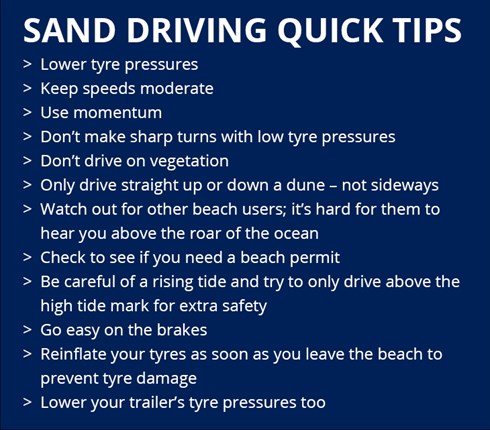
Sand requires lower pressure so your tires can spread out and stay on top of the surface. If you stay at highway pressure, you'll sink. If you go too low, you might pop a bead or damage a rim. These seven apps, paired with Bluetooth sensors, help you find the right balance without guessing.
Why sand requires low pressure
Driving on the beach isn’t like driving anywhere else. The soft, shifting sand presents a unique set of challenges that demand a different approach to tire pressure. Incorrect pressure can lead to getting stuck, damaging your vehicle, and even harming the fragile beach ecosystem.
Lower pressure increases the contact area between the tire and the sand. This stops the tires from digging holes and lets them glide across the surface. The National Park Service recommends checking local conditions before you head out.
The ideal tire pressure varies depending on your vehicle's weight, tire size, and the specific sand conditions. A heavier vehicle will generally require slightly higher pressure than a lighter one. Finer, softer sand needs lower pressure than packed, firmer sand. Generally, a starting point of 15-20 PSI is recommended, but experimentation is crucial. Driving with too little pressure can cause the tires to roll off the rims, while too much pressure can lead to sinking and potential damage to both the tires and the vehicle.
Beyond vehicle damage, driving with improper tire pressure on beaches can contribute to erosion and harm wildlife. Getting stuck can disturb dune vegetation, and excessive spinning of tires can tear up the sand. It’s a good practice to be mindful of the environment and leave the beach as you found it.
Seven apps for better traction
Okay, let’s get to the apps. These seven options all offer features that can help you manage your tire pressure for optimal beach driving performance. Prices were current as of late 2026, but are always subject to change.
1. TireBuddy: This is a consistently well-regarded app, especially among off-road enthusiasts. It connects to TPMS sensors via Bluetooth and provides real-time pressure and temperature readings. TireBuddy allows you to set custom alerts and save pressure profiles for different vehicles or driving conditions. It’s particularly useful for creating a dedicated "beach" profile. (iOS, $9.99 one-time purchase).
2. Torque Pro: While primarily known as an OBD-II diagnostic tool, Torque Pro can also display TPMS data if you have compatible sensors. It’s incredibly customizable, allowing you to create custom dashboards and gauges. The learning curve is steeper than some other apps, but the level of control is unmatched. (Android, $49.99 one-time purchase).
3. EEZ Tire: A simpler, more user-friendly option. EEZ Tire focuses on providing clear, easy-to-understand tire pressure information. It connects to sensors via Bluetooth and offers alerts for low pressure, high pressure, and temperature. (iOS & Android, Free with in-app purchases for advanced features).
4. TPMS Dash: This app is designed specifically for TPMS sensors and offers a clean, intuitive interface. It supports a wide range of sensor types and provides detailed data logging capabilities. (iOS & Android, $19.99 one-time purchase).
5. OBDLink: Similar to Torque Pro, OBDLink is a comprehensive vehicle diagnostic app that can also display TPMS data. It requires a compatible OBDLink adapter, which is sold separately. (iOS & Android, App is free, OBDLink adapter varies in price).
6. BlueDriver: Another popular OBD-II scanner with TPMS support. BlueDriver offers a user-friendly interface and a wealth of diagnostic information. It’s a good option if you’re looking for an all-in-one vehicle management tool. (iOS & Android, Free with in-app purchases).
7. SensorLink: This app is made by the same company as the sensors, so compatibility is guaranteed. It offers a straightforward interface and focuses on providing accurate, reliable tire pressure data. (iOS & Android, Free).
Featured Products

Wireless solar-powered TPMS with 4 external sensors · Colorful display with 6 alarm modes · Monitors tire pressure from 0-87 PSI
This system provides reliable, solar-powered tire pressure monitoring with clear alerts, ensuring you maintain optimal pressure for beach driving.

Wireless TPMS with 4 external sensors · Colorful display with 6 alarm modes · Real-time tire pressure monitoring up to 144 PSI
Offers real-time tire pressure data with multiple alerts, crucial for adjusting and maintaining ideal PSI for sandy conditions.

Solar-charged TPMS with 4 sensors (expandable to 10) · Color LCD display with 6 alarm modes · Monitors tire pressure from 0-87 PSI
This updated solar TPMS is ideal for larger vehicles, providing essential pressure data and alerts for safe and effective beach driving.
Wireless TPMS with 4 external sensors · Colorful display with 6 alarm modes · Real-time tire pressure monitoring up to 144 PSI
Offers real-time tire pressure data with multiple alerts, crucial for adjusting and maintaining ideal PSI for sandy conditions.
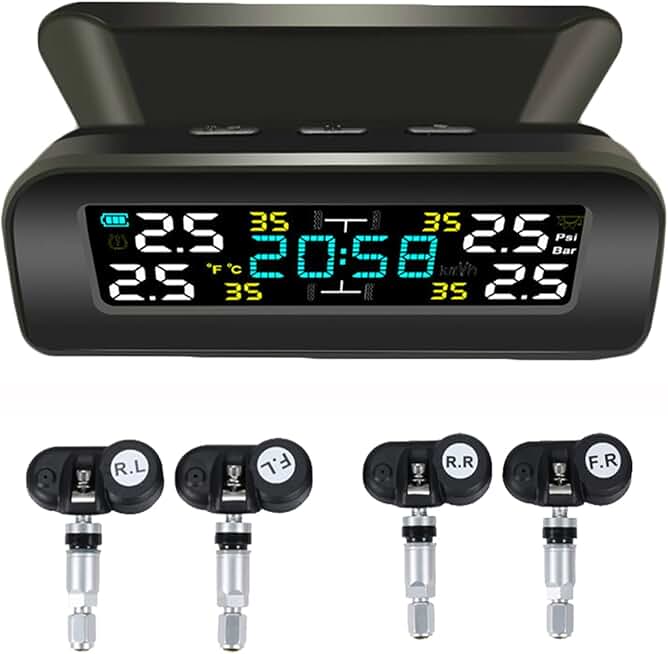
Wireless solar TPMS with 4 internal sensors · Real-time display of temperature and pressure · Suitable for cars, RVs, SUVs, MPVs, and sedans
This internal sensor system provides continuous monitoring of both tire pressure and temperature, vital for preventing issues on varied beach terrain.
As an Amazon Associate I earn from qualifying purchases. Prices may vary.
Choosing the right sensors
The app is only as good as the data it receives, which means choosing the right TPMS sensors is critical. There are two main types: direct and indirect. Direct TPMS sensors are installed inside the tire and directly measure the air pressure. They are more accurate and reliable than indirect sensors.
Indirect TPMS sensors, on the other hand, use the wheel speed sensors to estimate tire pressure. They are less expensive but also less accurate. For beach driving, I strongly recommend investing in a set of direct TPMS sensors. The added accuracy is worth the extra cost, especially when trying to dial in the perfect pressure.
Sensor accuracy and reliability are paramount. Look for sensors from reputable brands and read reviews before purchasing. Keep in mind that saltwater can be corrosive, so it’s important to choose sensors that are designed to withstand harsh environments. Regular maintenance, including checking the sensor batteries, is also essential.
Calibration and Real-World Testing
Even the best TPMS sensors and apps require calibration. Follow the manufacturer’s instructions to ensure accurate readings. It’s also a good idea to periodically verify the accuracy of the app’s readings against a manual tire pressure gauge. Discrepancies can occur, and it’s important to know if your system is providing reliable data.
Temperature significantly impacts tire pressure. As the temperature rises, tire pressure increases, and vice versa. Most TPMS apps account for temperature compensation, but it’s still important to be aware of this factor. Check your tire pressure in the morning before driving, when the tires are cool.
I’ve heard stories from fellow beach drivers who were able to avoid getting stuck thanks to their TPMS app. One driver, using TireBuddy, noticed a sudden drop in pressure in one tire while driving on a remote stretch of beach. He was able to quickly air down the other tires to match, preventing the vehicle from getting bogged down. These real-world examples demonstrate the value of a reliable TPMS system.
Beach Driving Prep Checklist
Before you head out for a day of beach driving, take a few minutes to prepare. A little bit of planning can save you a lot of headaches—and potentially a stuck vehicle. Here's a quick checklist:
• Check tire pressure using your TPMS app and a manual gauge.
• Verify that your TPMS sensors are functioning correctly.
• Pack recovery gear, such as a shovel, tow strap, and traction boards.
• Familiarize yourself with local beach driving regulations (Coast Buddy is a great resource: coastbuddy.com).
• Inform someone of your plans, including your route and expected return time.
No comments yet. Be the first to share your thoughts!