

2024 Beach Driving Permits: Complete State-by-State Guide to Regulations and Fees - Part 1
Understanding Beach Driving Permit Requirements
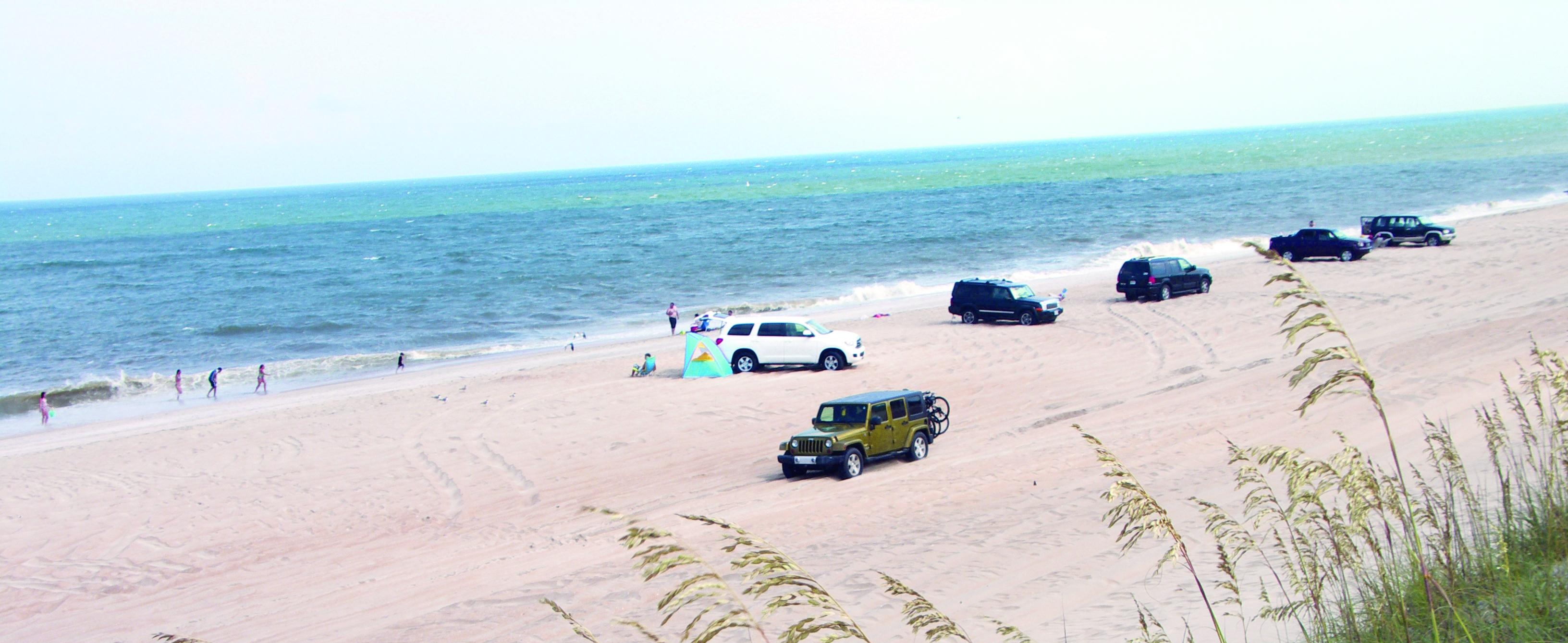
Beach driving permits have become increasingly essential for accessing coastal areas across the United States. As of 2024, most states with designated beach driving zones require specific permits, with regulations varying significantly from state to state. Understanding these requirements before your trip can save you from costly fines and ensure a safe, legal beach driving experience.
The complexity of beach driving regulations stems from the need to balance recreational access with environmental protection. Coastal areas often serve as critical habitats for endangered species, particularly nesting sea turtles and shorebirds. Additionally, vehicle traffic on beaches can cause erosion and damage to fragile dune systems if not properly managed.

Key Components of Beach Driving Regulations
Most beach driving permit systems include several common elements that drivers must understand:
Permit Types and Duration: States typically offer daily, weekly, seasonal, and annual permit options. Daily permits range from $15-50, while annual permits can cost $75-200 depending on the state and specific beach area. Some locations offer resident discounts of 25-50% off standard rates.
Vehicle Requirements: Most jurisdictions require four-wheel drive vehicles for beach access, though some areas allow all-wheel drive vehicles on packed sand surfaces. Vehicle weight restrictions are common, with many areas prohibiting vehicles over 10,000 pounds gross vehicle weight.
Safety Equipment Mandates: Many states require specific safety equipment including emergency flags, first aid kits, fire extinguishers, and communication devices. Some areas mandate tire pressure gauges and recovery equipment like tow straps or sand ladders.
Recent Regulatory Changes and Trends
The 2024 season has brought significant changes to beach driving regulations across multiple states. North Carolina's Cape Lookout National Seashore implemented new ORV permit requirements effective March 13, 2026, with permits increasing from $35 to $75 for new purchases. This represents a more than 100% fee increase, reflecting the growing costs of beach management and conservation efforts.
Delaware has maintained its fee structure at Deauville Beach, with daily access remaining at $15 on weekdays and $20 on weekends through November 30, 2024. However, enforcement has become more stringent, with increased ranger presence during peak season periods.
2024 Beach Driving Permit Fees and Requirements by State
| State/Location | Annual Permit Fee | Daily/Weekly Fee | Seasonal Restrictions | Vehicle Requirements |
|---|---|---|---|---|
| North Carolina (Outer Banks) | $50 | $15 daily | May 1 - Sept 15 (turtle nesting) | 4WD required, street legal |
| Delaware (Cape Henlopen) | $100 | $30 daily | March 15 - Oct 31 (shorebird protection) | 4WD required, permit decal |
| Massachusetts (Cape Cod National Seashore) | $200 | $60 daily | April 1 - Aug 31 (plover nesting) | 4WD, safety equipment, inspection |
| New Jersey (Island Beach State Park) | $85 | $25 daily | April 1 - Sept 30 (wildlife protection) | 4WD, NJ registration required |
| Virginia (Assateague Island) | $110 | $35 daily | May 15 - Aug 31 (sea turtle season) | 4WD, tow strap, shovel required |
| Texas (Padre Island National Seashore) | $40 | $20 daily | April 1 - July 31 (Kemp's ridley nesting) | Any vehicle, 4WD recommended |
| Florida (New Smyrna Beach) | $20 | $10 daily | May 1 - Oct 31 (sea turtle nesting) | Street legal vehicle, no 4WD requirement |
| Oregon (Sand Lake Recreation Area) | $30 | $5 daily | March 15 - Sept 15 (snowy plover) | ATV permit, safety flag required |
Environmental considerations continue to drive regulatory changes. Many states have expanded seasonal restrictions to protect nesting wildlife, with some beaches closing entirely during critical breeding periods from May through September. These closures can significantly impact access, making advance planning essential for beach driving enthusiasts.
Digital Permit Systems and Technology Integration
The shift toward digital permit systems has accelerated in 2024, with most states now requiring online permit purchases through platforms like Recreation.gov. This transition has improved permit tracking and reduced administrative costs, but it has also created new challenges for visitors unfamiliar with digital systems.
2024 Beach Driving Permits by State: Fees, Duration, and Requirements
| State/Location | Annual Permit Fee | Permit Duration | Vehicle Requirements | Online Purchase Available |
|---|---|---|---|---|
| North Carolina - Outer Banks | $50 | Calendar Year | 4WD Required, Street Legal | Yes - Recreation.gov |
| Delaware - State Parks | $10 (Residents) / $20 (Non-residents) | Calendar Year | 4WD Recommended | Yes - Delaware State Parks |
| Massachusetts - Cape Cod National Seashore | $75 | Calendar Year | 4WD Required, Low Tire Pressure | Yes - Recreation.gov |
| New Jersey - Island Beach State Park | $50 | Calendar Year | 4WD Required, Safety Equipment | Yes - NJ State Parks |
| Virginia - Assateague Island | $110 | Calendar Year | 4WD Required, Permit Display | Yes - Recreation.gov |
| Texas - Padre Island National Seashore | $20 | 7 Days | 4WD Recommended | Yes - Recreation.gov |
| Florida - New Smyrna Beach | $20 | Calendar Year | Street Legal Vehicle | Yes - Volusia County |
| Oregon - State Beaches | Free | N/A | Street Legal, Tide Awareness | No Permit Required |
Mobile permit verification has become standard practice, with many rangers now using handheld devices to instantly verify permit status. This technology improvement has reduced wait times at access points while improving compliance monitoring.
Planning Your Beach Driving Adventure
Successful beach driving requires thorough preparation and understanding of local regulations. Before purchasing permits, research specific beach conditions, seasonal restrictions, and vehicle requirements for your intended destination. Weather conditions can significantly impact beach accessibility, with storms and high tides often closing access points temporarily.
Consider purchasing permits well in advance, especially for popular destinations during peak season. Many beaches have daily vehicle limits, and permits can sell out during busy holiday weekends. Annual permits often provide the best value for frequent beach drivers and typically include additional benefits like priority access or discounted camping rates.
Understanding local emergency procedures is crucial for safe beach driving. Familiarize yourself with tide schedules, emergency contact information, and evacuation routes before venturing onto any beach. Many coastal areas experience rapid weather changes that can create dangerous driving conditions within minutes.
State-by-State Beach Driving Permit Requirements
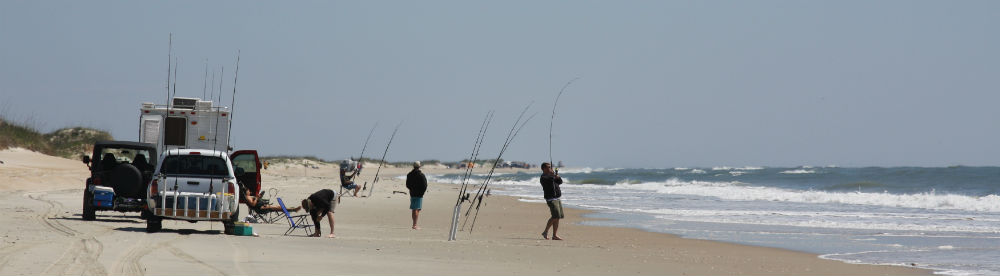
Beach driving regulations vary dramatically across coastal states, with each jurisdiction implementing its own permit system, fees, and operational requirements. Understanding these differences is crucial for planning your beach driving adventure and ensuring compliance with local laws.
Atlantic Coast States
The Atlantic coastline presents diverse beach driving opportunities, from the Outer Banks of North Carolina to the shores of Maine. Each state has developed unique approaches to managing vehicular beach access while balancing conservation needs with recreational opportunities.
2024 Atlantic Coast Beach Driving Permits: State-by-State Requirements
| State/Location | Permit Type | Fee | Validity Period | Key Restrictions |
|---|---|---|---|---|
| North Carolina - Cape Lookout National Seashore | Off-Road Vehicle (ORV) Permit | $35 (before 3/13/26), $75 (after 3/13/26) | Annual | Required for North Core Banks and South Core Banks; must be obtained online |
| North Carolina - Cape Hatteras National Seashore | ORV Permit | $120 | Annual (calendar year) | Seasonal closures for wildlife protection; speed limit 15 mph; must stay on designated routes |
| Virginia - Assateague Island National Seashore | ORV Permit | $110 | Annual | 4WD required; permit must be displayed; seasonal restrictions apply |
| Maryland - Assateague State Park | Beach Driving Permit | $50 | Annual | Valid Maryland driver's license required; 4WD vehicles only; air down tires to 15-20 PSI |
| Delaware - Delaware Seashore State Park | ORV Permit | $100 | Annual (April 1 - March 31) | Surf fishing permit also required ($10); vehicles must be street legal and registered |
| Massachusetts - Cape Cod National Seashore | ORV Permit | $200 | Annual | Self-contained vehicles only; strict seasonal closures for shorebird nesting |
| New Jersey - Island Beach State Park | Vehicle Beach Access Permit | $195 | Annual | 4WD recommended but not required; permit allows access to designated fishing areas only |
North Carolina leads the way with some of the most comprehensive beach driving programs in the country. Cape Lookout National Seashore requires Off-Road Vehicle permits for driving on North Core Banks and South Core Banks, with fees increasing from $35 to $75 as of March 13, 2026. The state's Outer Banks region offers extensive beach driving opportunities, but permits must be obtained online through Recreation.gov with printed copies required in vehicles.
Delaware has implemented a tiered fee structure at locations like Deauville Beach, where daily entrance fees range from $15 on weekdays to $20 on weekends through November 30, 2024. Annual passes provide better value for frequent visitors and residents.
2024 Beach Driving Permits: State-by-State Regulations and Fees
| State/Location | Permit Type | 2024 Fee | Validity Period | Key Restrictions |
|---|---|---|---|---|
| North Carolina - Cape Lookout National Seashore | ORV Permit | $35 (before March 13, 2026) | Annual | North and South Core Banks only, online purchase required |
| North Carolina - Cape Hatteras National Seashore | ORV Permit | $50 | Annual | Seasonal closures for wildlife protection, turtle nesting areas |
| Virginia - Assateague Island National Seashore | ORV Permit | $110 | Annual | Maryland side only, 4WD required, air-down to 15-20 PSI |
| Delaware - Delaware Seashore State Park | ORV Permit | $50 residents / $100 non-residents | Annual | October 1 - March 31 only, surf fishing access |
| Massachusetts - Cape Cod National Seashore | ORV Permit | $200 | Annual | Self-contained vehicle required, seasonal restrictions apply |
| Texas - Galveston Island State Park | Daily Vehicle Pass | $7 | Daily | East Beach area, no permit required for most beaches |
| Florida - New Smyrna Beach | Beach Access Pass | $20 weekdays / $25 weekends | Daily | Flagler Avenue approach, tide and weather dependent |
| South Carolina - Folly Beach | No Permit Required | Free | N/A | County Road 30 access, 4WD recommended during high tide |
Gulf Coast Regulations
Gulf Coast states present unique challenges for beach driving due to varying sand conditions, wildlife protection zones, and seasonal restrictions. Texas leads the Gulf region with extensive beach driving opportunities along its 367-mile coastline, while Florida implements strict seasonal closures to protect sea turtle nesting areas.
Texas beaches generally allow vehicular access without permits on most public beaches, but specific areas like Padre Island National Seashore require special permits for backcountry camping and extended stays. The state's liberal approach to beach driving makes it a popular destination for recreational vehicle enthusiasts.
Florida's beach driving regulations focus heavily on environmental protection, with many areas implementing seasonal closures from May through October to protect sea turtle nesting. Permits are typically required for overnight camping and access to restricted areas.
Pacific Coast Considerations
Pacific Coast states maintain some of the most restrictive beach driving policies in the nation, with California, Oregon, and Washington limiting vehicular beach access to specific designated areas. These restrictions stem from environmental concerns, coastal erosion issues, and high population density in coastal areas.
California permits beach driving only in select locations such as Oceano Dunes State Vehicular Recreation Area and portions of Pismo Beach. These areas require day-use permits and strict adherence to designated driving zones to protect sensitive dune ecosystems.
Oregon's beach driving opportunities are extremely limited, with most coastal areas prohibiting vehicles entirely. The few exceptions require special permits and are subject to strict seasonal and environmental restrictions.
Permit Application Process
Most beach driving permits require advance online registration through state park systems or federal recreation websites. The application process typically involves providing vehicle information, insurance documentation, and completing safety education requirements.
Many jurisdictions now require completion of online safety courses before permit issuance. These courses cover topics such as wildlife protection, Leave No Trace principles, proper tire pressure for sand driving, and emergency procedures.
Processing times vary significantly between states, with some offering immediate online permits while others require several business days for approval. Planning ahead is essential, especially during peak seasons when permit availability may be limited.
Renewal requirements also differ by state, with some permits valid for calendar years while others operate on rolling 12-month periods. Understanding these timelines helps avoid lapses in coverage that could result in access denial or citations.
Planning Your Beach Driving Adventure: Essential Tips and Resources
Successfully navigating beach driving regulations requires careful planning and preparation. With permit requirements, fees, and regulations varying significantly across states and even individual beaches, proper preparation can save you time, money, and potential legal complications during your coastal adventure.
Pre-Trip Planning Checklist
Before heading to any beach driving destination, complete these essential preparation steps to ensure compliance with local beach driving regulations and permit requirements:
Vehicle preparation extends beyond obtaining the proper permits. Your vehicle must meet specific requirements that vary by location, including tire pressure adjustments, safety equipment, and in some cases, four-wheel drive capabilities. Many beaches require vehicles to carry emergency equipment such as tow straps, shovels, and first aid kits.
Understanding Permit Costs and Seasonal Variations
Beach driving permit fees have increased across most coastal states in 2024, with some locations implementing dynamic pricing based on seasonal demand. Understanding these cost structures helps budget for your beach driving experience:
Seasonal restrictions significantly impact when and where you can drive on beaches. Many locations implement complete driving bans during peak nesting seasons for sea turtles and shorebirds, typically from May through September. These restrictions protect wildlife while maintaining public access during off-peak periods.
Digital Permit Systems and Mobile Access
The transition to digital permit systems has streamlined the application process but requires internet access and smartphone capabilities. Most states now require permits to be displayed digitally or as printed copies, with some locations accepting mobile displays while others mandate physical permits.
Mobile applications have become essential tools for beach drivers, providing real-time updates on beach conditions, permit requirements, and access restrictions. These apps often include GPS mapping of designated driving areas and emergency contact information for beach patrol services.
Interactive Beach Driving Locations Map
Locate permitted beach driving areas across the United States and access current regulation information for each destination:
This interactive resource provides real-time information about beach access conditions, temporary closures, and permit purchasing options for each location. Regular updates ensure accuracy of information as regulations and conditions change throughout the driving season.
Safety and Environmental Compliance
Beach driving safety extends beyond vehicle operation to include environmental protection and wildlife conservation. Modern beach driving regulations emphasize Leave No Trace principles and wildlife protection measures:
Speed limits on beaches typically range from 15-25 mph, significantly lower than highway speeds. These limits protect pedestrians, wildlife, and other beach users while reducing environmental impact on sensitive dune systems and nesting areas.
Enforcement and Penalty Information
Violation of beach driving regulations can result in substantial fines, vehicle impoundment, and loss of future driving privileges. Understanding enforcement patterns helps avoid costly mistakes:
Law enforcement agencies actively patrol permitted beach driving areas using both traditional patrol methods and modern technology including drone surveillance and automated monitoring systems. Compliance with all posted regulations and permit requirements is strictly enforced.
Future Developments in Beach Driving Regulations
Beach driving regulations continue evolving in response to environmental concerns, increased tourism, and technological advances. Proposed changes for 2025 include expanded digital permit systems, dynamic pricing models, and enhanced environmental monitoring requirements.
Stay informed about regulatory changes by subscribing to official notifications from your preferred beach driving destinations and regularly checking permit websites before planning trips. Regulations can change with minimal notice due to weather conditions, wildlife activity, or emergency situations.
No comments yet. Be the first to share your thoughts!