

Check permit requirements first
Before you pack your gear or head to the shoreline, you must verify the specific beach driving regulations for your destination. These rules are not universal; they vary significantly by county, town, and national park. Assuming that any stretch of sand is open for driving is a common mistake that can lead to heavy fines or vehicle impoundment.
In many popular destinations, permits are mandatory. For example, in Cape Hatteras National Seashore, vehicles must have an ORV permit to drive on designated routes. In Gulf County, Florida, you cannot drive on the beaches without a permit, which is valid until December 31st of the year issued. New Shoreham, Rhode Island, charges $100 for residents and $200 for non-residents. These fees are non-negotiable and must be secured before you enter the sand.
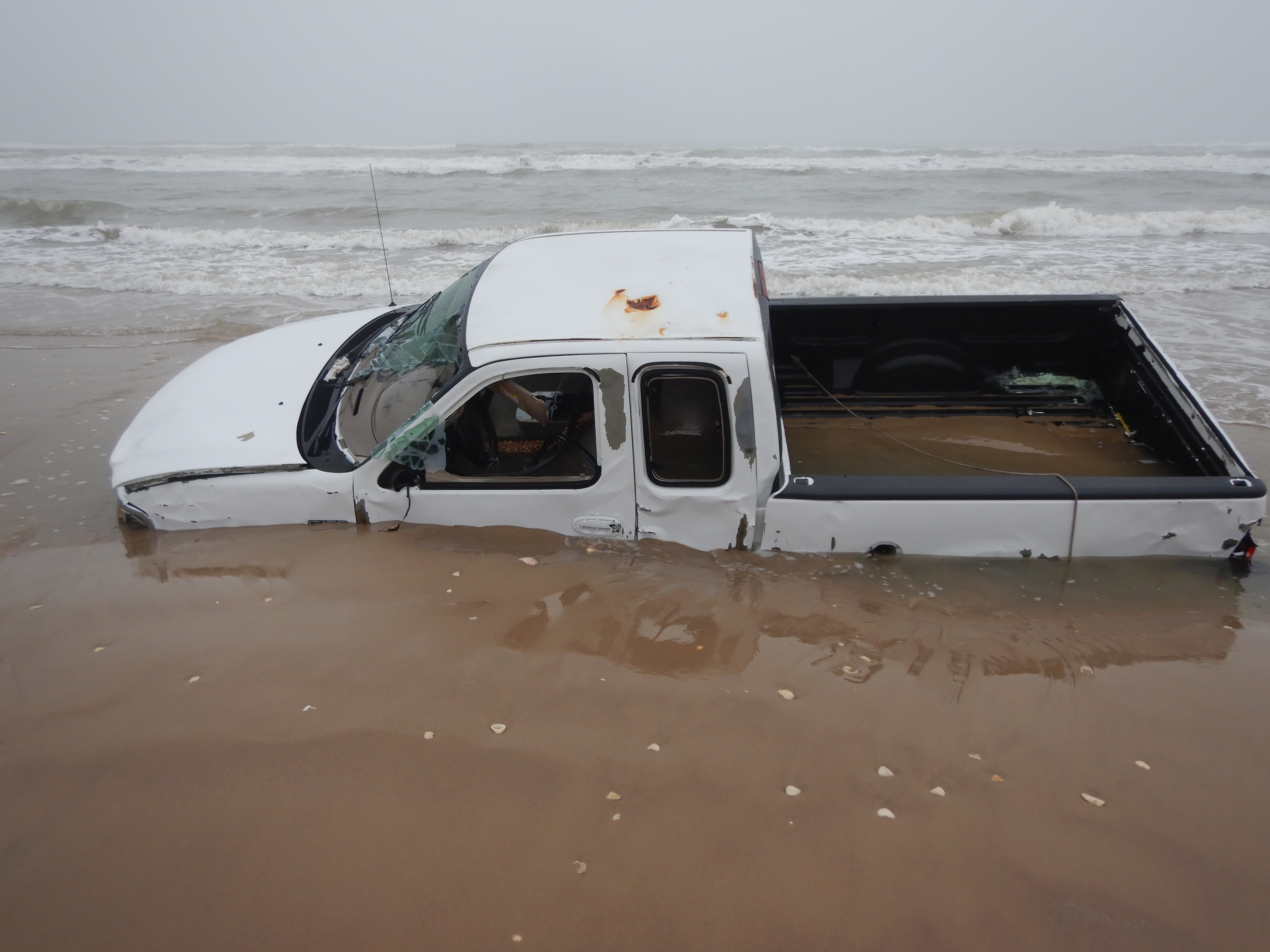
Permit requirements often extend beyond simple fees. Some areas restrict driving to specific seasons, such as the off-season in Corolla, North Carolina, where 4x4 access south of a certain point is only permitted between October 1 and April 30. Other locations may prohibit certain vehicle types, like ATVs or UTVs, even if you have a permit. Always check the official website of the local parks department or town government for the most current rules.
To avoid disappointment, plan your permit purchase in advance. Many areas offer online applications, while others require you to pick up physical permits at local town halls or tackle shops. Keep your permit visible in your vehicle window at all times. Rangers frequently patrol designated driving zones and will issue citations to unpermitted vehicles.
Prepare your vehicle for sand
Before you cross the dune line, your vehicle must be mechanically suited for loose terrain. Beach driving regulations often mandate that vehicles are capable of safe operation on soft surfaces, and standard highway settings are not designed for this environment. Preparing your rig involves two critical adjustments: lowering tire pressure and ensuring your drivetrain is engaged.

Deflating your tires is the single most effective way to increase your footprint and grip. Most beach driving regulations and safety guidelines recommend lowering pressure to between 15 and 20 psi. This "ballooning" effect allows the tire to conform to the sand, preventing it from digging in. Always check your pressure with a gauge before entering the water, and remember to reinflate to standard highway levels immediately after you leave the beach to avoid tire damage.
Two-wheel drive and all-wheel drive (AWD) vehicles are significantly more prone to getting stuck in soft sand. If you are operating a four-wheel drive (4WD) vehicle, engage 4WD Low range for maximum torque and control at low speeds. This setting provides the steady, powerful pull needed to navigate deep, soft patches without spinning your wheels and burying your axles. Verify your system is locked before you approach the water’s edge.
Regulations in many coastal areas, such as the Cape Hatteras National Seashore, require that drivers carry basic recovery equipment. At a minimum, pack a high-quality shovel, a tire deflator kit, and a traction board set. If you are driving in a group, bring a recovery strap and a second vehicle for towing. Being self-sufficient ensures you do not become a hazard to other beach drivers or emergency responders.
Proper preparation transforms a standard SUV into a capable beach machine. By following these mechanical steps, you align your vehicle with the practical requirements of beach driving regulations, ensuring a safer and more compliant experience for everyone on the sand.
Follow speed and lane rules
Compliance with beach driving regulations requires strict adherence to speed limits and designated travel corridors. These rules exist to protect pedestrians, wildlife, and your vehicle from the unique hazards of loose sand and tidal zones. Ignoring these constraints not only risks heavy fines but also endangers everyone on the shoreline.
Speed Limits
Most coastal jurisdictions enforce a strict maximum speed of 15 mph on the beach. This limit is significantly lower than standard road speeds because sand reduces tire traction and increases stopping distances. In some areas, such as parts of North Carolina, the limit may rise to 25 mph during specific off-peak hours, but 15 mph remains the safest baseline for variable conditions.
Driving faster than allowed reduces your ability to react to sudden obstacles like tide pools, debris, or swimmers. It also increases the likelihood of getting stuck, as high speeds can cause tires to lose grip and dig into the sand. Always adjust your speed to match visibility and sand consistency, not just the posted maximum.
Designated Driving Lanes
Vehicles are typically required to stay within specific lanes, often adjacent to the dune line. For example, in Currituck County, driving is restricted to lanes between Milepost 14.5 and Milepost 17 during certain hours to minimize erosion and protect fragile dune ecosystems. These lanes are marked by temporary signage or natural boundaries and must be respected to avoid legal penalties.
Staying within designated lanes ensures you are driving on firmer, more compacted sand, which improves vehicle stability. It also keeps you away from sensitive habitats and reduces the risk of damaging dune vegetation. Always check local ordinances for specific lane markers, as they can change seasonally or due to environmental concerns.

Respect seasonal access windows
Use this section to make the Beach Driving Regulations decision easier to compare in real life, not just on paper. Start with the reader's actual constraint, then separate must-have requirements from details that are merely nice to have. A practical choice should survive normal use, maintenance, timing, and budget. If a recommendation only works in an ideal situation, call that out plainly and give the reader a fallback path.
The simplest way to use this section is to write down the must-have criteria first, then compare each option against those criteria before weighing nice-to-have features.
Beach driving regulations checklist
Before you cross the high-tide line, verify that your vehicle and documentation meet local requirements. Beach driving regulations vary by jurisdiction, but compliance starts with these essentials.

Common questions about beach driving regulations
Understanding local ordinances is essential for safe and legal beach driving. Regulations vary significantly by location, particularly regarding permits, vehicle requirements, and seasonal access windows. Below are specific answers to frequent queries about beach driving regulations.
No comments yet. Be the first to share your thoughts!