

Check permit requirements first
Beach driving regulations are not universal. They shift based on your specific location, the county or municipality you are in, and the time of year. What is legal on a public beach in one town may be strictly prohibited in the next town over. Before you pack your gear or head to the shore, you must verify the current rules for your exact destination.
Many coastal areas enforce seasonal closures to protect nesting wildlife, particularly sea turtles and shorebirds. For example, driving on the beach in the Outer Banks is allowed year-round on Hatteras Island, but restricted to October 1 through April 30 in Nags Head and Kill Devil Hills. Other jurisdictions may ban driving entirely during peak summer months or specific wildlife breeding seasons. Assuming you can drive anywhere on the sand is a common mistake that can lead to heavy fines.
In addition to seasonal restrictions, many areas require a specific beach driving permit or daily pass. These permits often fund beach maintenance and wildlife protection efforts. Some counties limit the number of permits available per day, meaning you may need to purchase them in advance online. Always check with the local county clerk, parks department, or official tourism website for the most up-to-date permit information.
Speed limits on the beach are typically much lower than on paved roads. In Duck, North Carolina, the speed limit is strictly capped at 15 mph. This limit is in place for the safety of pedestrians, cyclists, and wildlife. Exceeding this limit can result in significant citations and potential liability if an accident occurs. Familiarize yourself with these local ordinances to ensure a safe and legal experience.
Secure your beach driving permit
Before you can legally drive on the sand, you must secure the appropriate permit for your destination. Requirements vary significantly by jurisdiction, with some areas mandating specific vehicle inspections or educational prerequisites. In places like the Outer Banks, obtaining a permit requires watching a short instructional video on beach driving rules before paying the fee. Local regulations often enforce strict speed limits, such as 15 mph, to ensure the safety of pedestrians and wildlife.
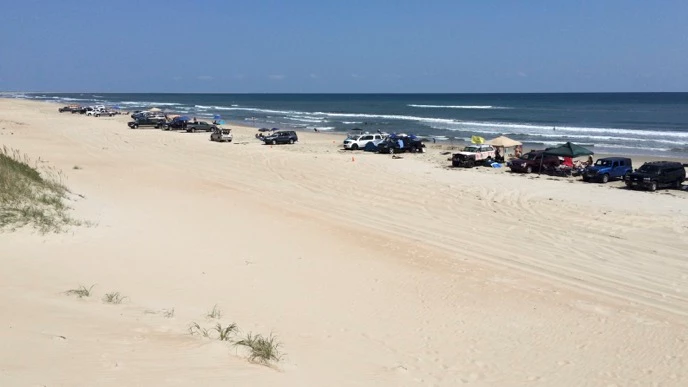
Visit the official website of the local parks department or town clerk for your specific beach area. Confirm whether your vehicle meets local standards, such as four-wheel drive requirements or state inspection stickers. Note the open seasons, as many beaches restrict driving to winter months or require permits only during peak tourist seasons.
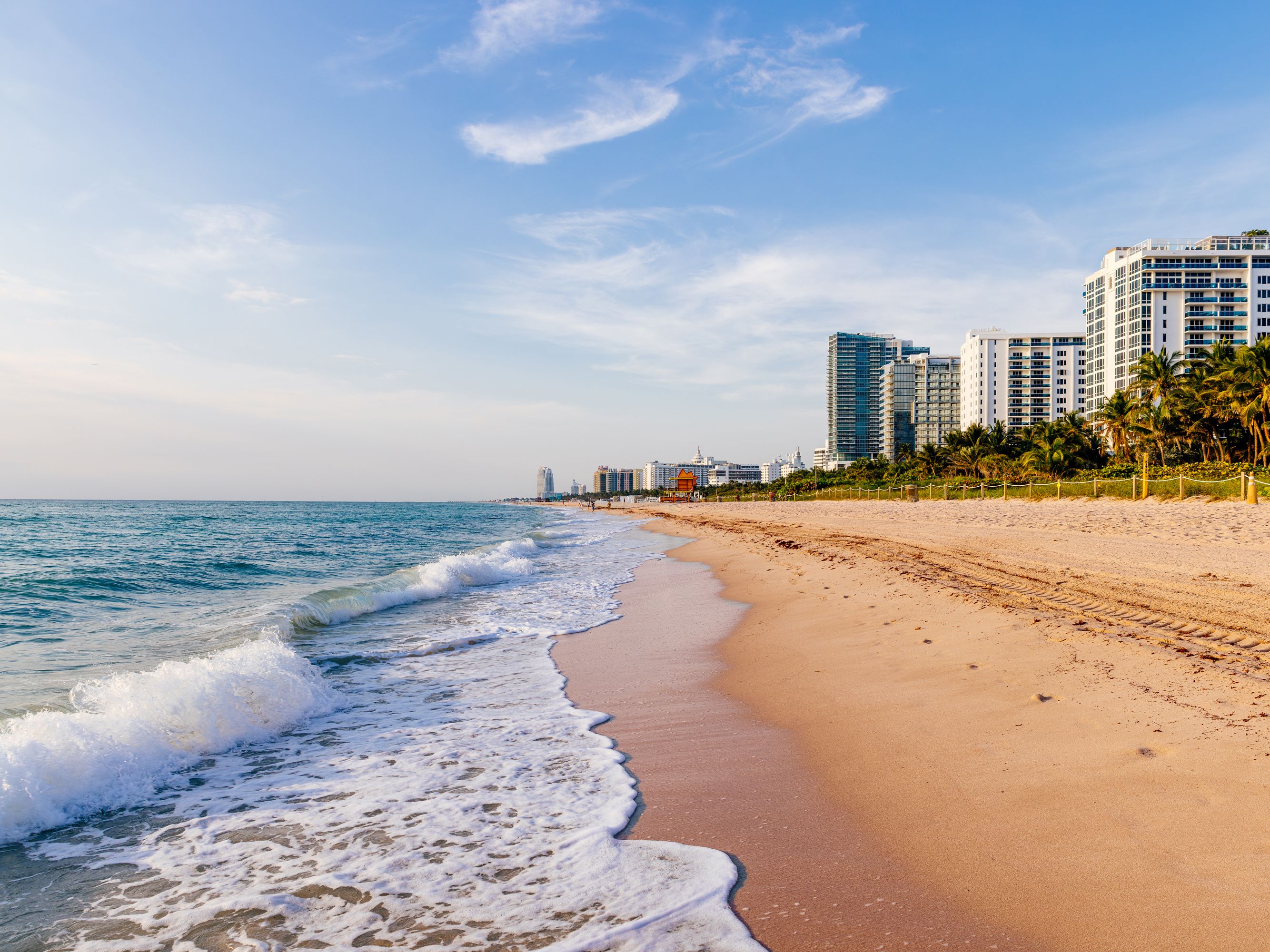
Some jurisdictions require drivers to watch a brief safety video or pass a short quiz before issuing a permit. This step ensures you understand critical rules like yielding to pedestrians, avoiding wildlife, and maintaining safe distances from other vehicles. Keep the confirmation receipt if digital verification is required upon arrival.

Purchase your permit online or at a local vendor. Fees are typically charged weekly or annually, with annual passes offering better value for frequent visitors. Ensure you pay for the correct duration and vehicle type to avoid fines during routine checks by park rangers or law enforcement.

Once received, affix the permit sticker or decal to your vehicle in the designated location, usually the windshield or side window. A visible permit allows officials to quickly verify your authorization. Failure to display the permit correctly can result in citations, even if you have paid for it.
Always carry a copy of your permit and any required inspection documents in the vehicle. Regulations can change seasonally or due to environmental concerns, so checking for updates before your trip is essential for a smooth and legal beach driving experience.
Prepare your vehicle for sand
Driving on soft sand requires specific mechanical adjustments to maintain traction and prevent getting stuck. Before you leave the parking lot, lower your tire pressure to increase the contact patch, engage four-wheel drive for better power distribution, and verify your ground clearance is sufficient for the terrain.
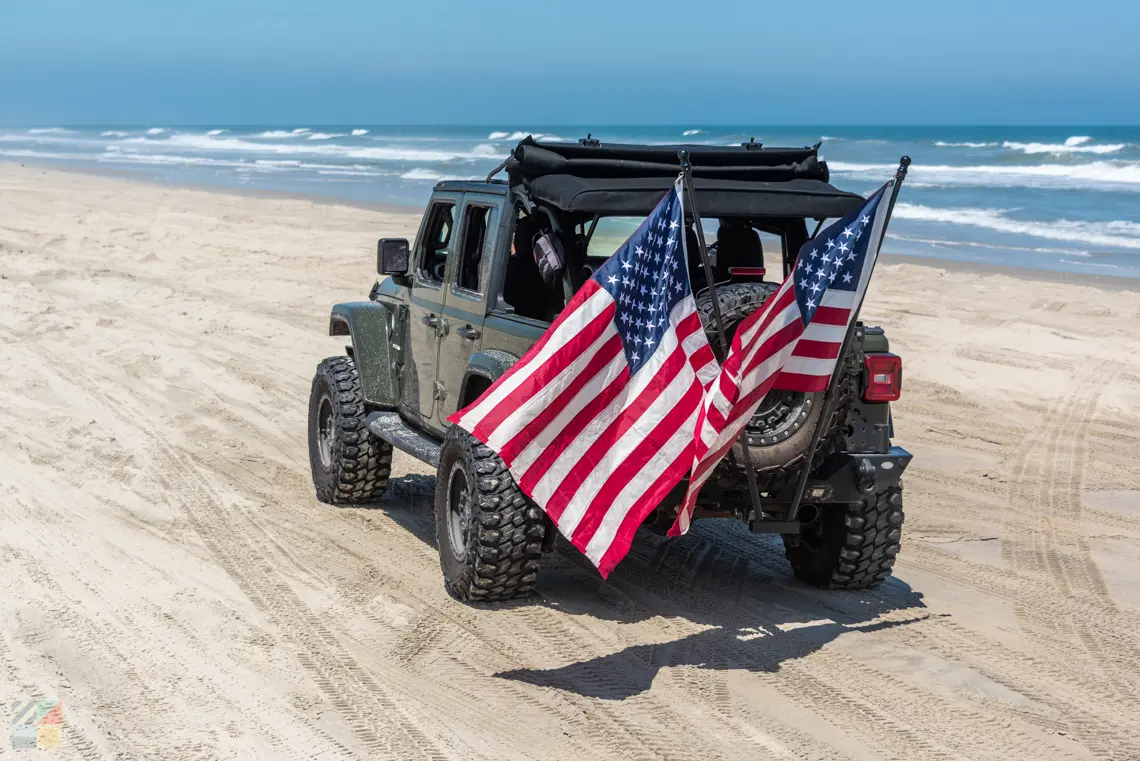
Deflate your tires to between 15 and 20 psi. This expands the tire footprint, allowing the vehicle to float on top of the sand rather than digging in. Use a reliable gauge to check pressure, and carry an air compressor to reinflate them before returning to paved roads.

Shift into 4WD Low for maximum torque and control in deep or wet sand. If the sand is firm and dry, 4WD High may suffice. Avoid All-Wheel Drive (AWD) systems if possible, as they are not designed for the sustained slip and heat generated by off-road driving and can overheat quickly.
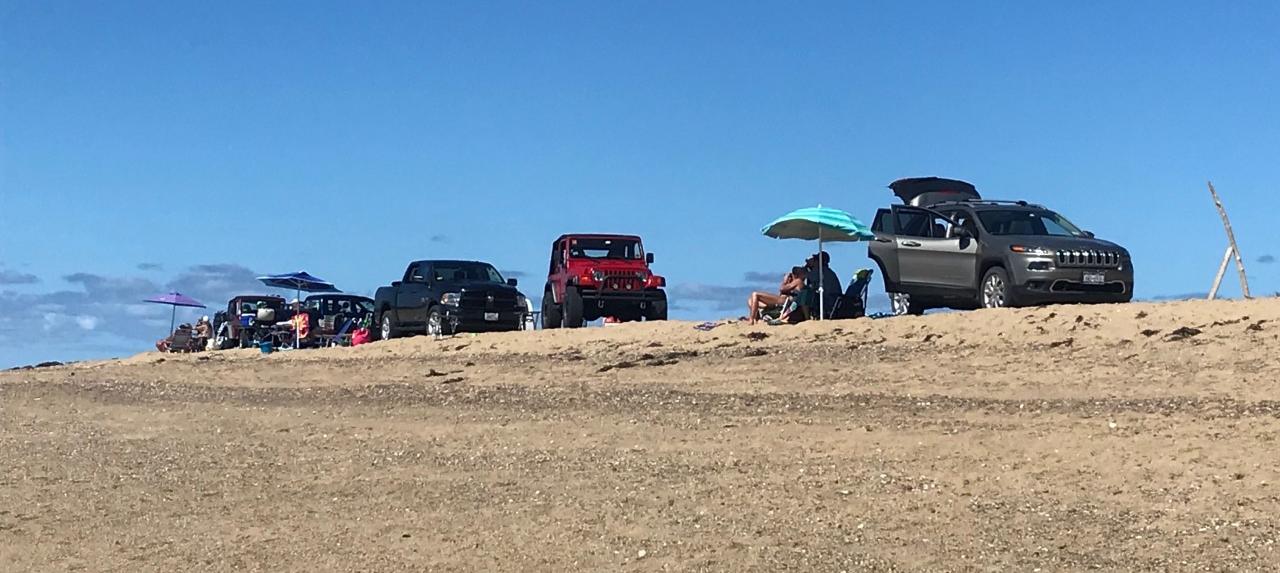
Ensure your vehicle has at least 8 to 10 inches of ground clearance to avoid high-centering on dunes or ruts. Remove any loose underbody shields or snorkels that might snag. If driving in a National Seashore or Park, adhere strictly to designated trails and speed limits, typically capped at 15 mph to protect the ecosystem.
Drive safely on the beach
Sand changes how your vehicle interacts with the ground. The surface is loose, shifting, and offers far less traction than pavement. To stay safe and avoid getting stuck, you need to adjust your speed, tire pressure, and steering inputs. These techniques apply whether you are driving on a permitted national seashore or a private beach access point.
Deflate tires for better traction
Lowering your tire pressure is the single most effective way to improve grip on soft sand. By reducing pressure to around 15-20 psi, you increase the tire's footprint, allowing it to float on top of the sand rather than digging in. This technique is standard practice for off-road enthusiasts and is often recommended by park services for beach driving. Always check your pressure before entering the sand and reinflate before returning to hard surfaces.
Bring a reliable air compressor and a pressure gauge. Lower each tire to the recommended psi for sand driving, typically between 15 and 20 psi. Ensure you have a way to reinflate them later, as driving on pavement with low pressure is dangerous and damages your tires.
Maintain steady momentum
Stopping on soft sand can be difficult. Once you lose momentum, it is easy to get bogged down. Keep a steady, moderate speed throughout your drive. Avoid sudden acceleration or braking, which can cause your wheels to spin and dig into the sand. If you feel your vehicle slowing down, gently apply more throttle to maintain forward motion without spinning the wheels excessively.
Drive at a pace that allows you to maintain momentum without racing. This is often slower than you might expect. If you encounter a soft spot, do not slam on the brakes. Instead, ease off the accelerator and let the vehicle coast through the dip before gently accelerating again.
Obey local speed limits
Speed limits on beaches are strict for safety reasons. In Duck, North Carolina, the maximum speed is 15 mph. These limits protect pedestrians, wildlife, and other drivers. Exceeding the speed limit not only risks a heavy fine but also reduces your ability to react to sudden hazards like hidden holes or wildlife. Always check local regulations before you drive.
In areas like Duck, NC, § 94.06 explicitly prohibits operating a vehicle at speeds exceeding 15 mph. Even if the beach seems empty and the sand is firm, respect this limit. It ensures that you have enough time to stop for pedestrians, cyclists, or animals that may cross your path unexpectedly.
Steer gently and avoid sharp turns
Sharp turns can cause your vehicle to slide or get stuck. Use smooth, gradual steering inputs to change direction. If you need to turn, do so at a slow speed. Wide, gentle arcs are safer and more effective than tight turns. This is especially important in wet sand or near the waterline, where the surface can be slippery and unpredictable.
Plan your route to avoid unnecessary turns. When you must change direction, slow down first. Turn the steering wheel gradually to keep the tires rolling smoothly over the sand. Avoid jerky movements that can upset the vehicle's balance or cause loss of traction.
Watch for soft spots and tides
Not all sand is created equal. Some areas, especially near the dunes or waterline, can be much softer or wetter than others. Be alert for changes in sand color or texture, which may indicate a soft spot or a hidden hole. Additionally, be aware of the tide schedule. Driving too close to the water can result in your vehicle being trapped by rising tides.
Look for darker patches of sand, which often indicate wetness or softness. Avoid driving near the waterline unless you are certain the tide is going out. If you see footprints or other tire tracks, follow them only if they look firm and well-established. When in doubt, stick to the firmer, drier sand further up the beach.
Avoid common beach driving mistakes
Driving on the beach requires specific techniques to prevent getting stuck or violating local ordinances. The most frequent error is failing to adjust tire pressure. High pressure causes tires to float on top of the sand rather than biting into it, leading to rapid sinking. Lowering pressure to 15–20 psi increases the tire’s footprint, distributing weight more evenly and significantly improving traction.
Ignoring speed limits is another costly mistake. Most coastal zones enforce a strict 15 mph speed limit to protect wildlife and ensure pedestrian safety. Exceeding this limit not only risks heavy fines but also reduces your ability to react to sudden changes in sand density or hidden obstacles. Always check for posted signage upon entry.
Driving on wet, hard-packed sand near the waterline is often safer than venturing onto dry, loose dunes. Wet sand offers better support, while dry sand can be deceptively soft and prone to causing vehicles to bog down. If you do venture inland, avoid driving over vegetation, which stabilizes the dunes and is protected by law in many jurisdictions.

Final Pre-Drive Checklist
Before you leave the parking lot, verify your permit and vehicle setup. Local ordinances are strict, and penalties for non-compliance can be steep. In the Outer Banks, the speed limit is capped at 15 mph, and only four-wheel drive vehicles with a valid town sticker are permitted on the sand.
Use this checklist to ensure you meet all safety and legal requirements before entering the water.
-
Verify your beach driving permit or sticker is displayed prominently
-
Check tire pressure (typically 15-20 psi for sand traction)
-
Ensure four-wheel drive is engaged and functioning
-
Review tide charts to avoid high-tide closures
-
Confirm vehicle inspection stickers are current
Frequently asked: what to check next
Do you need 4-wheel drive to drive on the beach?
Four-wheel drive is highly recommended for beach driving, especially on islands with soft sand areas. Two-wheel drive and all-wheel drive vehicles are more easily stuck in these conditions. Even with 4WD, it is advisable to lower tire pressure to 20 psi or lower to increase traction and reduce the risk of getting stranded.
What are the speed limits on the beach?
Speed limits on the beach are typically strict, often set at 15 mph or lower. These limits are enforced to ensure the safety of pedestrians, wildlife, and other drivers. Always check local signage for specific speed restrictions in your area, as they can vary by location and season.
When is beach driving allowed?
Beach driving regulations vary by location and season. For example, in the Outer Banks, driving is allowed year-round on Hatteras Island, but only from October 1 to April 30 in Nags Head and Kill Devil Hills. Always verify the specific dates and permits required for your destination before heading to the beach.
No comments yet. Be the first to share your thoughts!