

Check permit requirements before you go
Beach driving is rarely an open invitation; it is a regulated privilege that varies by county, state, and season. Before you pack your gear, you must verify the specific legal requirements for your destination. Driving on the beach without the proper authorization can result in heavy fines, vehicle impoundment, or immediate eviction from the area.
The primary barrier to entry is almost always a permit or fee. Jurisdictions like the Outer Banks in North Carolina require drivers to purchase a weekly or annual pass. These permits often come with educational prerequisites, such as watching a mandatory video on safe driving techniques. Other locations may issue daily passes or require a specific vehicle inspection to ensure your tires and exhaust meet environmental and safety standards.
Permit structures differ based on vehicle type and usage. Some areas distinguish between personal recreational use and commercial operations, charging higher fees for the latter. Seasonal restrictions are also common; many beaches close to vehicles during nesting season for sea turtles or shorebirds, typically from spring through early fall. Always check the current year’s regulations, as dates and fees are subject to change.
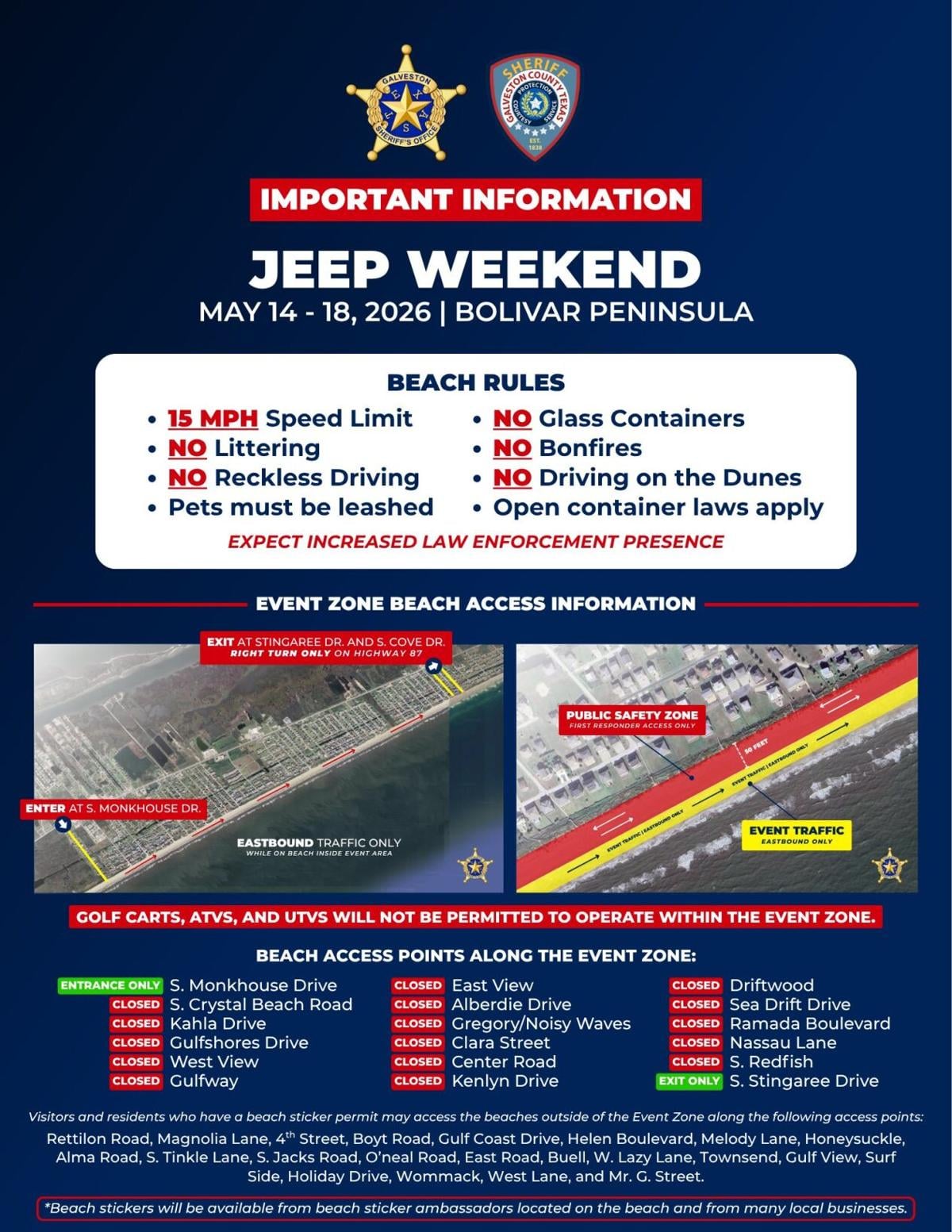
Speed limits are another critical component of beach driving regulations. In many jurisdictions, such as Duck, North Carolina, the speed limit on the beach is strictly capped at 15 mph. This low limit is designed to protect pedestrians, wildlife, and the integrity of the beach surface. Exceeding these limits is a common citation and can lead to additional penalties beyond just the speeding ticket.
To navigate this successfully, start by identifying the specific beach management authority. Visit their official website to find the "Beach Driving" or "Off-Road Vehicle" section. Look for current permit applications, fee schedules, and any seasonal closures. If the information is unclear, call the local parks department or sheriff’s office directly. Do not rely on outdated blogs or social media posts from previous years, as regulations can shift significantly from one season to the next.
Once you have secured your permit, keep it visible in your vehicle as instructed. Some areas require the permit to be displayed on the dashboard, while others require a digital copy on your phone. Failure to display proof of permit can result in the same penalties as driving without one. By taking the time to check these requirements upfront, you ensure a legal and stress-free beach driving experience.
Prepare your vehicle for sand driving
Driving on sand is not like driving on pavement. The surface is loose, shifting, and offers little traction, which means your vehicle needs specific adjustments to move safely. Skipping these preparations is the most common reason drivers get stuck, requiring expensive recovery or towing services.
Lower your tire pressure
This is the single most important step for beach driving. Lowering your tire pressure increases the tire's footprint, allowing it to float on top of the sand rather than digging in. For most standard SUVs and trucks, dropping pressure to between 15 and 20 psi is ideal.
You do not need 4-wheel drive to drive on the beach, though it helps. Two-wheel drive vehicles can manage soft sand if the tires are properly aired down. However, all-wheel drive (AWD) systems are often less effective in deep sand because they can struggle to distribute power to wheels that have lost traction. If you have a 4-wheel drive vehicle, engage it before you enter the sand.
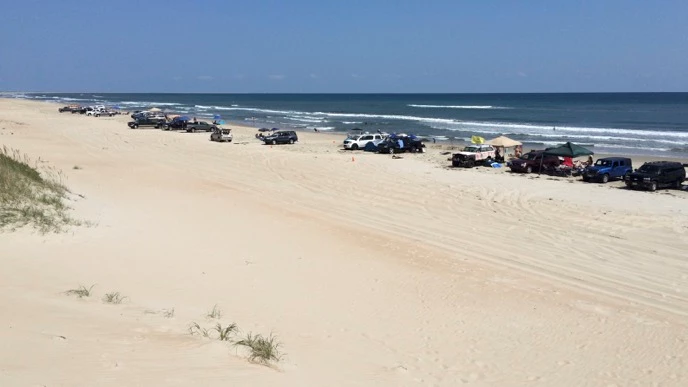
Use a reliable digital tire pressure gauge to check your current PSI. Use a portable air compressor to release air until you reach your target range (15-20 psi). Do not rely on feel; under-inflation can cause bead separation, and over-inflation will cause you to bounce and lose control.
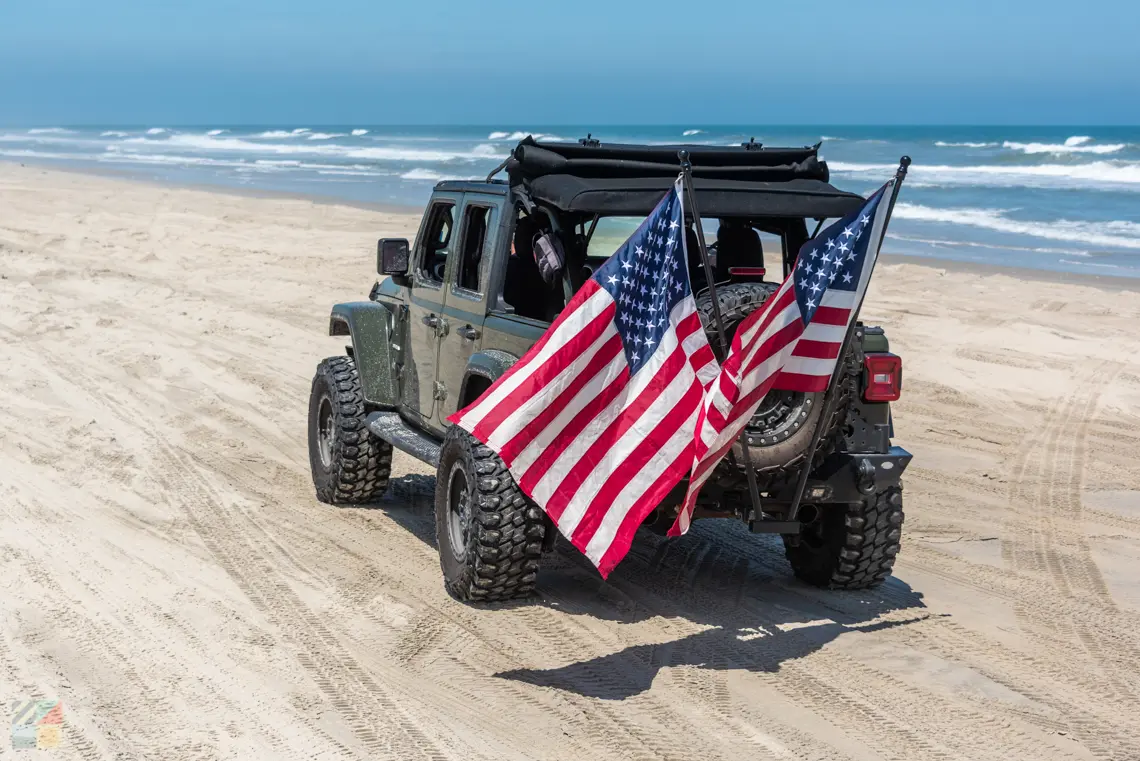
Before you drive, ensure you have a shovel, traction boards (like Maxtrax or Tred Lights), and a tow strap. Keep these items accessible, not buried in the trunk. If you get high-centered, you will need to dig out the sand from under your skid plates quickly.
Sand can clog air filters and radiators. Check that your air intake is clear and that your radiator fins are not packed with sand from previous drives. Also, ensure all lights are working; sandstorms or mist can reduce visibility significantly, and you need to be seen by other drivers and lifeguards.
Maintain steady momentum
Once you are ready, drive slowly but with consistent momentum. Do not stop on soft sand unless absolutely necessary. If you must stop, try to do so on firmer, wetter sand near the tide line. Accelerate gently; sudden throttle inputs will spin your tires and dig you in deeper.
Always drive parallel to the shoreline when possible, as the wet sand near the water offers more traction than the dry, loose dunes. Be aware of local speed limits, which are often strictly enforced (typically 15-25 mph) to protect wildlife and other beachgoers. Always check specific permit requirements for the beach you are visiting, as rules vary by location and season.
Follow speed and lane discipline rules
Beach driving requires strict adherence to speed limits and designated zones to protect both pedestrians and fragile dune ecosystems. Unlike paved roads, sand offers significantly less traction and braking power, making lower speeds essential for safety. In North Carolina, for example, vehicles must not exceed 15 mph on the beach, a rule enforced to ensure the safety of beachgoers and wildlife.
Staying within the correct driving lane is just as important as controlling your speed. Always drive below the high tide line whenever possible. Avoid driving on the upper beach or over any dunes and beach vegetation. If conditions force you above the high tide line, stick to established tracks and avoid creating new paths that can damage the dune structure.
Be mindful of pedestrian traffic. Shelters, umbrellas, and beachgoers often occupy the same space as vehicles. Slow down when approaching crowds, and always yield to pedestrians. If you are unsure about the specific regulations for your location, check local municipal codes or park signs before you start your engine.
Avoid common sand driving mistakes
Driving on the beach offers unique freedom, but the sand is unforgiving. One wrong move can leave your vehicle stranded or damage protected ecosystems. By understanding the physical properties of sand and following local regulations, you can prevent costly recovery situations and environmental violations.
Don't drive on dunes or vegetation
Dunes are fragile barriers that protect inland areas from storm surges and erosion. Driving over them crushes the vegetation that holds the sand in place, leading to long-term coastal degradation. In many jurisdictions, such as Florida, driving on upper beaches or over dunes is strictly prohibited and can result in significant fines. Always stick to the compacted sand near the water line unless specific permits allow access to other areas.
Avoid sudden braking or hard turns
Sand acts like a liquid when disturbed. Sudden braking causes your tires to dig in, trapping your vehicle. Instead, maintain a steady, moderate speed. If you feel your vehicle slowing down, ease off the accelerator rather than hitting the brakes. Sharp turns also increase the risk of rolling over or getting stuck. Make wide, gradual turns to keep momentum and traction.
Check tire pressure before heading out
Proper tire inflation is critical for beach driving. Lowering your tire pressure to around 20 psi increases the tire's footprint, allowing it to float on top of the sand rather than sinking. This simple adjustment can mean the difference between a smooth drive and a recovery tow. Remember to reinflate your tires before driving on pavement to prevent blowouts.
Watch a quick beach driving safety demo
Visualizing the technique helps more than reading about it. The WFMY News 2 guide demonstrates the specific handling required for soft sand, particularly how to maintain momentum without spinning your tires. This video reinforces the importance of lowering tire pressure to around 20 psi to increase your footprint and traction.
The demonstration highlights why four-wheel drive is highly recommended. Two-wheel drive and all-wheel drive vehicles get stuck easily in soft sand. Even with four-wheel drive, you must adjust your driving style to match the changing density of the beach surface.
Review your beach driving checklist
Before you cross the dune line, verify that your paperwork, vehicle, and gear are ready for the sand. A missed permit or low tire pressure can turn a fun drive into a tow truck bill.
Documents and Permits
Ensure you have a current driver’s license, valid vehicle registration, and proof of insurance. Most coastal jurisdictions require a specific beach driving permit, which often involves a short video training course and a weekly or annual fee. Some areas, like those managed by the National Park Service, have strict seasonal access windows, so check the specific dates for your location.

Vehicle and Safety Gear
Lower your tire pressure to 20 psi or less for better traction, and carry a tire inflator to reinflate before hitting the pavement. Four-wheel drive is highly recommended for soft sand, though two-wheel drive vehicles can manage if driven carefully. Always pack a recovery kit, including a shovel, traction boards, and a tow strap. Keep your speed under 15 mph in most regulated zones to protect the ecosystem and ensure pedestrian safety.
Frequently asked questions about beach driving
Beach driving regulations vary significantly by location, and understanding the specific requirements for your destination is essential before you hit the sand. Below are answers to the most common questions regarding legality, vehicle setup, and permits.
No comments yet. Be the first to share your thoughts!