

Get beach driving regulations right
Before you turn the wheel onto the sand, you need to verify that your vehicle and your permit are in order. Beach driving regulations vary wildly by location and season, and ignoring them can result in hefty fines or a tow. Treat this as your pre-drive checklist.
First, confirm the dates. In places like the Outer Banks, driving is allowed year-round on Hatteras Island but restricted to October through April in Nags Head and Kill Devil Hills to protect nesting birds. Similarly, East Hampton, NY, enforces strict ordinances with fines starting at $250 for violations in protected areas. Always check the local town or county website for the current season’s window.
Second, ensure your vehicle is suitable. You need at least 7.5 inches of ground clearance to avoid getting high-centered on soft sand. Four-wheel drive or all-wheel drive is highly recommended, as two-wheel-drive cars often struggle in deep, loose sand. Lowering your tire pressure is a common technique to increase traction, but do this only after you’ve reached the beach and before you start driving.
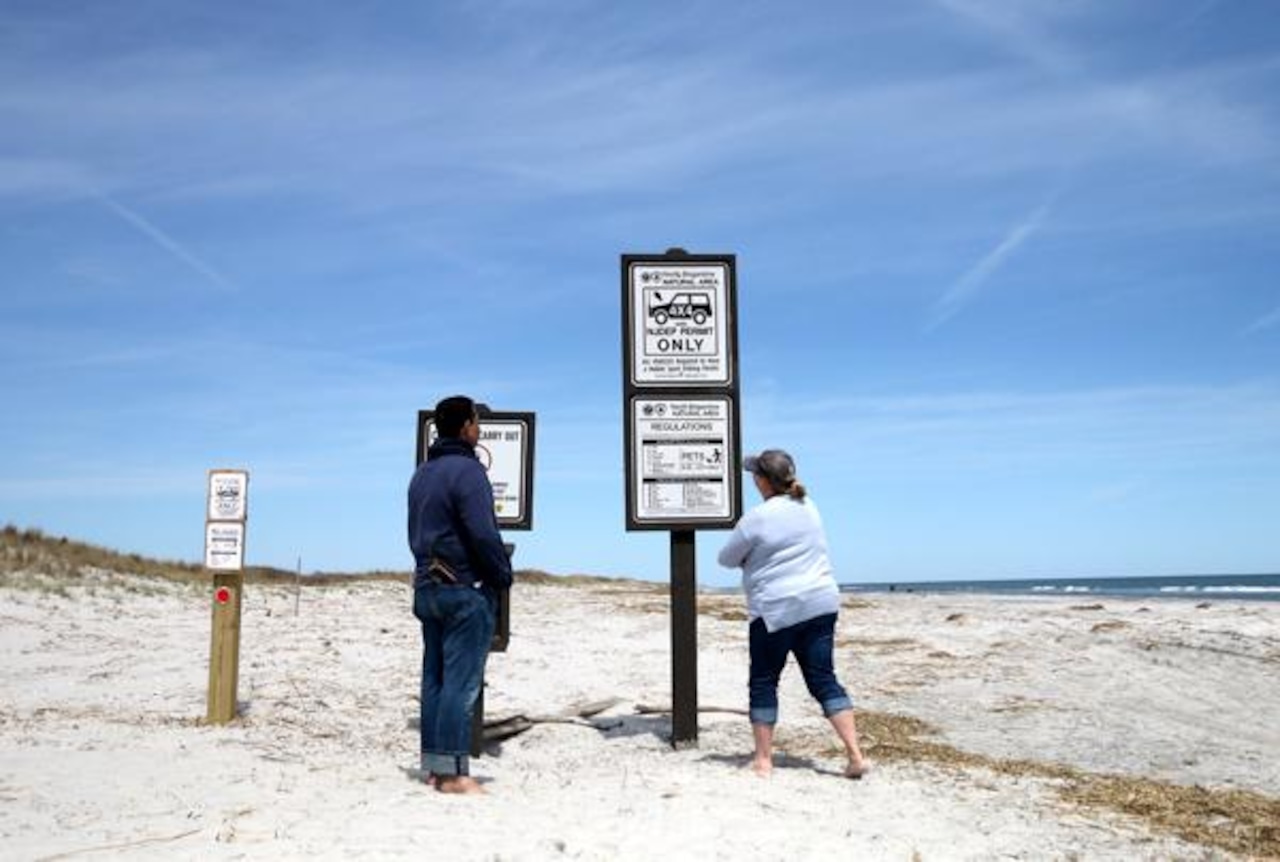
Finally, secure the proper permit. Many coastal towns require a daily or seasonal beach driving pass. These are often sold online or at local kiosks. Driving without one is a common mistake that leads to citations. Keep your permit visible on your dashboard so rangers can verify it easily.
Work through the steps
Beach Driving Regulations works best as a clear sequence: define the constraint, compare the realistic options, test the tradeoff, and choose the path with the fewest hidden costs. That order keeps the advice usable instead of decorative. After each step, pause long enough to check whether the recommendation still fits the reader's actual situation. If it depends on perfect timing, unusual access, or a best-case budget, include a simpler fallback.
Fix common beach driving mistakes
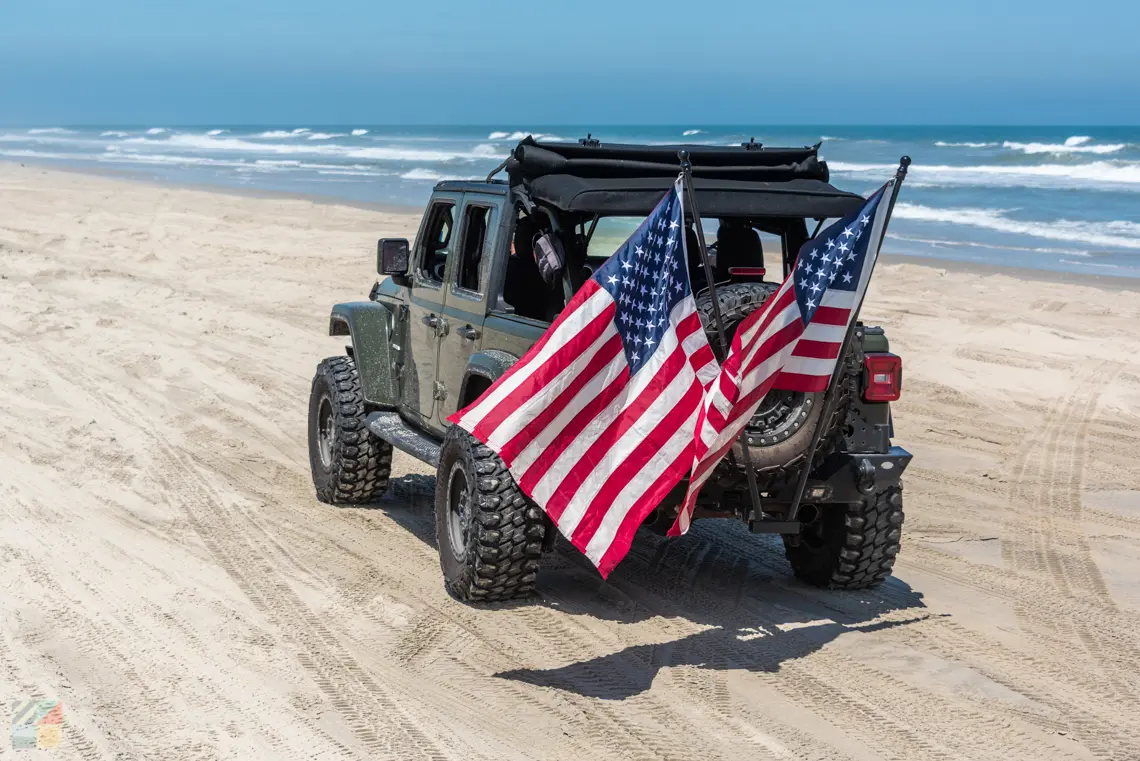
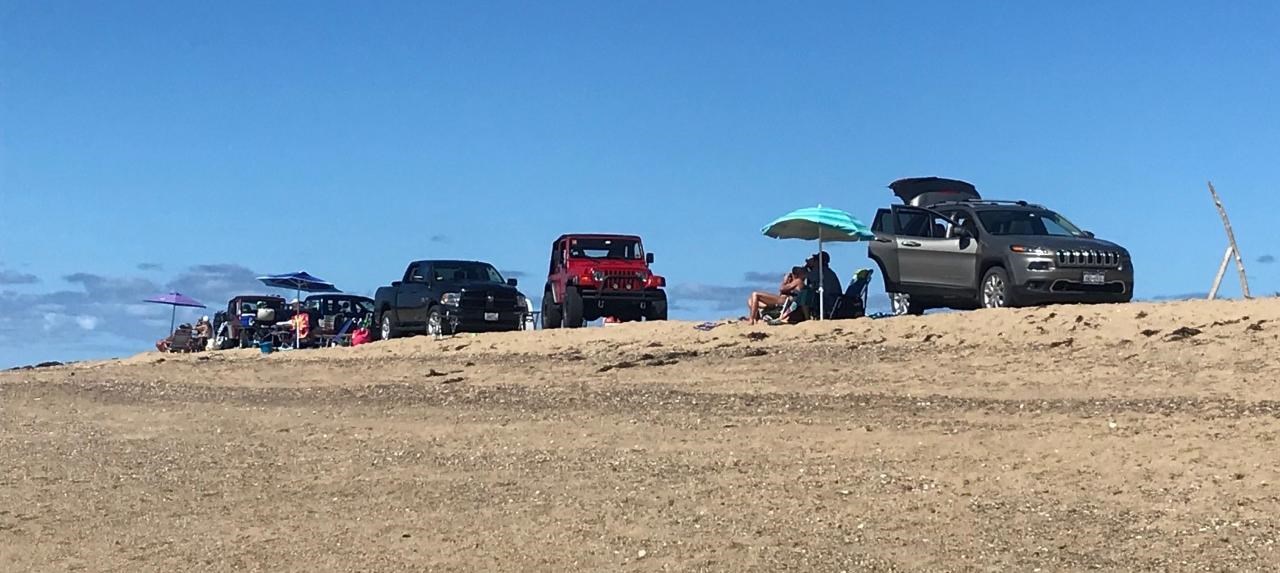
Beach driving looks easy until you are stuck in soft sand at high tide. Most recoveries cost hundreds of dollars in towing and fines. These errors cause the most trouble for drivers who skip the basics.
Ignoring permit rules and seasonal restrictions
Many drivers assume a standard vehicle registration covers beach access. It does not. Local authorities issue specific permits that often change dates and prices each year. Driving without a valid permit or during a closed season—usually for sea turtle nesting—can result in heavy fines. Check the current regulations before you leave home.
Driving in the wrong zone
You might think the water is the best place to drive for the view. It is the worst place for your tires. The wet sand near the tide line is loose and unstable. Stick to the compacted sand between the high tide mark and the dunes. This area is firm enough to support your vehicle. Follow existing tire tracks to stay on safe ground.
Keeping tires at street pressure
Driving on sand with 32 psi is like trying to run on snow with winter tires. The tires dig in and trap the vehicle. Deflating your tires increases the contact patch, allowing the vehicle to float on top of the sand. Most drivers forget to re-inflate immediately after leaving the beach, which damages the tires on pavement.
No comments yet. Be the first to share your thoughts!