

Check local permits first
Beach driving is not universally legal. Rules change based on county, season, and specific shoreline zones. Before you load your rig, verify the exact regulations for your destination. Driving without a permit can result in heavy fines or vehicle impoundment.
Permit requirements vary significantly by location. In St. Johns County, Florida, beach driving passes are mandatory from March 1 through September 30. You must purchase these passes at designated toll booth locations before entering the sand [src-serp-2]. Conversely, Washington State law prohibits vehicle operation on the landward side of the driveable beach, limiting access to specific tidal zones [src-serp-3].
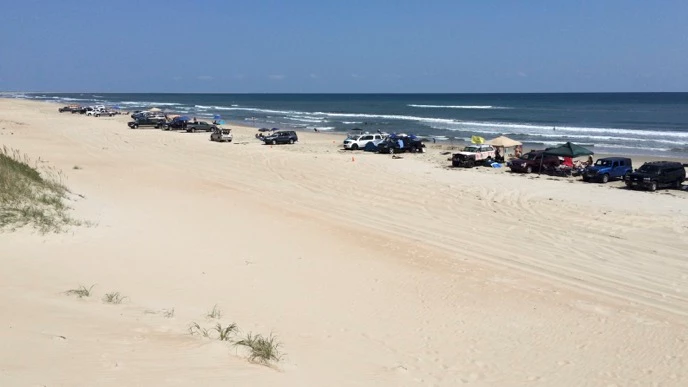
Other areas offer year-round access with restrictions. The Outer Banks in North Carolina allows driving on Hatteras Island throughout the year, while seasonal permits apply in Nags Head and Kill Devil Hills from October 1 to April 30 [src-serp-1]. Always check the official county or state park website for the most current regulations before you arrive.
Plan your route around these legal boundaries. Entering a restricted zone is not just a ticketing issue; it risks damaging sensitive dune ecosystems. Confirm your permit type, expiration date, and designated driving corridors before leaving home.
Prepare your vehicle for sand
Driving on loose sand requires a fundamental change in how your vehicle interacts with the ground. Standard tire pressure is designed for pavement, not the shifting surface of a beach. If you do not adjust your setup before hitting the dunes, you risk getting high-centered or stuck in soft spots. The two most critical mechanical adjustments are lowering your tire pressure and engaging the correct drive mode.
Lower tire pressure for better traction
The most important step is to air down your tires. Lower pressure increases the tire's footprint, allowing it to float on top of the sand rather than digging in. This provides the grip necessary to accelerate and steer effectively.
Most coastal jurisdictions, such as Currituck County, recommend specific pressure ranges for beach driving:
- SUVs and ½ ton 4x4s: 20 PSI
- ¾ ton 4x4s: 35 PSI
Always adjust your tires when they are cold. Use a reliable gauge to check the pressure before you depart. If you wait until you are already on the beach, the heat from driving will raise the pressure, giving you inaccurate readings. Bring an air compressor to the beach so you can reinflate your tires before leaving the sand.
Engage four-wheel drive correctly
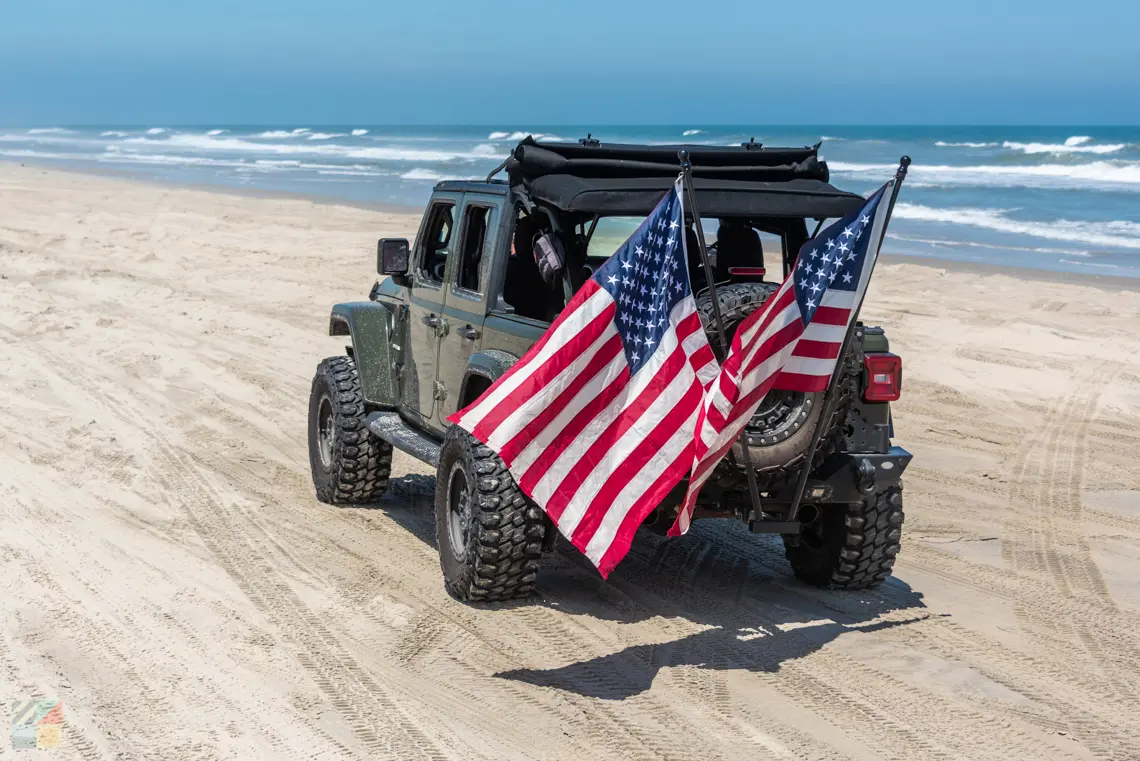
Once your tires are aired down, you must engage your vehicle's four-wheel drive system. Do not drive on sand in two-wheel drive; the wheels will spin rapidly, digging a hole and leaving you stranded.
Shift into 4WD Low for maximum torque and control. This setting allows you to maintain a slow, steady speed without stalling or losing momentum. If your vehicle does not have a low range, 4WD High is the minimum requirement for soft sand. Avoid using "Auto" or "Snow" modes, as these may not lock the front and rear axles together effectively.
Use a digital gauge to check your cold tire pressure. Compare the reading against local regulations, typically 20 PSI for SUVs and 35 PSI for heavier trucks.
Release air from each tire until you reach the target PSI. Do not rely on feel; use a gauge to ensure all four tires are at the same pressure for balanced handling.
Shift your transfer case into 4WD Low before entering the sand. This provides the low-speed torque needed to maintain momentum without spinning your wheels.
Follow sand driving techniques
Momentum is the only thing standing between a smooth ride and a tow truck bill. Driving on soft sand requires a shift in mindset from pavement driving. You are no longer fighting friction; you are riding on top of a shifting surface. The goal is to maintain steady speed without digging in.
Air down and select the right line
Before you start the engine, ensure your tires are at the correct pressure, typically between 15 and 20 PSI. This increases the tire's footprint, allowing it to float rather than sink. When driving, look ahead for the firmest path. Avoid the wet sand near the waterline if it is too soft, but also avoid the dry dunes which can be abrasive. Aim for the middle ground where the sand is packed but not hard.
Maintain steady throttle control
Keep your foot steady on the accelerator. Jerky movements cause wheels to spin and dig in immediately. If you feel the vehicle slowing down, apply gentle, consistent pressure. Do not slam the gas. If you start to slide, ease off the throttle slightly to regain traction. Smooth inputs are critical. Sudden steering or braking will break the vehicle's momentum and leave you stuck.
Recover if you get stuck
If you do get stuck, stop spinning the wheels immediately. Spinning only digs the hole deeper. Back up slowly in a straight line to break free. If that fails, dig out the sand from around the tires and place traction mats or boards under the drive wheels. Avoid rocking the vehicle back and forth aggressively, as this can damage the transmission or differential.
Respect wildlife and nesting zones
Beach driving regulations prioritize the protection of nesting wildlife, particularly sea turtles and shorebirds. In many jurisdictions, driving is strictly prohibited on the majority of nesting beaches in the southeastern United States and other sensitive coastal areas by law or management plan. You must identify and avoid these restricted zones to prevent legal penalties and ecological harm.
The legal consequences for disturbing nesting areas are severe. If you break any beach driving laws in a protected nesting area, you are subject to a fine of not less than $250, and as much as several thousand dollars depending on the severity. In some cases, authorities may also impound your vehicle.
To stay compliant, look for posted signs, orange netting, or sand fencing that marks active nests. These markers indicate that the area is off-limits to vehicles. If you encounter a nesting animal or a marked nest, stop immediately and move your vehicle to a designated driving lane or public access point. Never drive through or around protective barriers, as this can crush eggs or disorient hatchlings. Always check local ordinances before entering the beach, as rules vary by municipality and season.
Clean up after your drive
Leaving the beach isn’t just about packing up your gear; it’s about leaving the environment exactly as you found it. Sand is abrasive and corrosive. If you skip the cleanup, you risk damaging your vehicle’s undercarriage and harming the local ecosystem. Treat the final stage of your beach trip with the same care as the drive itself.
Start by picking up every piece of trash you generated. This includes food wrappers, empty water bottles, and cigarette butts. Many coastal jurisdictions impose heavy fines for littering, and it’s a basic safety requirement to keep the beach habitable for wildlife and other visitors. Do not leave anything behind.
Once the trash is gone, rinse your vehicle thoroughly. Focus on the undercarriage, wheel wells, and brake assemblies. Saltwater accelerates rust, and wet sand can grind into brake pads, causing premature wear or even failure. A quick hose-down at a nearby beach access station or car wash prevents long-term mechanical issues.
Before you head home, do a final walk-around check. Ensure no personal items are left in the sand or on your roof rack. A quick scan takes seconds but saves hours of panic later.
-
Remove all trash and recyclables from the vehicle and beach area.
-
Rinse undercarriage, wheel wells, and brakes to remove salt and sand.
-
Inspect for personal items or gear left behind on the sand.
-
Dry vehicle exterior to prevent water spots and rust formation.
Common beach driving: what to check next
Before heading to the sand, verify local permit requirements and speed limits. Regulations vary by county and season, so relying on general advice can lead to fines.
Do I need a permit to drive on the beach?
Most coastal counties require a specific beach driving pass during peak seasons. For example, St. Johns County mandates annual or daily passes from March 1 through September 30. You can purchase these at designated toll booth locations or online portals before arrival.
What is the speed limit on the beach?
Beach driving areas often function as state highways, meaning standard licensing and registration rules apply. The maximum speed limit is typically 25 MPH. Drive slowly to account for soft sand, unexpected wildlife, and other beachgoers.
Can I drive a side-by-side or UTV on the beach?
Yes, but only if it meets local registration and safety requirements. Many jurisdictions treat side-by-sides as highway vehicles, requiring headlights, taillights, and horns. Always check if your specific model is approved for public beach access in that county.
No comments yet. Be the first to share your thoughts!