

Get beach driving regulations right
Use this section to make the Beach Driving Regulations decision easier to compare in real life, not just on paper. Start with the reader's actual constraint, then separate must-have requirements from details that are merely nice to have. A practical choice should survive normal use, maintenance, timing, and budget. If a recommendation only works in an ideal situation, call that out plainly and give the reader a fallback path.
The simplest way to use this section is to write down the must-have criteria first, then compare each option against those criteria before weighing nice-to-have features.
Work through the steps
Beach Driving Regulations works best as a clear sequence: define the constraint, compare the realistic options, test the tradeoff, and choose the path with the fewest hidden costs. That order keeps the advice usable instead of decorative. After each step, pause long enough to check whether the recommendation still fits the reader's actual situation. If it depends on perfect timing, unusual access, or a best-case budget, include a simpler fallback.

Common Beach Driving Mistakes and How to Avoid Them
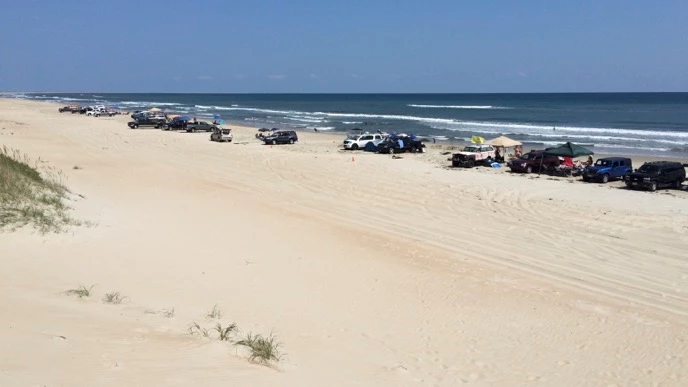
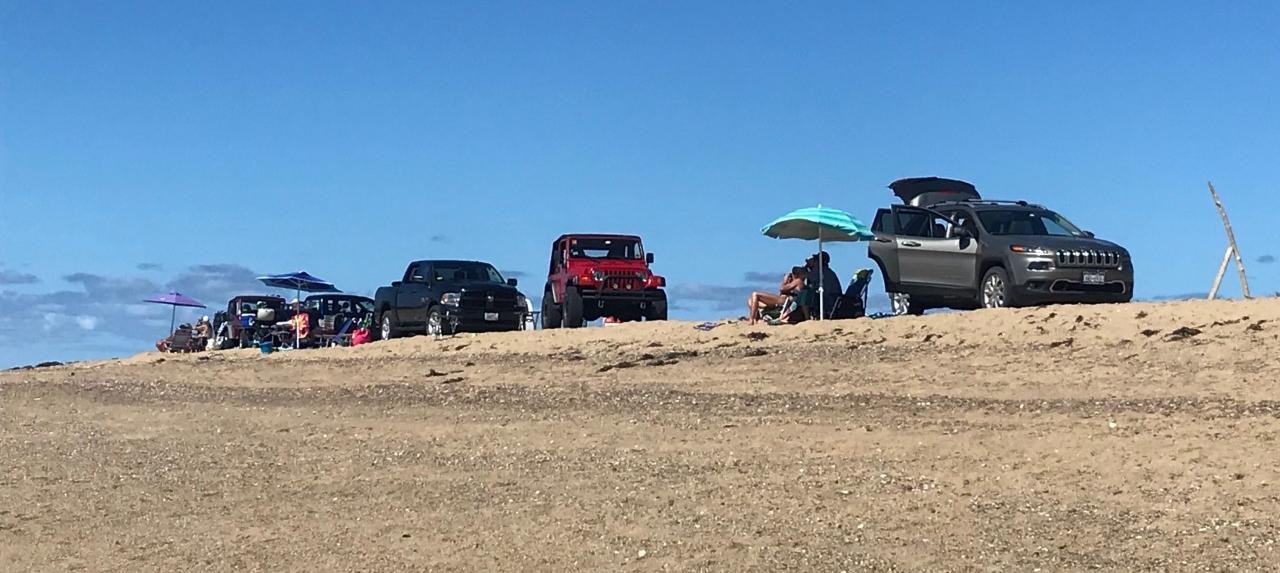
Even with a valid permit and the right vehicle, simple errors can lead to costly fines or getting stuck in the sand. Beach driving requires a different set of habits than regular road driving. The most frequent violations involve ignoring seasonal restrictions and damaging protected wildlife areas.
Driving During Restricted Seasons Many drivers assume beach access is year-round. This is false in many jurisdictions. For example, in Nags Head and Kill Devil Hills, driving is only permitted from October 1 to April 30. Driving outside these dates can result in significant fines and vehicle towing. Always check the specific seasonal calendar for your destination before heading to the shoreline.
Ignoring Tidal Windows Tides dictate where you can safely drive. Driving too close to the water line during high tide can leave your vehicle stranded as the water rises. Conversely, driving too far inland can damage fragile dune systems. Plan your drive around low tide windows and stick to the hard-packed sand between the wet and dry zones.
Damaging Nesting Areas Protected nesting areas for sea turtles and shorebirds are strictly enforced. Driving through marked zones can result in fines of $250 or more. Look for signage indicating protected areas and stay on designated driving lanes. If you see nesting markers, give them a wide berth to ensure the safety of local wildlife.
Over-Inflating Tires Many drivers forget to adjust tire pressure before hitting the sand. Properly deflating your tires increases the surface area, providing better traction and preventing your vehicle from sinking. Aim for 15-20 PSI for most light trucks and SUVs, but always check your vehicle’s specific recommendations.
Beach driving regulations: what to check next
Navigating coastal permits and safety rules requires knowing where you can legally drive and how to prepare your vehicle. Regulations shift based on location and season, so verifying local ordinances before you head out is essential to avoid fines.
Ignoring these regulations can result in steep fines, especially in protected wildlife areas. Ensure your vehicle meets the clearance and tire requirements, and always drive only on the hard-packed sand above the high-tide line.
No comments yet. Be the first to share your thoughts!