

How the 2026 storms changed the coast
If you’re planning a beach driving trip after the 2026 hurricane season, listen up. This wasn't a typical year, and our coastlines have likely changed significantly. It’s not enough to just make sure your vehicle is ready; you need to approach beach driving with a heightened sense of awareness and respect for the power of these storms.
Hurricane Melissa changed the Gulf coast. You'll find washouts at access points and debris everywhere. Sandbars have moved, and some familiar landmarks are just gone. Don't expect the same beach you saw last summer.
These aren't cosmetic changes. The entire beach profile is likely different. What was once a smooth, predictable drive could now be riddled with hidden hazards. Conditions are undoubtedly different than they were before the season began, and assuming otherwise is a dangerous mistake. This is about more than just checking your tire pressure; it’s about understanding the environment you’re entering.
New hazards in the sand
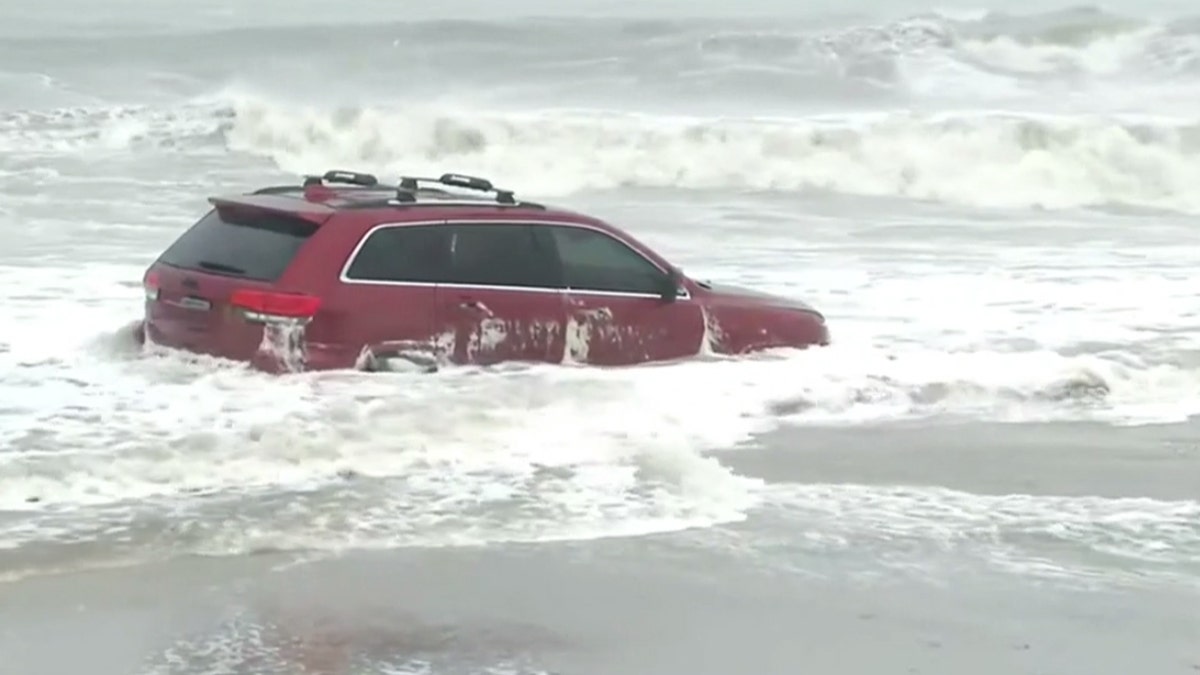
The most insidious hazards after a hurricane aren't always obvious. Newly formed inlets and channels are a major concern. These can appear calm, but they often have surprisingly deep water and strong, unpredictable currents. Attempting to cross one without knowing its depth and flow can quickly lead to a stuck vehicle – or worse.
Sandbars are notoriously dynamic, but storms accelerate their shifting. You might encounter unexpected drop-offs or soft spots that weren’t there before. These areas can trap your vehicle quickly, and attempting to power through can dig you in deeper. Look for areas where the sand appears darker or wetter, as these are often indicators of instability.
Perhaps the most pervasive threat is buried debris. Hurricane forces can carry everything from driftwood and large branches to pieces of buildings and even metal fragments onto the beach. These objects are hidden beneath the sand and can puncture tires, damage undercarriages, or cause serious injury if you encounter them. Drive slowly and be vigilant.
Local Regulations & Access Updates
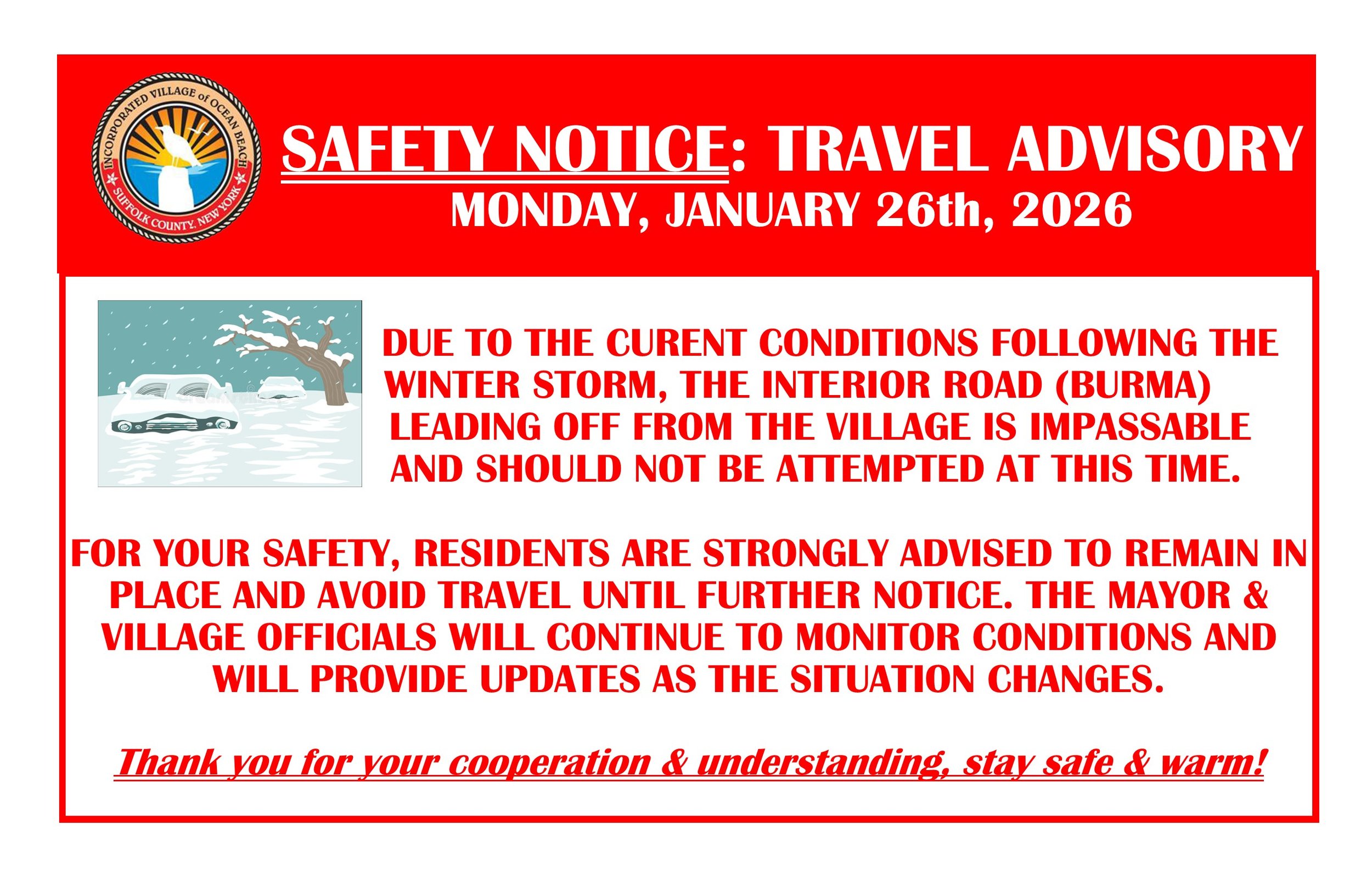
Beach access isn’t guaranteed after a major storm. Access points may be temporarily closed due to damage, or they might have been relocated entirely. Don't assume your usual entry point is still open. You must check with local authorities before heading out.
Resources like the East Hampton Town Beach Driving Guide (ehamptonny.gov) provide valuable information on permitted areas and regulations. Similarly, the National Park Service offers guidance for areas like Fire Island National Seashore (nps.gov). However, these resources may not reflect the most current conditions immediately following a storm.
Permit requirements may have changed, and new restrictions could be in place to protect the recovering coastline. Regulations can change rapidly, so verifying the latest information is essential. Ignoring these rules not only risks a fine, but it also contributes to further environmental damage.
- Check local government sites for closure notices.
- Contact the parks and recreation department.
- Look for posted signs at beach access points.
- Ask local residents for recent updates.
Preparing your truck
Tire pressure adjustment is still critical for beach driving, but preparation extends far beyond that. A thorough undercarriage wash is essential after any exposure to saltwater. Salt and sand are incredibly corrosive and can quickly damage metal components, leading to costly repairs.
Check your oil, coolant, and brake fluid. If a vehicle sat in storm surge, water might have reached the intake or mixed with the oil. It's worth a look before you're miles from a paved road.
Don't forget a quick inspection of belts and hoses. Look for cracks or signs of wear. A failing component on a remote beach is a recipe for disaster. A little preventative maintenance now can save a lot of trouble – and expense – later.
Recovery Gear: What to Bring
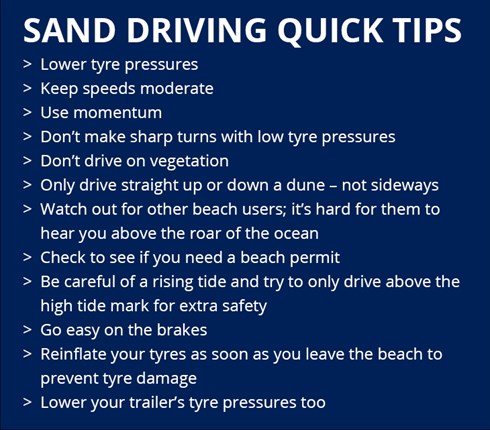
Having the right recovery gear is just as important as knowing how to use it. A shovel, preferably a folding one to save space, is essential for digging your vehicle out of soft sand. A tow strap – not a rope – is needed for pulling, and D-rings provide secure attachment points.
A tire deflator/inflator allows you to adjust tire pressure on the fly, which is crucial for navigating different sand conditions. If you plan on driving in remote areas, consider a winch. It provides a powerful self-recovery option, but it requires proper training and installation.
Don't just throw these tools in your vehicle and hope for the best. Practice using them in a safe environment before you need them. Understand the limitations of your gear and your vehicle. Knowing how to properly use a tow strap, for example, can prevent serious injury.
How to read the sand
Before you even put your vehicle in drive, take the time to assess the beach conditions. Look for soft spots, indicated by darker or wetter sand. Avoid areas with excessive seaweed or debris, as these often conceal hidden obstacles.
Pay attention to the wave action. Are there strong currents or rip tides? Is the shoreline receding rapidly? These are all warning signs. Observe the beach for signs of erosion – steep drop-offs or exposed roots can indicate unstable ground.
Use your senses. If something feels off, trust your instincts. Don’t be afraid to turn around and find another route. It’s always better to be cautious than to risk getting stuck or damaging your vehicle.
Emergency Procedures: When Things Go Wrong
If you get stuck, the first thing to do is stay calm. Avoid aggressive acceleration, as this will only dig you in deeper. Gently rock the vehicle back and forth, and try to maintain momentum.
If rocking doesn't work, carefully use your recovery gear. Attach the tow strap to a secure anchor point and gently pull your vehicle free. Be mindful of the strap’s direction and avoid sudden jerks. Remember to use D-rings to distribute the load.
Know your vehicle’s limitations and don’t attempt a recovery that’s beyond your skill level. If you’re unsure, contact emergency services and provide your location as accurately as possible. Cell service can be spotty on beaches, so be prepared to walk to find a signal.

No comments yet. Be the first to share your thoughts!