

Beach Driving: A Quick Start
Driving on the beach offers a unique thrill. The ocean stretches out beside you, the wind blows through your hair, and the waves crash nearby. It’s an experience unlike any other, but it demands respect, preparation, and the right gear. A four-wheel drive vehicle is just the start.
Sand presents different challenges than pavement. Reduced traction, shifting surfaces, and the risk of getting stuck are real concerns. The right gear isn't just for convenience; it's about your safety and your vehicle's.
This guide covers essential gear for safe and enjoyable beach driving, from recovery boards and tire tools to winching systems and communication devices. Hit the sand with confidence.
Recovery Boards: Your First Line of Defense
Recovery boards are arguably the most important beach driving gear. They provide traction when tires sink into sand, creating a temporary path for your vehicle to climb out. They're a must-have, like a spare tire.
Plastic boards are more affordable and lighter, while aluminum boards are more durable and withstand more abuse. Aluminum is a better long-term investment for frequent beach trips, as I learned after snapping a plastic board during a tough recovery.
When choosing recovery boards, look for a length that’s appropriate for your vehicle’s tire size and weight. Longer boards generally provide better leverage. Traction is also key – the more aggressive the tread pattern, the better the grip. MAXTRAX are a popular, well-regarded option, often considered the gold standard, and TRED Pro boards are another solid choice. Expect to pay between $250 and $400 for a quality set.
A common mistake is accelerating too much when using recovery boards. Use gentle, steady pressure. Clear sand from in front of the boards before attempting a recovery. Always follow manufacturer instructions.
- Length: Choose boards appropriate for your tire size.
- Material: Plastic is affordable, aluminum is more durable.
- Traction: Aggressive tread patterns provide better grip.
- Brand: MAXTRAX and TRED Pro are highly rated.
Featured Products

Lightweight and durable construction · Aggressive tread pattern for maximum grip · Bright orange color for high visibility
These highly-rated recovery boards are essential for safely extracting your vehicle from sand and preventing getting stuck on your beach adventures.

EXOTRED composite construction for extreme durability · SIPE-LOCK grip profile for superior traction · Teeth designed for aggressive digging into soft surfaces
These highly-rated recovery boards are essential for safely extracting your vehicle from sand and preventing getting stuck on your beach adventures.

Heavy-duty construction for reliable performance · Includes a durable zipper carry bag and leashes · Mountable design for convenient storage
These highly-rated recovery boards are essential for safely extracting your vehicle from sand and preventing getting stuck on your beach adventures.

Designed for use in sand, snow, and mud · Suitable for 4WD vehicles · Compact and lightweight for portability
These highly-rated recovery boards are essential for safely extracting your vehicle from sand and preventing getting stuck on your beach adventures.

Short design for easier handling and storage · Durable construction to withstand tough conditions · Provides reliable traction on soft surfaces
These highly-rated recovery boards are essential for safely extracting your vehicle from sand and preventing getting stuck on your beach adventures.
As an Amazon Associate I earn from qualifying purchases. Prices may vary.
Tire Deflation & Inflation: The Pressure is On
Deflating tires is essential for beach driving. Lowering tire pressure increases the contact patch, improving traction and preventing you from digging in. This simple adjustment makes a world of difference.
The ideal PSI depends on sand conditions and vehicle weight. For soft sand, aim for 15-18 PSI; for packed sand, 20-25 PSI may suffice. It's always best to err on the side of lower pressure. Driving on the road with deflated tires is dangerous and damaging, so you'll need a way to re-inflate them.
A reliable air compressor is a must-have. Portable 12-volt compressors are readily available and inexpensive. A good tire pressure gauge is equally important for accurate readings; a digital gauge offers precision. Don't skimp on these tools, as a faulty compressor or inaccurate gauge can leave you stranded.
Improperly inflated tires can lead to sidewall damage, overheating, and tire failure. Always check your tire pressure before and after beach driving, and never exceed the maximum pressure listed on the tire sidewall.
- Deflate: Reduce tire pressure to increase contact patch.
- Check PSI: Adjust based on sand conditions (15-25 PSI).
- Compress: Use a 12-volt compressor to re-inflate.
- Gauge: Use a digital gauge for accurate readings.
Winching & Anchor Systems: When Boards Aren't Enough
Sometimes, recovery boards aren't enough. When you're deeply stuck or facing a challenging situation, a winch can be a lifesaver. Winches use a cable to pull your vehicle out of the sand, providing powerful extraction.
Electric winches are more common and less expensive. Hydraulic winches offer more power, often preferred for heavier vehicles. Regardless of type, you'll need accessories like a tree saver strap (to protect trees), a snatch block (to change the pulling angle), and gloves for safety.
Safe winching requires using a dampener blanket on the winch cable to absorb energy if it breaks. Never stand in the direct path of the cable. Inspect your winch and accessories before each use. DIY winching setups can be incredibly dangerous.
Sand anchors offer a simpler alternative to winches. These devices bury themselves in sand, providing a fixed point for a recovery strap. They're less powerful than winches but effective in many situations. Use winches for deep, stubborn situations and anchors for shallower recoveries.
- Winch Type: Electric (common, affordable) or Hydraulic (powerful).
- Accessories: Tree saver, snatch block, gloves, dampener blanket.
- Safety: Inspect equipment, use a dampener, avoid the cable path.
- Sand Anchor: Simpler alternative for shallower recoveries.
Navigation & Communication: Don't Get Lost Out There
Beach environments can be disorienting. Landmarks shift with tides, and fog rolls in quickly. Relying solely on cell service for navigation is risky, as coverage can be spotty or non-existent. Dedicated navigation tools are necessary.
A GPS device with pre-loaded maps is a great investment. Smartphone apps with offline map capabilities are useful, but download maps before losing cell service. Knowing your location and tracking your route is essential. Mark your entry and exit points on your GPS.
Communication is equally important. CB radios allow you to communicate with other drivers and receive emergency information. Satellite communicators, like the Garmin inReach, offer greater reliability with two-way messaging and SOS capabilities even without cell service. A CB radio once alerted everyone to a rapidly incoming tide, saving several vehicles from being swamped.
Don't assume you'll have cell service. Plan for the worst-case scenario and bring a reliable communication device. A whistle and a signaling mirror can also be useful in emergencies.
- GPS Device: Pre-loaded maps, reliable tracking.
- Offline Maps: Smartphone apps with downloaded maps.
- CB Radio: Communicate with other drivers.
- Satellite Communicator: Two-way messaging, SOS capabilities.
Communication Options for Beach Driving
| Device Type | Typical Range | Approximate Cost (USD) | Reliability | Key Features |
|---|---|---|---|---|
| CB Radio | Up to 5 miles (optimal conditions) | $100 - $300+ | Generally reliable within range, susceptible to interference | Direct communication, no subscription needed |
| Smartphone | Dependent on cell service availability | $200 - $1500+ | Variable, relies on cell tower coverage. Often limited or unavailable on remote beaches. | GPS navigation, access to weather apps, emergency calls (if service available) |
| Satellite Communicator | Global coverage | $350 - $500+ (plus subscription) | Highly reliable, independent of cell service | SOS signaling, two-way messaging, weather forecasts (subscription based) |
| Smartphone with Satellite Pairing | Utilizes smartphone interface with satellite network | $400 - $800+ (plus subscription) | Reliant on both smartphone functionality and satellite connection | Combines smartphone features with satellite communication for broader coverage |
| Handheld VHF Radio | Up to 20 miles (line of sight) | $150 - $400+ | Good reliability for marine communication | Marine band channels, weather broadcasts, distress calls |
| Personal Locator Beacon (PLB) | Global coverage | $250 - $400+ | Dedicated emergency signaling device | SOS signaling to search and rescue services, no subscription required |
Illustrative comparison based on the article research brief. Verify current pricing, limits, and product details in the official docs before relying on it.
Essential Tools & Repair Kits: Be Prepared
Beyond recovery gear, you need a basic toolkit for on-the-spot repairs. A shovel is essential for digging out tires and creating sand anchors. A high-lift jack (with a base
A tire repair kit can save you from a flat tire. Duct tape is surprisingly useful for temporary repairs. And don’t forget spare parts – fuses, belts, and hoses are common items that can fail. I always carry a small container with these essentials.
A first-aid kit tailored for outdoor adventures is non-negotiable. Include items like bandages, antiseptic wipes, pain relievers, and sunscreen. Consider adding a snakebite kit if you’re driving in an area with venomous snakes. I personally trust GearWrench tools and a Trauma Pack Industries first-aid kit.
Being prepared for unexpected issues can turn a potential disaster into a minor inconvenience. A little foresight can save you a lot of trouble.
- Shovel: Digging out tires, creating anchors.
- Jack & Base Plate: Lifting the vehicle on sand.
- Multi-Tool: Versatile for various tasks.
- Tire Repair Kit: Fixing flat tires.
- First-Aid Kit: Outdoor-specific supplies.
Emergency Repair Kit
- Tire Deflator Gauge - Accurate tire pressure is crucial for sand driving; a quality gauge like those from Milodon allows precise deflation and inflation.
- Portable Air Compressor - A 12V compressor, such as models from Viair, is essential for re-inflating tires after navigating soft sand.
- Shovel - A durable, folding shovel (Lifeline USA offers robust options) is vital for digging out a stuck vehicle or creating a path.
- Tow Strap - A heavy-duty tow strap (at least 30,000 lb capacity, brands like Smittybilt are popular) is necessary for recovery, but use with caution and proper technique.
- Recovery Boards - Traction boards, like those from MAXTRAX, provide grip for tires stuck in sand, helping to self-recover.
- First Aid Kit - A comprehensive kit including bandages, antiseptic wipes, pain relievers, and emergency blanket (Adventure Medical Kits offers specialized options) is paramount for any outdoor adventure.
- Jumper Cables - A set of heavy-duty jumper cables can help jump-start a vehicle with a dead battery, a common issue after prolonged idling or use of accessories.
New Tech for 2026: What's on the Horizon?
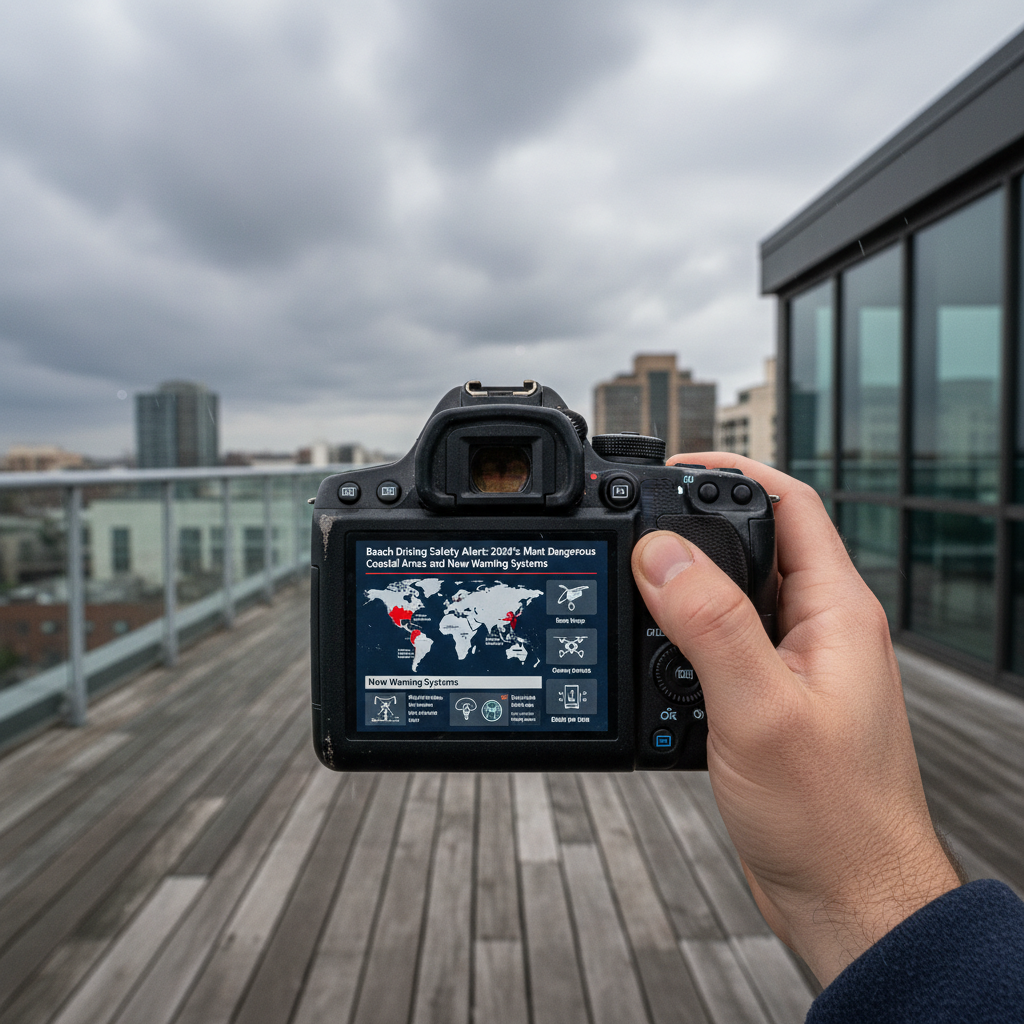
The world of beach driving gear is constantly evolving. For 2026, we’re seeing some exciting new technologies emerge. Advanced tire inflation/deflation systems are becoming more sophisticated, offering precise pressure control and automated operation. These systems can save you time and effort, and ensure optimal tire pressure for different sand conditions.
Drone-based scouting is another promising development. Drones can be used to survey the beach ahead, identifying hazards like deep ruts, soft spots, and incoming tides. This allows you to plan your route accordingly and avoid getting stuck. The downside is the need for a skilled pilot and potential regulatory restrictions.
Improved GPS/communication devices are also on the horizon. Satellite communicators are becoming more affordable and feature-rich, offering better coverage and more advanced messaging capabilities. We’re also seeing the integration of GPS with augmented reality apps, providing real-time information about your surroundings.
Materials science is also playing a role. New polymers are being developed for recovery boards, offering increased durability and flexibility. Winch cables are also getting stronger and lighter, thanks to advancements in fiber technology. It's a good time to be a beach driver.
Standout Gear from 2026: Worth a Closer Look
After extensive research, a few pieces of gear really stood out to me. First, the AirScout Portable Tire Inflation System ($350). This system offers incredibly precise pressure control and can inflate tires quickly and efficiently. It’s a game-changer for anyone who frequently airs down and up.
Second, the SandSafe Drone Scout ($800) provides a bird’s-eye view of the beach ahead, allowing you to identify potential hazards and plan your route accordingly. While it requires some practice to operate, the added safety and peace of mind are well worth the investment. It also has a surprisingly long battery life.
Finally, the MAXTRAX Xtreme Recovery Boards ($450) are a significant upgrade over the standard MAXTRAX boards. They’re made from an even more durable polymer and feature an improved tread pattern for maximum traction. These are built to last, and I’m confident they’ll withstand years of abuse.
- AirScout Portable Tire Inflation System: Precise pressure control, fast inflation.
- SandSafe Drone Scout: Hazard identification, route planning.
- MAXTRAX Xtreme Recovery Boards: Enhanced durability, improved traction.
Featured Products

High output and performance · Heavy-duty construction · Portable design
Essential for maintaining optimal tire pressure on varied sand conditions, ensuring traction and preventing getting stuck.

Adjustable PSI settings (10-30 PSI) · Auto-stop function · Screw-on design for easy application
Allows for precise and quick tire deflation, crucial for improving flotation and traction on soft sand.

12,000lb pulling capacity · Synthetic rope for lighter weight and increased safety · Robust Gen 3 design
Provides critical self-recovery capability, offering peace of mind when venturing into remote beach areas or encountering deep sand.

31,518lb break strength · 3" x 20' length · Heavy-duty construction for off-road use
A reliable and strong strap for emergency vehicle recovery, ensuring you can safely pull yourself or others out of difficult situations.

5.5" display · Group Ride Radio and Group Tracking · Voice communication capabilities
Enhances safety and navigation on unfamiliar beach routes, allowing for communication and tracking with your group.
As an Amazon Associate I earn from qualifying purchases. Prices may vary.
No comments yet. Be the first to share your thoughts!