

Storm surge and beach conditions
Beach driving after a hurricane is riskier than it looks. Receding water often leaves a wide, flat surface that hides soft spots and debris. The shoreline you knew before the storm is gone, replaced by unstable sand and hidden hazards.
Storm surge doesn't just deposit water; it fundamentally reshapes the beach. The force of the water compacts sand unevenly, creating areas of deceptive solidity alongside pockets of instability. According to the Florida Department of Health in Santa Rosa County, post-hurricane hazards include debris hidden beneath the sand, compromised dune structures, and the potential for sudden erosion. This means a beach you drove on comfortably before the storm could be entirely different – and significantly more treacherous.
Displaced objects are a major concern. Everything from large pieces of driftwood and construction materials to smaller, sharper debris gets churned up and buried just below the surface. These hidden hazards can cause significant damage to tires and undercarriages. The dunes themselves, which provide a natural barrier and stabilize the beach, are often severely eroded, making the shoreline more vulnerable to future wave action and further complicating driving conditions. It’s easy to underestimate the power of a storm’s lingering effects.
Post-storm access restrictions
Just because a beach looks accessible doesn't mean it is. Immediately following a hurricane, most coastal areas implement strict access restrictions. These aren’t suggestions; they’re legally enforced closures designed to protect both people and the recovering ecosystem. Re-opening a beach isn't an automatic process; it requires thorough assessment by local authorities.
The responsibility for managing beach access typically falls to a combination of county governments, city councils, and parks departments. These entities are tasked with evaluating the safety of the beach, clearing debris, and repairing any damage to infrastructure. They will issue official updates regarding closures and re-openings. Ignoring these restrictions can result in hefty fines and, more importantly, puts you and others at risk.
Check the Santa Rosa County or local city hall websites before heading out. Social media updates from parks departments are usually the fastest way to see if a gate is actually open, but a quick call to the local non-emergency line can save you a wasted trip and a fine.
- Check your local county government website.
- Review your city hall’s official page.
- Monitor the social media accounts of relevant parks departments.
- Consult local news sources for the latest updates.
Vehicle inspection
Everyone knows to check tire pressure before beach driving, but a post-hurricane inspection demands a more comprehensive approach. Given the potential for debris washing ashore during the storm, thoroughly inspect the undercarriage of your vehicle for any damage. Look for dents, scrapes, or anything that seems out of place – even minor damage can compromise your vehicle’s safety.
Beyond the undercarriage, ensure all fluid levels are topped off: oil, coolant, brake fluid, and windshield washer fluid. A compromised cooling system or braking mechanism is a serious hazard, especially in a remote location. Verify that all lights – headlights, taillights, brake lights, and turn signals – are functioning correctly. Visibility can be significantly reduced after a storm due to cloud cover and lingering debris.
Don’t forget the spare tire and jack. A flat tire is a common occurrence on the beach, and being prepared can save you a lot of trouble. Also, consider carrying a portable air compressor to re-inflate tires if needed. A comprehensive inspection isn’t just about preventing breakdowns; it’s about ensuring your safety and the safety of others.
How the sand changes
Hurricanes dramatically alter the consistency of the sand. It’s not simply a matter of "soft’ versus ‘hard" sand anymore. Storms compact sand in some areas, creating deceptively firm surfaces, while simultaneously eroding it in others, leaving behind pockets of loose, unstable terrain. What was an easy drive before the storm might now be a treacherous obstacle course.
Hard-packed sand, typically found closer to the waterline after a storm, can seem safe, but it can still conceal hidden debris. Soft sand, often found further inland, requires more power and careful maneuvering. The real danger lies in the "quicksand" pockets created by storm surge. These areas are saturated with water and have very little structural integrity, capable of quickly trapping a vehicle.
4WD won't save you if you drive into a washout. Watch for color changes or ripples that suggest the sand is still saturated. If the surface looks darker or 'shiny,' it’s likely a water pocket. Keep your speed low and be ready to back out the way you came if the steering feels heavy.
- Hard-packed sand often hides buried timber or metal debris just under the surface.
- Soft sand: Requires more power and careful maneuvering.
- Quicksand pockets are common near new inlets and can swallow a tire in seconds.
Essential Recovery Gear & Communication
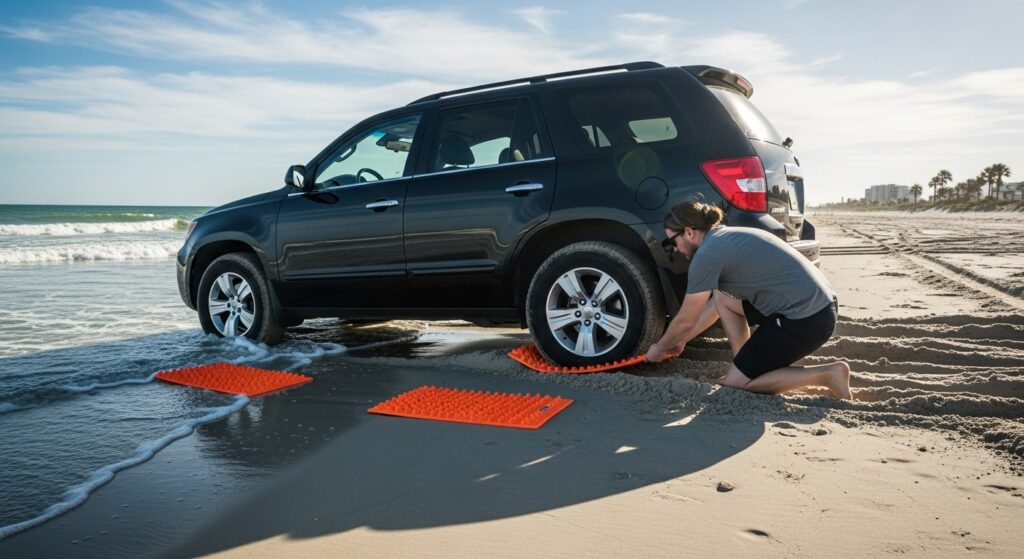
A standard beach recovery kit is a good starting point, but post-storm driving demands a more robust setup. In addition to the usual items – shovel, tow strap, and tire pressure gauge – include traction mats to provide grip in soft sand. A high-quality shovel is essential for digging out stuck tires, and a sturdy tow strap is necessary for getting pulled out if you become immobilized.
However, the most critical addition is a reliable communication device. Cell service is often unreliable or completely unavailable in the aftermath of a hurricane. A satellite messenger (like a Garmin inReach or SPOT device) allows you to send and receive messages, even in areas without cell coverage. A two-way radio can also be useful for communicating with others in your group.
Always let someone know your plans – where you’re going, your expected route, and your estimated return time. This is especially important after a storm, when emergency services may be stretched thin. Having a designated contact who knows your itinerary can significantly improve your chances of being found quickly if something goes wrong.
Driving Techniques: Slow & Steady Wins
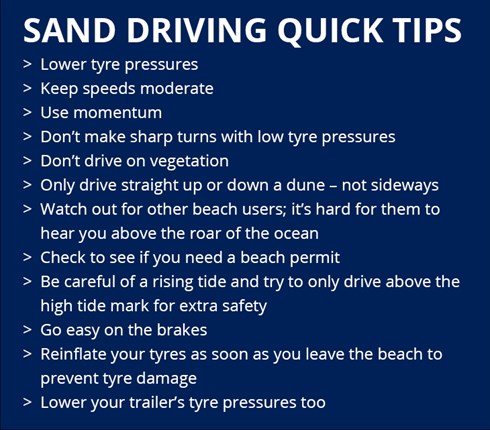
This is not the time for aggressive driving or showing off. Slow speeds are paramount. Maintaining a consistent momentum is key to navigating soft sand, but avoid sudden acceleration or braking. These actions can quickly cause you to lose traction and get stuck. Smooth, controlled movements are essential.
Steering in sand requires a different approach than on pavement. Avoid sharp turns; instead, use gentle, sweeping motions. Be particularly cautious when navigating around debris. If you encounter an obstacle, attempt to drive around it if possible. If you must drive over it, do so slowly and carefully to minimize the risk of damage.
If you do get stuck, don’t panic. Stop immediately and assess the situation. Avoid spinning your tires, as this will only dig you in deeper. Try gently rocking the vehicle back and forth while applying light acceleration. If that doesn’t work, deploy your traction mats or use your tow strap to get pulled out. Remember, saltwater is incredibly corrosive. After driving on the beach, thoroughly rinse your vehicle to prevent rust and corrosion.
Wildlife Considerations
Hurricanes disrupt wildlife habitats, and beaches often become temporary refuge for displaced animals. Sea turtles, shorebirds, snakes, and other creatures may seek shelter on the beach after a storm. Be extra vigilant and aware of your surroundings. An increased presence of wildlife is common, and they may be stressed and unpredictable.
Maintain a safe distance from any animals you encounter. Do not approach, feed, or harass them. Sea turtles are particularly vulnerable, especially nesting females. Avoid driving near marked nesting areas. Shorebirds may also be nesting, so be careful not to disturb their nests.
Driving on a beach that’s become a temporary habitat requires ethical consideration. Remember that you are entering a fragile ecosystem. Minimize your impact by staying on established routes, avoiding sensitive areas, and respecting the wildlife. Coast Buddy emphasizes responsible beach driving practices, even – and especially – after a storm.

No comments yet. Be the first to share your thoughts!