

The shift to electric beach driving
Beach driving was once for lifted Jeeps and old 4x4s. Now, electric vehicles are appearing on the sand. It’s a strange sight—silent machines where engines used to roar—but the shift makes sense as more people take EVs off the pavement.
Access to beaches, a growing desire to reduce our environmental impact, and the quiet enjoyment an EV provides are all contributing to this shift. Plus, the instant torque of an electric motor can be an advantage, even if it's not the whole story. We’re seeing more and more EV owners looking to extend their adventures beyond paved roads.
To understand this emerging trend, we're putting two popular EVs to the test – conceptually, at least. The Tesla Model Y, representing the sleek, tech-focused approach, and the Ford Lightning, with its robust, truck-like build. Both are capable vehicles, but their strategies for tackling the beach are quite different.
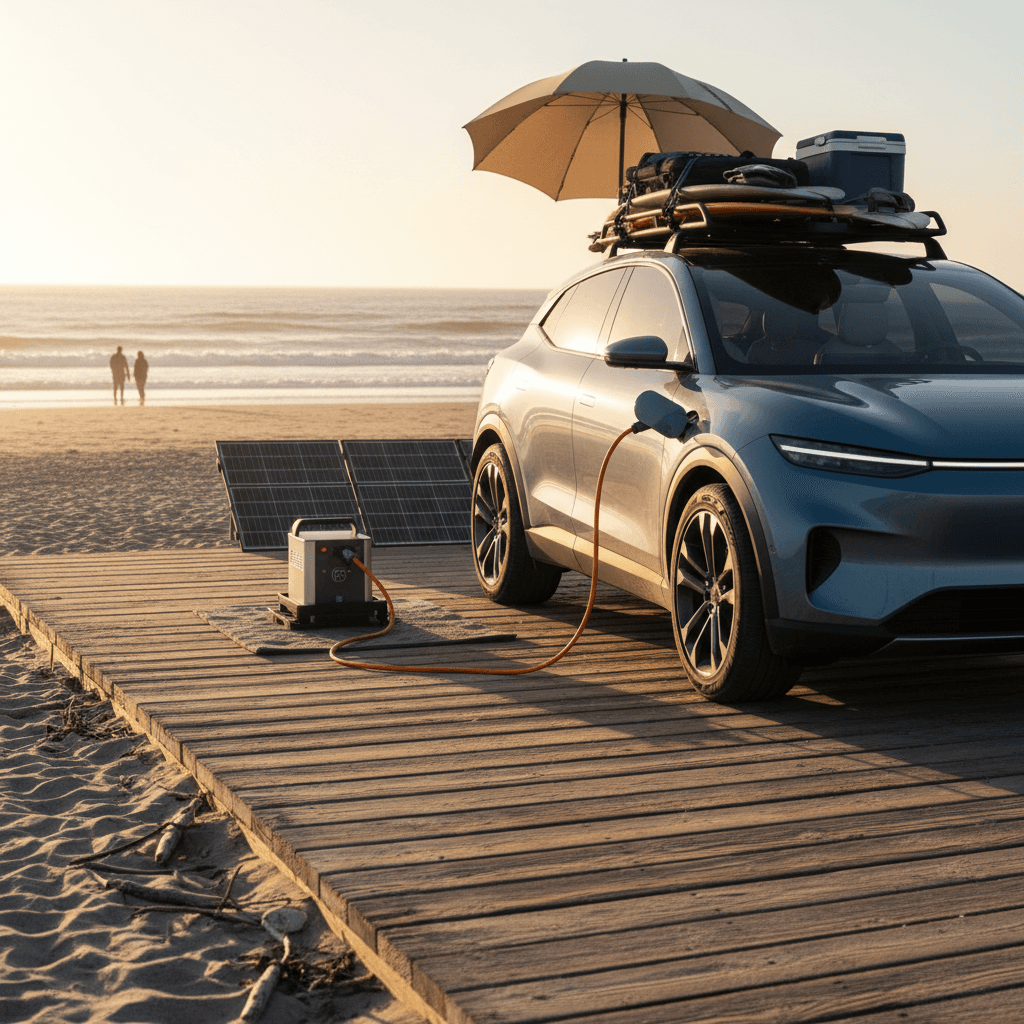
Why heavy EVs struggle in sand
Let's be clear: sand is a terrible surface for any vehicle. It presents a unique set of challenges. Reduced traction is the biggest issue, as tires struggle to find grip. Increased rolling resistance means the engine (or motor) has to work harder to maintain speed, and the potential for getting completely bogged down is always present.
EVs have a weight problem. Heavy battery packs make them sink faster in soft patches. While instant torque helps on the road, it often causes immediate wheelspin in the sand if you aren't light on the pedal.
Traditional advice for sand driving—lowering tire pressure to increase the contact patch—still applies to EVs, but it’s not always a simple solution. Lowering pressure too much can risk damaging the tire or even dismounting it from the wheel, especially with heavier vehicles. The type of sand matters too: dry, loose sand is far more challenging than wet, packed sand. Understanding the composition of the beach is key.
Tesla Model Y software and height limits
The Tesla Model Y relies heavily on its software and all-wheel-drive system to navigate challenging terrain. Tesla’s traction control is generally quite sophisticated, and it can effectively distribute power to individual wheels to maximize grip. This is a huge advantage when dealing with the unpredictable nature of sand.
The "Chill Mode’ and ‘Track Mode" options offer some potential for sand driving adjustments. Chill Mode reduces throttle sensitivity, which can help prevent wheelspin, while Track Mode prioritizes performance but may require a more experienced driver to manage. However, neither mode is specifically designed for off-road use, so experimentation is needed.
There’s a growing community of Tesla owners who have explored modifications to improve beach performance. These include swapping to all-terrain tires with more aggressive tread patterns and adjusting the suspension for increased ground clearance. Ground clearance, though, is a significant limitation of the Model Y. It simply doesn’t have the height to tackle more substantial dunes or obstacles.
User reports suggest that careful use of the regenerative braking system can also aid in maintaining momentum on sandy surfaces. But it’s a balancing act – too much regen can cause the tires to lose traction. It's really about finding the sweet spot, and that takes practice.
- Swap to all-terrain tires to get a real grip.
- Suspension: Consider aftermarket suspension components for increased ground clearance.
- Software Tweaks: Experiment with Chill Mode and Track Mode to find the best balance of control and performance.
- Regen Braking: Use regenerative braking cautiously to avoid losing traction.
Ford Lightning mechanical advantages
The Ford Lightning takes a different approach to beach driving. Where the Model Y relies on software, the Lightning brings significant mechanical advantages to the table. Its most notable feature is its substantially higher ground clearance compared to the Tesla.
This extra height allows the Lightning to clear obstacles that would ground the Model Y. The larger tires, standard on many Lightning trims, further contribute to its off-road capability. These tires provide a larger contact patch and more aggressive tread for improved traction. The robust suspension is also built to handle more challenging terrain.
The Lightning’s selectable drive modes—Normal, Sport, Tow/Haul, and others—allow drivers to tailor the vehicle’s behavior to the conditions. Selecting a mode that prioritizes torque distribution and responsiveness can be particularly helpful in sand. It's not just about power; it’s about how that power is delivered.
The Pro Power Onboard feature, which allows the Lightning to function as a mobile power source, is a unique benefit for beachgoers. It can be used to power camping gear, audio equipment, or even charge other devices. However, using Pro Power Onboard will, of course, draw down the battery, reducing the vehicle’s range.
Battery Health & Salt Air: Long-Term Concerns
Saltwater is the enemy of all vehicles, but EVs present some unique considerations. The potential for corrosion on battery packs, electrical connectors, and other sensitive components is a legitimate concern. Regular and thorough washing after beach trips is absolutely essential.
According to recharged.com, consistent cleaning with fresh water is the best defense against saltwater damage. Pay particular attention to the undercarriage, wheel wells, and any exposed electrical connections. Some EV manufacturers are incorporating corrosion-resistant materials into their designs, but the long-term effects of saltwater exposure are still being studied.
Temperature can also impact battery performance and range. Hot sand can increase battery temperature, potentially reducing its efficiency. Conversely, cool water can temporarily lower battery output. It’s important to be mindful of these factors and adjust driving habits accordingly.
While there’s no definitive data on the long-term impact of beach driving on EV battery health, preventative maintenance and careful driving practices are crucial for maximizing the lifespan of your vehicle.
Tesla Model Y vs Ford Lightning - Beach Driving
| Ground Clearance | Traction Control System | Torque Delivery | Recovery Ease | Overall Sand Performance |
|---|---|---|---|---|
| Model Y | Fair | Good | Instant, but can overwhelm tires | Fair - Limited by clearance and potential for wheelspin. |
| Lightning | Good | Excellent | Controllable, strong low-end | Good - Weight can be a hindrance, but robust build aids recovery. |
| Ground Clearance Comparison | Lightning is higher | Trade-off | Similar | Lightning has advantage |
| Traction Control System Effectiveness | Model Y relies heavily on software | Lightning offers more physical locking | Both are effective | Lightning has advantage |
| Torque Management in Sand | Model Y can be 'jumpy' | Lightning is more predictable | Both are powerful | Trade-off |
| Recovery Considerations | Model Y - lighter weight can aid | Lightning - weight can be a challenge | Both require caution | Trade-off |
Qualitative comparison based on the article research brief. Confirm current product details in the official docs before making implementation choices.
Essential Gear for EV Beach Adventures
Beyond the standard recovery equipment, EV beach driving requires a few extra considerations. A portable air compressor is essential for re-inflating tires after lowering the pressure for sand driving. A shovel and tow strap are always good to have, but traction mats are particularly useful for providing grip in soft sand.
A battery jump starter can be a lifesaver if you accidentally drain the 12V battery while using accessories. A dedicated wash kit for saltwater removal is also highly recommended. Don't forget a comprehensive first-aid kit for any unexpected injuries.
Consider bringing a high-capacity power bank for charging phones and other devices. And always carry plenty of water and snacks, especially on longer trips. Being prepared for the unexpected is key to a safe and enjoyable beach adventure.
- Portable air compressor
- Shovel
- Tow strap
- Traction mats for when you actually get stuck.
- Battery jump starter
- Saltwater wash kit
- First-aid kit
- Power bank
Regulations & Respect: Beach Driving Etiquette
Before you even think about driving on the beach, it’s crucial to know the local regulations. Many beaches require permits, restrict driving to designated areas, and enforce speed limits. Failure to comply can result in fines or even vehicle impoundment.
Responsible beach driving etiquette is equally important. Respect wildlife, avoid driving on dunes, and leave no trace behind. Be considerate of other beachgoers and avoid creating a disturbance. Remember that you’re sharing the beach with others.
Coast Buddy offers extensive resources on beach driving rules and regulations for various locations. Check their website for the latest information before your trip. By following these guidelines, you can help preserve the beauty and accessibility of our beaches for future generations.
Essential EV Beach Driving Gear for Your 2026 Adventure

150 PSI maximum pressure · 1.80 CFM airflow · Automatic shut-off feature
Essential for adjusting tire pressure for sand driving and ensuring proper inflation after your beach excursion.

31,518lb break strength · 3" x 30' dimensions · Heavy-duty nylon webbing
A critical safety item for beach driving, allowing for self-recovery or assistance from another vehicle if you get stuck in the sand.
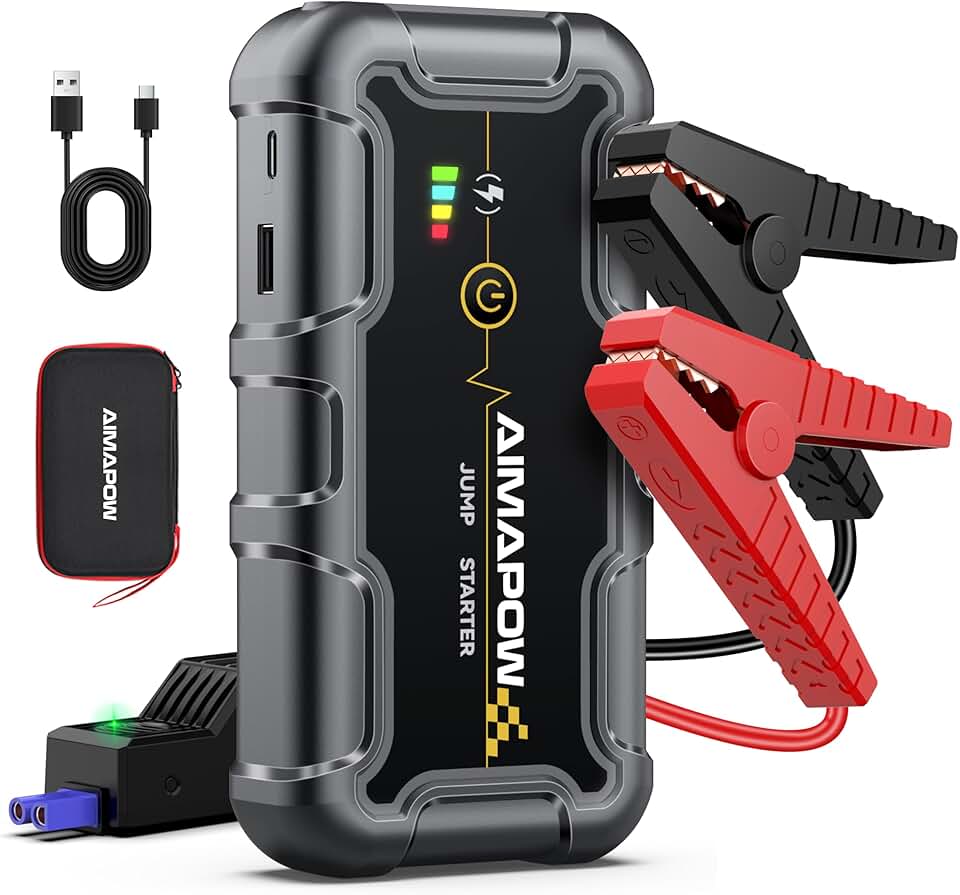
8000A peak current · 20000mAh battery capacity · Supports gas and diesel engines
Provides peace of mind by offering a reliable way to jump-start your electric vehicle's 12V battery if it becomes depleted, even in remote beach locations.

Waterless cleaning technology · Includes cleaning and waxing agents · Eco-friendly formulation
Allows you to clean off sand and salt spray from your EV after beach driving without needing access to water, preserving its finish.

Provides tire traction · Suitable for sand, mud, snow, and ice · Foldable for easy storage
An indispensable tool for preventing or escaping situations where your EV's tires lose grip on soft sand.
As an Amazon Associate I earn from qualifying purchases. Prices may vary.



No comments yet. Be the first to share your thoughts!