

Storm surge is the real killer
Driving on the beach after a hurricane is usually a bad idea. The wind is one thing, but storm surge is what kills. It’s a wall of water that can arrive hours before the eye of the storm, moving fast enough to sweep a truck off the sand before you realize the tide has changed.
Conditions can change in minutes. What looks like a manageable stretch of beach can be submerged and churning with debris almost instantly. Ready.gov emphasizes the importance of heeding evacuation orders and avoiding coastal areas when a hurricane threatens. They clearly state that storm surge is often the greatest threat to life and property during a hurricane.
Beyond the surge, consider rip currents. These powerful channels of water can pull even experienced swimmers out to sea. They are more frequent and stronger during and after storms. Even if you’re just watching the ocean, be aware of the potential for these currents, and never underestimate the power of the water.
Deciding whether to drive
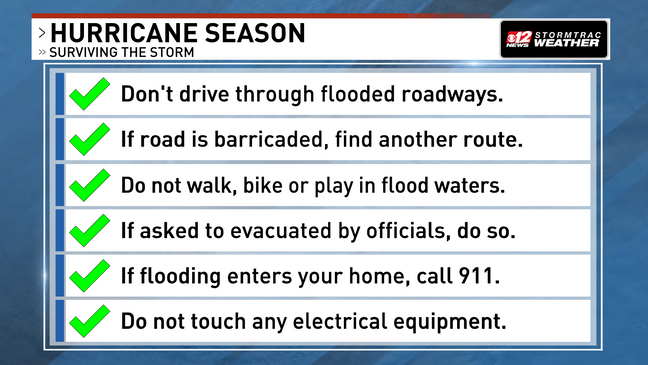
The first rule is simple: if there’s an evacuation order, leave. Don’t try to ride it out, and don’t drive toward the coast. Your life is far more valuable than any possession. Even if an evacuation isn’t ordered, seriously question whether any driving is necessary. Is it essential? Can it wait?
If you absolutely must drive before a storm, perform a thorough vehicle check. Tires need good tread, fluids should be topped off, and the battery needs to be in good condition. Pack an emergency kit specifically for the vehicle, including extra food, water, blankets, a first-aid kit, and a flashlight. Don't just rely on your standard hurricane kit at home.
Know your vehicle’s limitations. A four-wheel drive vehicle is helpful, but it’s not a guarantee of safety. Understand your vehicle’s ground clearance and whether it’s suitable for potential flooding. It’s better to be overprepared than to find yourself stranded.
- Check tire pressure and tread depth
- Top off all fluids (oil, coolant, windshield washer)
- Test the battery and charging system
- Pack a vehicle kit with water, a first-aid kit, and a real flashlight.
Checking for debris and hazards
Before even thinking about driving on the beach after a storm, you need to assess the damage. This isn’t a quick glance; it's a careful inspection. Look for debris – hidden objects under the water or sand can cause significant damage to your vehicle and pose a safety risk. Washed-out roads and compromised dunes are also major red flags.
Treat every downed power line as live. Don't drive over them or get near them. The 2026 South Texas Hurricane Guide notes that even lines that look dead can kill you or spark a fire. Call it in and stay back.
Crucially, check with local authorities for road closures and safety advisories. They will have the most up-to-date information on conditions and potential hazards. Don't rely on outdated information or assumptions. Local emergency management agencies are your best source of truth.
How to read the sand
Storms change how sand behaves. Heavy rain turns firm paths into mush. You might think a stretch looks solid, but saturated sand will swallow a tire in seconds. Watch for deep ruts left by emergency vehicles; they'll bottom out a standard SUV.
Stable areas will generally be higher up the beach, away from the immediate waterline. However, even these areas can be deceptive. Saltwater intrusion compacts the sand in some spots, creating a false sense of security. Be cautious and observant. Look for areas where other vehicles have recently traveled – that can give you a clue about the stability.
Driving on dunes is almost always a bad idea. Dunes are fragile ecosystems and provide a natural barrier against storm surge. Driving on them causes erosion and weakens this protection. It’s also often illegal and carries hefty fines. Respect the dunes and stay on the packed sand.
Driving Techniques: Slow & Steady Wins
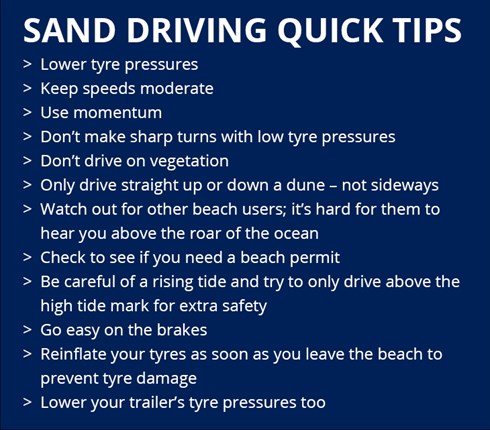
If, after careful assessment, you decide to drive on the beach, proceed with extreme caution. Lowering your tire pressure is essential. This increases the contact patch between your tires and the sand, providing better traction. A good starting point is around 15-20 PSI, but consult your vehicle’s owner’s manual for specific recommendations.
If your vehicle has four-wheel drive, engage it. Understand how to switch between 2WD, 4WD High, and 4WD Low. 4WD Low provides maximum torque for getting unstuck. Maintain a slow, consistent speed. Avoid sudden braking or steering, as this can cause you to lose control.
If you get stuck, don’t panic. Gently rock the vehicle back and forth, alternating between drive and reverse. If that doesn’t work, consider using traction boards (sand ladders) to provide grip. Avoid spinning your tires, as this will only dig you in deeper.
Remember, momentum is your friend, but control is essential. Slow and steady is the best approach. Don’t attempt to drive through deep water or over large debris. It’s better to turn around and find an alternative route.
Legal Considerations & Local Ordinances
Beach driving regulations vary significantly from place to place. What’s legal in one location may be prohibited in another. It’s your responsibility to check local ordinances before driving on any beach. Failure to do so could result in fines, vehicle impoundment, or even legal action.
Many areas require permits for beach driving, especially during certain times of the year. Some restrict access to specific areas or vehicle types. Others have speed limits and other restrictions. Ignoring these rules can have serious consequences.
Consider liability concerns. If you damage property or injure someone while driving on the beach, you could be held responsible. Ensure you have adequate insurance coverage.
Post-Storm Driving: What Could Go Wrong?
Even with careful preparation, things can go wrong. Flat tires are common due to debris. Mechanical failures can occur due to saltwater exposure. Getting stuck in soft sand is a frequent issue. And you may encounter displaced wildlife – animals seeking higher ground after flooding.
If you experience a flat tire, change it safely away from the waterline and any potential hazards. If you have a mechanical failure, assess the situation and call for assistance. If you get stuck, try the techniques mentioned earlier, but don't hesitate to call for help if you're unable to free yourself.
Be aware that cell service may be unreliable after a storm. Have a communication plan in place, and let someone know your route and expected return time. A satellite communication device can be a valuable investment if you frequently drive in remote coastal areas.
Ultimately, driving on the beach after a hurricane requires careful planning, cautious execution, and a healthy dose of respect for the power of the ocean. Don’t take unnecessary risks, and prioritize your safety above all else.
Post-Storm Driving Risks & Responses
| Risk | Severity | Recommended Action | Potential Contributing Factors |
|---|---|---|---|
| Flat Tire | Medium | Change tire if equipped and trained; otherwise, call for assistance. | Debris (wood, metal, glass) scattered by the storm surge and winds. |
| Vehicle Getting Stuck | Medium | Attempt gentle rocking; if unsuccessful, call for professional recovery services. Avoid aggressive acceleration. | Soft sand conditions exacerbated by recent rainfall and storm surge. Hidden debris under the sand. |
| Mechanical Failure | High | Assess damage and do not attempt to operate the vehicle. Call for towing and professional repair. | Water intrusion into the engine or electrical systems. Damage from flying debris. |
| Submerged Roadways/Hazards | High | Do not attempt to cross. Identify alternate routes. Report the hazard to local authorities. | Storm surge and heavy rainfall can obscure road edges and create unexpected drop-offs or washouts. |
| Hidden Debris | Medium | Drive slowly and cautiously. Scan the beach ahead for potential hazards. | Storms uncover or redistribute debris that is not readily visible. |
| Unstable Dune Systems | Medium | Avoid driving on or near dunes. They may be weakened and prone to collapse. | Storm surge and wave action erode dune structures, making them unstable. |
| Changed Beach Profile | Low | Adjust tire pressure and driving speed to account for altered sand conditions. | Storms can significantly reshape the beach, creating steeper slopes or softer sand. |
Illustrative comparison based on the article research brief. Verify current pricing, limits, and product details in the official docs before relying on it.

No comments yet. Be the first to share your thoughts!