

Is Electric Beach Driving Actually Possible?
A lot of people look at me sideways when I mention driving an electric vehicle on the beach. It feels counterintuitive, doesn't it? Sand, water, and expensive electronics don’t exactly seem like a good mix. But it's happening, and it’s becoming more popular. The rise of electric beach buggies, like the NOSMOKE featured on YouTube, shows that it works. It’s not just a novelty; people are genuinely using EVs for coastal adventures.
The biggest concern, understandably, is range anxiety. Sand significantly increases energy consumption. But that’s not the only hurdle. Sand conditions vary wildly – from hard-packed beaches to soft, deep dunes – and each presents a unique challenge. Add to that the need for proper planning and potentially some modifications, and you have a learning curve. The silence and lack of exhaust make the extra planning worth it.
This isn’t about pretending it’s effortless. It requires a different mindset than regular road driving. It’s about understanding your vehicle’s capabilities, respecting the environment, and being prepared. We’ll explore the specifics, but I want to be clear: electric beach driving isn’t a pipe dream. It's a growing reality, and with the right approach, it can be incredibly enjoyable.
The idea that EVs can’t handle the beach is simply outdated. Technology is evolving quickly. Battery ranges are increasing, traction control systems are becoming more sophisticated, and manufacturers are starting to take notice of this niche market. We’re at a turning point where electric beach driving is becoming not just possible, but practical.
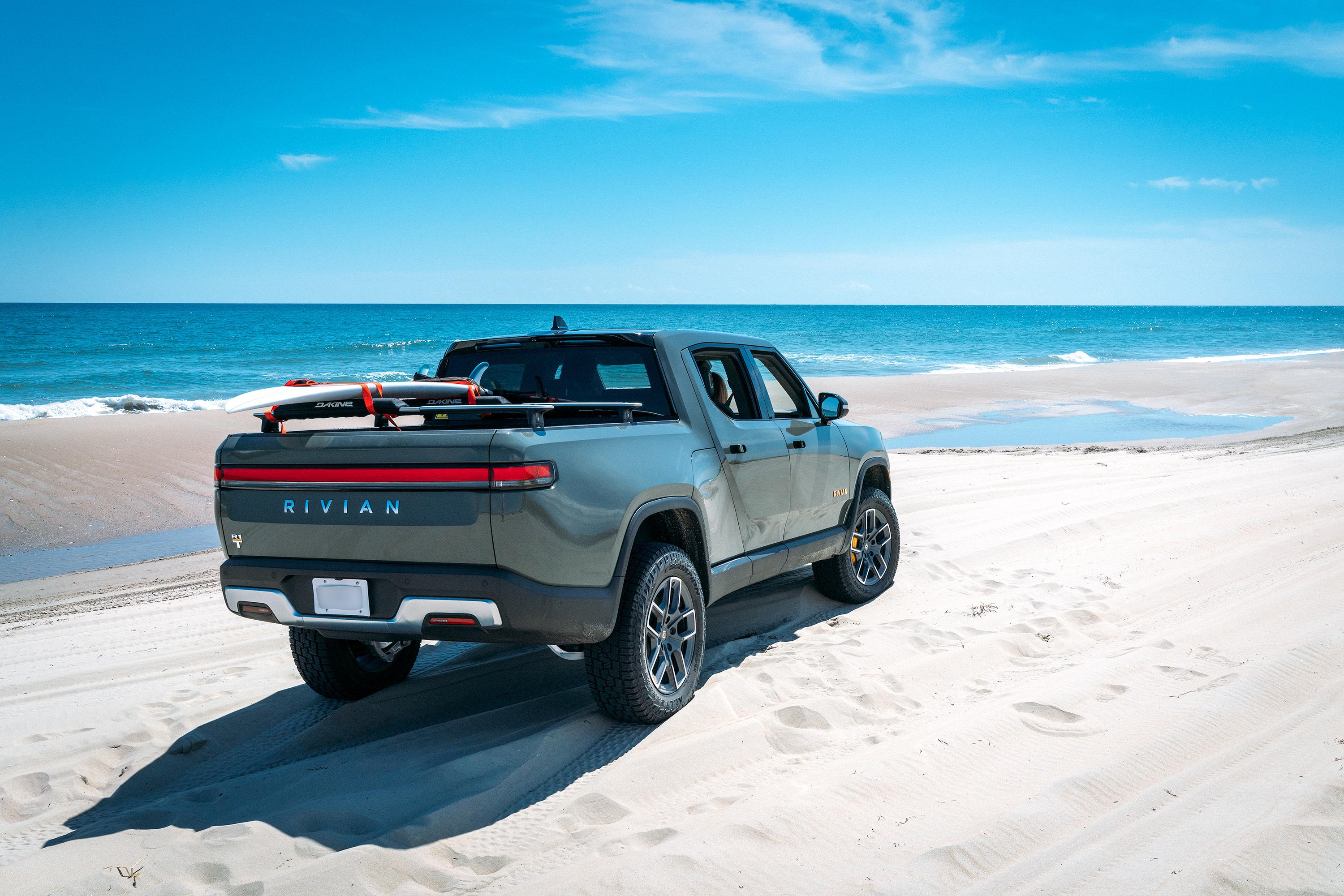
Understanding Sand and Your EV's Traction Control
Sand isn’t just one thing. That’s the first lesson anyone attempting EV beach driving needs to learn. Dry, powdery sand is the worst – it offers almost no traction. Wet, packed sand is much easier, behaving more like a firm surface. And then there’s everything in between, from slightly damp sand to loose, shifting dunes. The consistency changes drastically with the tide, the weather, and even the location on the beach.
EVs rely heavily on their traction control systems to manage wheelspin. These systems work by reducing power to spinning wheels and transferring it to those with more grip. However, they’re designed primarily for on-road conditions. In deep sand, they can sometimes interfere with forward momentum, constantly cutting power and making it difficult to maintain speed. I’ve definitely experienced this firsthand – getting bogged down in seemingly harmless-looking dunes because the traction control was working against me.
The key is to understand how your EV’s traction control system behaves and, if possible, to adjust its settings. Some vehicles allow you to partially disable it or select a "sand" mode. Even without specific settings, learning to modulate the throttle and maintain momentum is crucial. A smooth, steady input is far more effective than aggressive acceleration.
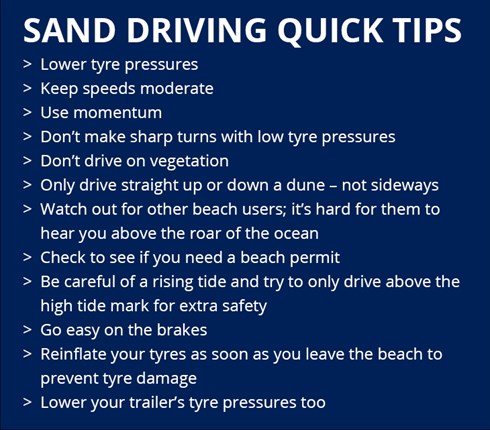
Beyond traction control, tire pressure is what actually keeps you moving. Lowering your tire pressure significantly increases the contact patch, improving flotation and traction. I typically drop mine to around 15-20 psi for beach driving, but it depends on the vehicle and the sand conditions. Always remember to reinflate your tires when you return to the pavement! And no matter how confident you are, always carry recovery gear – a shovel, a tow strap, and potentially a portable air compressor.
- Check tire pressure: Lowering to 15-20 psi improves flotation.
- Modulate the throttle: Smooth, steady acceleration is key.
- Carry recovery gear: Shovel, tow strap, and air compressor are essential.
- Understand your traction control: Learn how it behaves and adjust settings if possible.
The Best EVs for Beach Driving in 2026
Not all electric vehicles are created equal when it comes to tackling sandy terrain. Ground clearance is the main factor; you need space to avoid bottoming out. A robust suspension helps absorb bumps and maintain control. And, of course, a powerful electric motor with instant torque is a huge asset for getting unstuck. The Rivian R1T, with its adjustable air suspension and impressive off-road capabilities, is a standout contender.
The Tesla Model X, despite its size, can also be surprisingly capable, especially with the optional air suspension raised to its maximum height. However, its lower-profile tires are more susceptible to punctures. The Hummer EV, while enormous, offers substantial ground clearance and a powerful electric powertrain, making it a viable option for more challenging conditions. We’re also seeing some interesting developments in the electric off-road buggy space, like the NOSMOKE, which is specifically designed for this type of terrain.
For 2026, several manufacturers are announcing models with increased focus on off-road capability. Ford is rumored to be releasing an electric Bronco with enhanced traction control and higher ground clearance. Kia is also working on a rugged EV crossover that could be a good fit. It’s important to look beyond just the headline specs and consider the overall design and engineering.
Aftermarket modifications can also significantly improve an EV’s beach performance. Lift kits, all-terrain tires, and skid plates are all worthwhile investments. However, be mindful of the impact these modifications may have on your vehicle’s range and warranty. It’s a trade-off between capability and practicality. Choosing the right EV is about finding the best balance for your specific needs and budget.
- Rivian R1T: Adjustable air suspension, impressive off-road capabilities.
- Tesla Model X: Good with optional air suspension, but vulnerable tires.
- Hummer EV: Substantial ground clearance, powerful powertrain.
- NOSMOKE: Specifically designed for beach driving.
Electric Vehicle Beach Driving Capability - 2026 Assessment
| Model | Ground Clearance | Motor Power | Traction Control System | Aftermarket Support | Overall Beach Capability |
|---|---|---|---|---|---|
| Rivian R1S | Approximately 14.1 inches | High | Advanced | Excellent | Excellent |
| Tesla Model X | Approximately 8.8 inches | High | Advanced | Good | Good |
| Ford F-150 Lightning | Approximately 10.0 inches | High | Standard | Excellent | Good |
| Hummer EV | Approximately 11.8 inches | High | Advanced | Good | Excellent |
| Hyundai IONIQ 5 | Approximately 6.1 inches | Medium | Standard | Limited | Fair |
| Kia EV6 | Approximately 7.4 inches | Medium | Standard | Good | Fair |
| NOSMO (Beach Buggy) | High | Medium | Basic | Limited | Good |
Illustrative comparison based on the article research brief. Verify current pricing, limits, and product details in the official docs before relying on it.
Battery Range and Charging Near the Beach
Range anxiety is a legitimate concern when driving an EV on the beach. Sand dramatically increases energy consumption – estimates suggest a 20-50% reduction in range compared to highway driving. That's because the tires are working harder, and the motor has to overcome the resistance of the sand. The deeper and softer the sand, the greater the energy drain. Planning your route and carefully monitoring your battery level is essential.
The availability of charging stations near popular beach destinations is still a major challenge. Coastal areas often lack the charging infrastructure found in more populated areas. Resources like PlugShare and ChargePoint can help you locate chargers, but it’s important to verify their availability and compatibility before you go. I’ve found that relying solely on public chargers can be risky, especially during peak season.
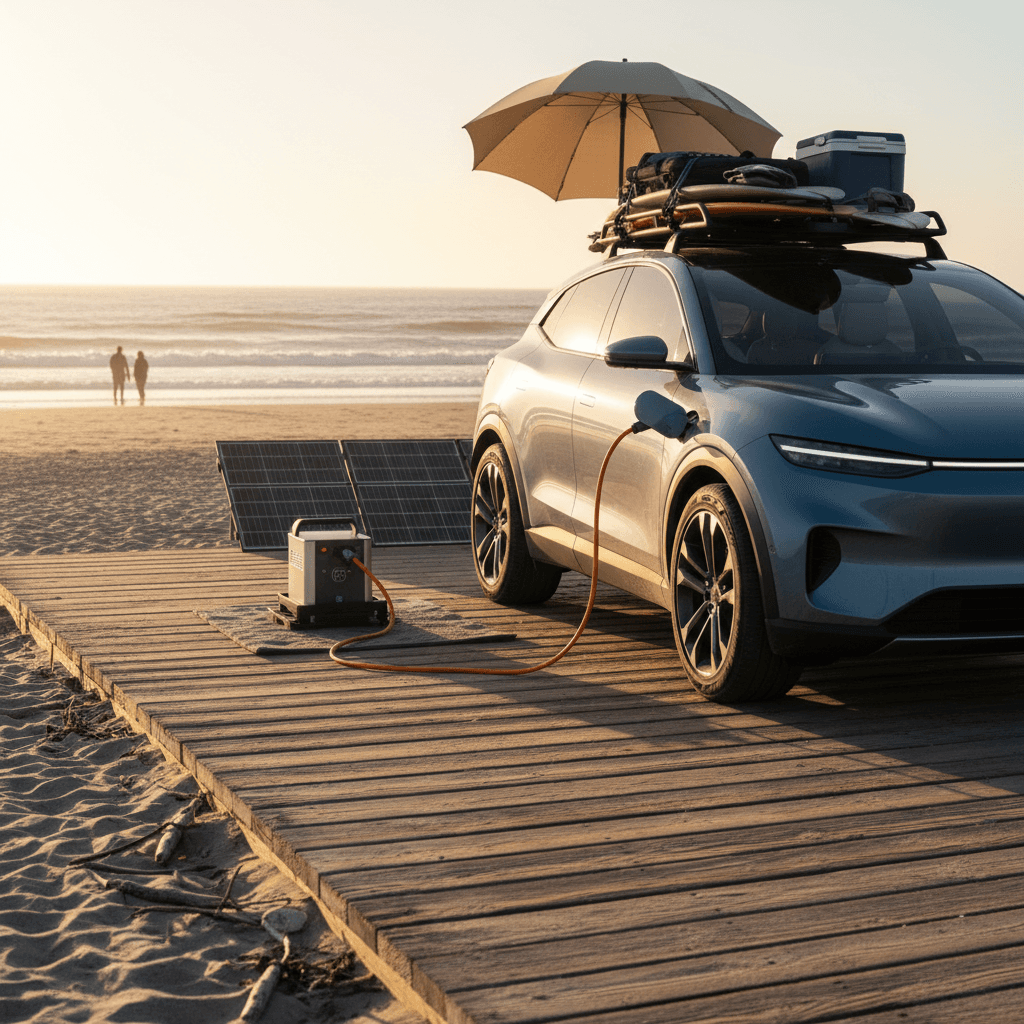
Portable charging options can provide peace of mind. A Level 2 portable charger, plugged into a standard 240V outlet (if available at your rental or a nearby business), can significantly reduce charging times. However, even with a portable charger, you’ll need several hours to fully replenish your battery. Consider bringing an extension cord to reach the outlet.
It's also worth researching whether your destination offers any EV-specific amenities, such as dedicated charging spots or discounted charging rates. Planning your beach trip around charging availability is often necessary. Don't assume you'll be able to just 'top up' whenever you need to. A little preparation can save you a lot of stress.
Legal Considerations: Permits, Access, and Regulations
Driving on beaches isn’t universally legal. Regulations vary significantly from state to state, and even from beach to beach. Some beaches require permits, while others restrict access to certain areas or times of year. Ignoring these rules can result in hefty fines or even impoundment of your vehicle.
es general information about EV regulations, but it’s crucial to check the specific rules for the beach you plan to visit. Many coastal towns and counties have their own ordinances governing beach driving. Look for information on the local government’s website or contact the parks and recreation department.
Permit fees can vary widely, from a few dollars per day to several hundred dollars per year. Some permits are only available to residents, while others are open to visitors. It’s important to understand the permit requirements before you go, and to obtain the necessary permits in advance. Don’t assume that just because you see other vehicles driving on the beach, it’s legal to join them.
Respecting local regulations is not only about avoiding fines; it’s also about protecting the environment and preserving access for everyone. Be mindful of wildlife, avoid driving in sensitive areas, and pack out all your trash. Being a responsible beach driver ensures that future generations can enjoy this unique experience.
Essential Gear for EV Beach Adventures
Beyond the standard recovery gear – a shovel, a tow strap, and traction boards – EVs require a few extra considerations. A portable charger is a must-have, especially if you plan on spending a full day at the beach. A jump starter, while less likely to be needed with an EV, can still be a lifesaver in case of an unexpected battery drain.
Sand-related issues are common, so a portable air compressor is invaluable for reinflating your tires after lowering the pressure. A tire repair kit is also a good idea, as punctures are more likely on sandy terrain. Don’t forget a set of heavy-duty gloves and a kneeling pad for digging your vehicle out of the sand.
Protecting your EV from the elements is also important. A car cover can shield it from sun, salt spray, and sand. Consider investing in rubber floor mats to protect the interior from sand and water. A small brush and vacuum cleaner can help you keep the interior clean.
I recommend researching specific products on Amazon and reading reviews before you buy. Look for gear that is durable, reliable, and specifically designed for off-road use. Spending a little extra money on quality equipment can save you a lot of hassle in the long run.
Essential Gear for Your Electric Beach Driving Adventure
Heavy-duty construction for reliable traction · Compact and stackable for easy storage · Suitable for sand, mud, and snow
Essential for preventing your EV from getting stuck in soft sand, providing the grip needed to get moving again.
24,000mAh capacity · 140W output for fast charging of devices · Smart digital display showing power, voltage, and temperature
Provides crucial backup power for your essential electronics, ensuring your phone, navigation, or other devices stay charged.
Capable of jump-starting 12V vehicles · Includes USB ports for charging devices · Compact and easy to store
While EVs don't need jump-starts in the traditional sense, this can be useful for powering 12V accessories or in unexpected situations.
Digital display for accurate readings · Multiple pressure units (PSI, BAR, KPA, Kg/cm²) · Robust metal construction
Maintaining correct tire pressure is vital for sand driving performance and efficiency; this gauge ensures you can adjust and monitor it accurately.
As an Amazon Associate I earn from qualifying purchases. Prices may vary.
Electric Beach Wagons and Carts: A Growing Trend
The eBeachWagon.com comparison guide clearly demonstrates a growing market for electric beach wagons and carts. These vehicles are designed to haul gear – coolers, chairs, umbrellas, toys – across the sand without requiring you to strain your back. They’re a popular alternative to traditional wagons, which can be difficult to pull through soft sand.
Electric beach wagons typically have a weight capacity of 200-300 pounds, making them suitable for carrying a substantial amount of gear. They’re powered by rechargeable batteries and can travel at speeds of up to 6 mph. Some models even come with features like cup holders, USB charging ports, and adjustable handles. Instagram (@ebeachwagon) showcases how people are utilizing these.
These aren’t replacements for a capable EV, but they can be a valuable addition to your beach setup. They’re particularly useful for families with young children or anyone who has a lot of gear to transport. Prices range from around $1,000 to $3,000, depending on the features and capacity.
Before you buy an electric beach wagon, consider the terrain you’ll be using it on and the amount of gear you need to carry. Some models are better suited for soft sand than others. Read reviews and compare features to find the best option for your needs. They offer a convenient and eco-friendly way to enjoy your time at the beach.

No comments yet. Be the first to share your thoughts!