

Washington's 2026 Beach Driving Rules: A Major Shift is Coming
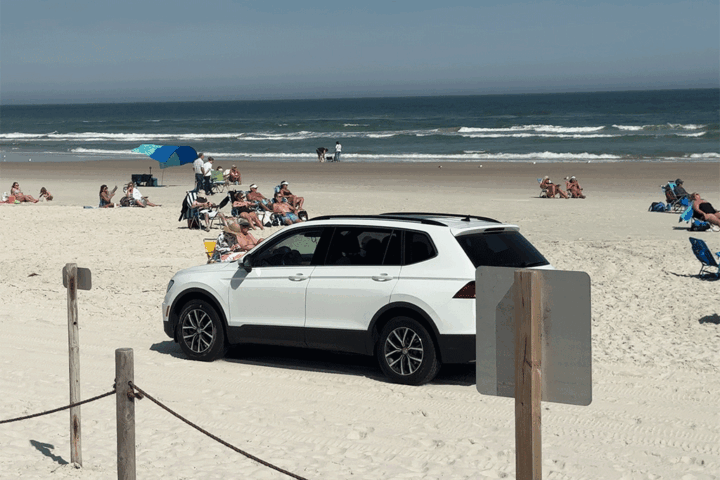
Get ready for significant changes if you enjoy driving on Washington's beaches. Effective January 1, 2026, new regulations will be in place that impact beach driving access and requirements across the state. These aren’t minor tweaks; we're looking at a substantial overhaul designed to balance recreational access with increased environmental protection. You need to know these changes before planning your next trip to avoid fines.
The biggest shift centers around permitting. While beach driving has long been a tradition in areas like the Long Beach Peninsula, Ocean Shores, and Grayland Beach, the process for obtaining access is becoming more formalized and, in some cases, more restrictive. The Washington Department of Fish and Wildlife is leading the charge, citing the need to safeguard fragile dune ecosystems and protect sensitive wildlife habitats. They've been working on these revisions for some time, and the finalized rules represent a significant step towards sustainable coastal management.
Previously, obtaining a permit was often a relatively straightforward process, sometimes handled locally by cities or counties. Now, a standardized, statewide system is being implemented. This means a permit obtained for Long Beach might not be valid at Ocean Shores, and vice versa. The increased regulation stems from documented increases in beach traffic and associated environmental concerns, including dune erosion and disturbance to shorebird nesting sites. The goal is to preserve these areas for future generations.
Don’t wait until 2026 to prepare. Familiarizing yourself with the new rules and understanding the permit requirements will save you time and potential headaches. Coast Buddy will be tracking these changes closely and providing updates, but proactive preparation is always the best approach. We’re seeing a clear trend towards prioritizing conservation, and these regulations reflect that shift.
The New Permit System: What You Need to Know
The heart of the 2026 changes lies in the new permit system. Washington State will offer several permit options, each tailored to different needs and usage patterns. Expect to see annual permits geared towards frequent beach drivers, short-term permits for visitors, and potentially even day passes for limited access. According to information from the Department of Fish and Wildlife, the cost of an annual permit is projected to be around $150, while a short-term (7-day) permit will likely be priced at $50.
Eligibility requirements will be fairly standard: a valid driver’s license, vehicle registration, and proof of insurance are all essential. However, a new requirement is the completion of an online beach driving safety course. This course, developed in partnership with coastal conservation groups, will cover topics like responsible driving techniques, tide awareness, and wildlife protection. The course fee is currently estimated at $25. You must refresh the course every three years.
Applying for a permit will be primarily done online through the Department of Fish and Wildlife’s website. There will also be limited in-person application locations at select state parks and visitor centers. You’ll need to provide documentation verifying your vehicle ownership, driver’s license, and completion of the safety course. A common mistake drivers make is assuming their existing permits will automatically carry over – they won’t. All permits issued before 2026 will be invalid.
There’s discussion of a tiered permit system based on vehicle weight and tire type, potentially impacting pricing. Heavier vehicles or those with tires deemed less environmentally friendly might face higher fees. While the specifics are still being finalized, it’s something to be aware of. Check the official WAC 352-37-030 for details as they become available. Don't delay applying; permits are expected to be in high demand.
- Annual Permit: Approximately $150
- Short-Term (7-day) Permit: Approximately $50
- Safety Course: $25 (required every 3 years)
- Required Documents: Valid driver’s license, vehicle registration, proof of insurance, safety course completion certificate
Beach driving in Emerald Isle is open. September 25th, 2023 Your safety is our priority, so please adhere to all posted regulations and guidelines.
— Town of Emerald Isle (@townemeraldisle) September 25, 2023
For more information about beach driving permits and guidelines, please visit our website. https://t.co/sHihJhNO2p pic.twitter.com/uJKTML2XnT
Designated Beach Driving Zones: Where Can You Legally Drive?
Not all of Washington’s coastline will be open to vehicle traffic under the new regulations. The Department of Fish and Wildlife is designating specific beach driving zones, clearly outlining where vehicles are permitted and where they are prohibited. These zones are based on ecological sensitivity, public safety, and existing usage patterns. Referencing WAC 352-37-030 is key to understanding the legal boundaries.
Currently designated zones include a significant portion of the Long Beach Peninsula, specifically north of Cape Disappointment State Park. Ocean Shores has a designated driving area extending several miles south of the city center. Grayland Beach also maintains a substantial drivable section, but with stricter speed limits. However, within these zones, there are further restrictions. For example, driving is typically prohibited on the dunes themselves, and certain areas may be closed during peak shorebird nesting season.
Driving outside of these designated zones carries substantial penalties – fines can range from $250 to $1,000, and repeat offenders could face even harsher consequences. The Department of Fish and Wildlife will be actively patrolling these areas to enforce the regulations. Check the specific rules for each beach before you drive. These zones aren't set in stone, either. Environmental changes, like erosion or shifting wildlife patterns, could lead to adjustments in the future.
Expect to see clearly marked signage indicating designated driving areas and restricted zones. Digital maps will also be available on the Department of Fish and Wildlife website and through the Coast Buddy app. Ignoring these signs is a sure way to incur a hefty fine. Remember, respecting these boundaries is vital for protecting our coastal ecosystems.
- Long Beach Peninsula: Designated driving area north of Cape Disappointment State Park
- Ocean Shores: Driving permitted for several miles south of the city center
- Grayland Beach: Substantial drivable section with stricter speed limits
2026 Beach Driving Zone Guide - Key Changes & Regulations
| Beach Name | Driving Allowed | Permit Required | Speed Limit | Seasonal Restrictions |
|---|---|---|---|---|
| Long Beach | Yes | Yes | 25 mph | November 1st - February 28th: Restrictions in designated bird nesting areas. Check local signage. |
| Ocean Shores | Yes | Yes | 25 mph | May 15th - September 15th: Increased enforcement of pedestrian safety regulations. |
| Grayland Beach | Yes | No | 20 mph | October 1st - April 30th: Limited access north of the main access point due to tidal conditions. |
| Kalaloch | No | N/A | N/A | Vehicle access prohibited to protect coastal ecosystems. |
| Pacific Beach | Yes | Yes | 20 mph | March 1st - July 31st: Potential closures for shellfish harvesting events. |
| Seaview | Yes | Yes | 25 mph | Variable restrictions based on weather and beach conditions. Monitor local announcements. |
| Copalis Beach | Yes | Yes | 20 mph | December 1st - February 29th: Reduced speed limits during peak clamming season. |
Qualitative comparison based on the article research brief. Confirm current product details in the official docs before making implementation choices.
Vehicle Requirements: Is Your Ride Ready for the Sand?
The 2026 regulations will specify minimum vehicle requirements for beach driving. Four-wheel drive (4WD) or all-wheel drive (AWD) is almost certainly going to be essential for navigating the soft sand conditions. Vehicles with two-wheel drive will likely be prohibited in most areas. Beyond the drivetrain, tire pressure is a critical consideration. Lowering your tire pressure to around 15-20 PSI increases the contact patch and improves traction.
While lift kits aren’t explicitly mandated, they can be beneficial, especially for vehicles with lower ground clearance. A shovel, tow strap, and a basic toolkit are also highly recommended. Getting stuck is a common occurrence, and having the right recovery gear can save you a lot of trouble. Regularly checking your vehicle’s fluids – oil, coolant, brake fluid – is also crucial before hitting the beach. Saltwater is corrosive, and maintaining your vehicle will prevent long-term damage.
It’s also wise to inspect your brakes and tires before your trip. Worn brakes can be dangerous on the sand, and tires with insufficient tread will struggle for traction. Consider bringing a portable air compressor to reinflate your tires after driving. The Department of Fish and Wildlife might eventually require vehicles to have specific undercarriage protection to prevent damage to sensitive dune ecosystems.
Don’t underestimate the importance of preparation. A well-maintained vehicle with the right equipment will significantly enhance your safety and enjoyment on the beach. Ignoring these maintenance steps can lead to expensive repairs or getting stranded.ng these recommendations could lead to getting stuck, damaging your vehicle, or even requiring a costly tow.
Safety First: Essential Beach Driving Practices
Beach driving presents unique safety challenges. Understanding tides is paramount. Always check the tide charts before you go and be aware of the potential for rapidly rising water. Avoid driving near the water's edge, as rogue waves can quickly engulf your vehicle. Soft sand can also be treacherous – slow and steady is the best approach. Avoid sudden acceleration or braking.
Be mindful of pedestrians, wildlife, and other vehicles. Share the beach responsibly and yield to those on foot. Keep a safe distance from shorebirds and other animals, especially during nesting season. Carry a reliable communication device, such as a cell phone or a marine radio, in case of emergency. Cell service can be spotty in some areas, so a marine radio is a good backup.
If you do get stuck, don’t panic. Gently rock your vehicle back and forth while applying throttle, but avoid spinning your tires. Use your recovery gear (tow strap, shovel) to free yourself. If you’re unable to extricate your vehicle, call for assistance. Remember the "leave no trace" principle: pack out everything you pack in, and avoid disturbing the natural environment.
Emergency contact numbers for coastal areas should be readily available. Report any incidents or hazards to the Department of Fish and Wildlife. Prioritizing safety not only protects you but also preserves the beach driving experience for others. The non-emergency number for the Washington State Patrol is 503-378-7644.
Environmental Protection: Protecting Our Coastal Ecosystems
The 2026 regulations are deeply rooted in environmental protection. Coastal ecosystems are incredibly fragile, and vehicle traffic can have a significant impact. Driving on dunes can destroy vegetation, leading to erosion and habitat loss. Disturbing shorebird nesting sites can jeopardize entire populations of these important species. The goal of the new rules is to minimize these impacts and preserve the health of our beaches.
The regulations specifically prohibit driving on vegetated dunes and restrict access to sensitive areas during critical nesting seasons. Disposing of trash on the beach is strictly prohibited, and drivers are encouraged to pack out all waste. Avoiding driving through tidal pools and wetlands is also essential, as these areas are vital habitats for a variety of marine life.
The Department of Fish and Wildlife is working with local conservation groups to restore damaged dune ecosystems and protect endangered species. You can support these efforts by volunteering your time or donating to these organizations. Respecting the environment is not just a legal obligation; it’s a moral one. Our actions today will determine the health of these coastal ecosystems for generations to come.
Resources like the Washington Coast Restoration Initiative provide valuable information about local conservation efforts. Understanding the importance of these ecosystems will help you appreciate the need for these new regulations and encourage responsible beach driving practices. Every small action contributes to the overall health of our coastline.
Content is being updated. Check back soon.
Penalties and Enforcement: What Happens If You Break the Rules?
Violating the 2026 beach driving regulations carries significant penalties. Driving without a valid permit can result in a fine of $500 to $750. Driving in restricted areas carries a similar penalty, and repeat offenses can lead to even higher fines and potential vehicle impoundment. Ignoring speed limits or safety rules can also result in citations and financial penalties.
Enforcement will be primarily handled by the Washington Department of Fish and Wildlife, in coordination with local law enforcement agencies. Expect to see increased patrols along designated beach driving routes. Officers will be authorized to issue citations and impound vehicles for serious violations. The Department is also exploring the use of automated enforcement technologies, such as cameras, to monitor compliance.
If you receive a citation, you have the right to appeal it. The appeal process will be outlined on the citation itself. You’ll typically have a limited time frame to submit your appeal, so don’t delay. Be prepared to provide evidence supporting your case. Ignoring a citation will only result in further penalties.
The Department of Fish and Wildlife is committed to ensuring compliance with the new regulations. They view enforcement as a necessary step in protecting our coastal ecosystems and preserving the beach driving experience for future generations. Understanding the potential penalties should serve as a strong incentive to follow the rules.



No comments yet. Be the first to share your thoughts!