

Storm surge and your truck
The most immediate and often underestimated danger during a hurricane is storm surge. It’s not just about high tides; storm surge is a rapid increase in water level caused by the hurricane’s winds pushing water ashore. These water levels can rise incredibly quickly, and the ocean doesn’t behave predictably during these events. What might seem like a manageable wave can quickly become a wall of water, and the force is immense.
People consistently underestimate the power of moving water. A mere six inches of flowing water can knock an adult off their feet, and just twelve inches can sweep a car away. A news report from Hurricane Ian in 2022 showed dozens of vehicles completely submerged and carried inland by the surge in Fort Myers Beach, Florida. Don't think your truck is immune; it isn’t.
Beyond the surge itself, be acutely aware of rip currents. These powerful channels of water flowing away from the shore can quickly pull you and your vehicle out to sea. The National Park Service emphasizes that even experienced swimmers can be caught off guard. The combination of surge and rip currents creates a particularly dangerous situation for anyone considering beach driving during a storm. Remember, it's not a matter of if the water will move your vehicle, but when.
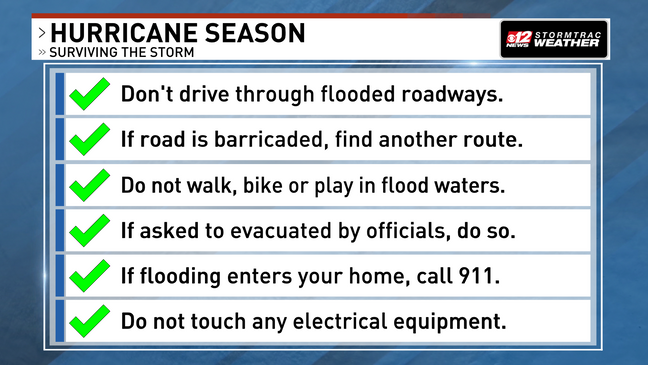
How to read hurricane forecasts
Understanding a hurricane forecast is essential for making informed decisions about beach driving. The Saffir-Simpson Hurricane Wind Scale categorizes hurricanes from 1 to 5, based on sustained wind speeds. Category 1 storms have winds of 74-95 mph, while Category 5 storms have winds of 157 mph or higher. However, the category is just one piece of the puzzle.
The 'cone of uncertainty' is a graphical representation of the possible track of the hurricane’s center. It’s important to understand this isn’t a prediction of where the storm will hit, but rather an area where the center is likely to pass. A wider cone indicates greater uncertainty. Pay attention to both sustained winds and wind gusts; gusts are often stronger and can create dangerous driving conditions.
Rainfall matters just as much as wind. Heavy downpours kill visibility and turn packed sand into mud. Check the National Hurricane Center for official updates and watch local news for street-level flooding reports.
Preparing your vehicle
Preparation is key, and it starts long before hurricane season. Start with your tires: ensure they have adequate tread depth and are properly inflated. Check your 4x4 system to make sure it’s functioning correctly – don’t wait until you’re stuck to discover a problem. Brakes and lights should be in top condition, and you should have a well-stocked recovery kit.
Know your truck's limits. A lift kit and 35-inch tires don't make you amphibious. Check your manual for the actual wading depth before you hit the water. Keep the tank full, because pumps don't work when the power is out. Consider a satellite phone or two-way radio for communication if cell service is unreliable.
Don't overlook basic maintenance. Regularly inspect your vehicle for any potential issues and address them promptly. A seemingly minor problem can become a major headache in a severe weather situation. Coast Buddy recommends having a professional mechanic inspect your vehicle before the start of each hurricane season. It’s a small investment that could save you a lot of trouble.
- Check tire tread depth (at least 6/32 inch)
- Inflate tires to recommended pressure
- Test 4x4 system functionality
- Inspect brakes and lights
- Assemble a recovery kit (tow strap, shovel, traction boards)
Driving Techniques in Severe Conditions
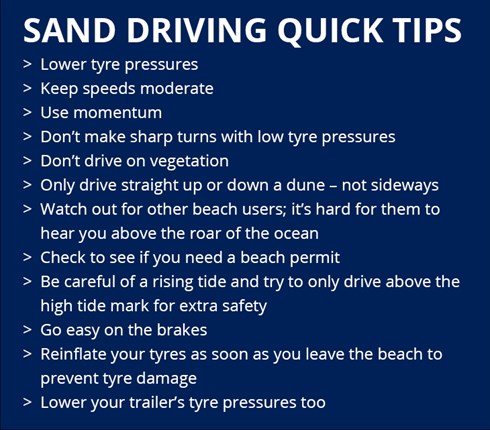
Let’s be clear: this section applies to driving after the worst of the storm has passed, during tropical storm conditions or in the immediate aftermath, and only if absolutely necessary. Reduce your speed dramatically. Sand becomes more unstable when wet, and braking distances increase significantly. Engage 4-wheel drive to maximize traction and control. Be constantly aware of the waves and avoid driving too close to the water’s edge.
Changing sand conditions are a constant factor. What looks like firm sand can quickly turn soft and unstable. Watch for areas where the tide has receded, as these may be covered in debris. If you encounter standing water, proceed slowly and cautiously. Avoid creating a wake, as this can push water into your engine compartment. If your vehicle gets stuck, do not spin the tires – this will only dig you in deeper.
Assess the beach slope carefully. A seemingly flat beach can have hidden depressions or drop-offs. Be aware of the potential for undertow, especially near inlets or jetties. If you feel your vehicle being pulled towards the ocean, immediately stop and slowly back away. Remember, even experienced beach drivers can get into trouble in severe conditions. Coast Buddy recommends having a spotter if you must drive in these conditions.
Maintaining a safe distance from other vehicles is also crucial. Visibility may be limited, and other drivers may be panicking or making erratic movements.
Recovery gear
Having the right recovery gear is essential, but knowing how to use it is even more important. A tow strap is a must-have for pulling your vehicle out of the sand. Choose a strap rated for at least twice your vehicle’s weight. A shovel is useful for digging around tires and clearing debris. Traction boards provide a solid surface for your tires to grip.
When using a tow strap, always use appropriate anchor points – a tow hook or a secure frame member. Never attach a strap to a bumper or suspension component. Avoid snap-loading the strap, as this can cause it to break. Winching can be dangerous if not done properly. It requires specialized training and equipment. NHTSA warns against improper winching techniques that can lead to serious injury.
Traveling with a buddy is highly recommended. If your vehicle gets stuck, they can provide assistance or go for help. Have a pre-arranged plan for communication and rendezvous points. Always inform someone of your plans before heading out, and let them know when you expect to return.
- Tow strap rated for double your truck's weight
- Shovel (folding or full-size)
- Traction boards
- Gloves
- Winch (optional, requires training)
Post-storm hazards
The danger doesn’t end when the storm passes. Beaches are often littered with debris after a hurricane – wood, metal, glass, and other hazards. These objects can damage your tires or cause injury. Weakened dunes are also a concern. Storms can erode dunes, making them unstable and prone to collapse. Avoid driving on or near dunes.
Hidden obstacles under the sand are another hazard. Debris can be buried beneath the surface, creating unexpected bumps and potential damage. Be particularly cautious in areas where the storm surge has receded. Wildlife activity may also increase after a storm. Snakes, jellyfish, and other creatures may be displaced from their natural habitats.
Report any hazards you encounter to local authorities. This includes debris, damaged infrastructure, or dangerous wildlife. Your report could help prevent injuries to others. The National Park Service urges visitors to report any unsafe conditions they observe.
Local laws and permits
Beach driving regulations vary widely from place to place. It’s crucial to know and obey the laws in the area where you’re driving. Some beaches require permits, while others have seasonal closures or designated driving areas. Speed limits are often lower on beaches than on paved roads.
Fines and penalties for violating beach driving regulations can be substantial. Ignorance of the law is not an excuse. Check with the local county government or park service for information on beach driving rules. Coast Buddy provides links to resources for finding local ordinances on our website. Always prioritize compliance with local laws.

No comments yet. Be the first to share your thoughts!