


What the budget buys
You get what you pay for, and in the world of beach driving tech, the price tag usually dictates the reliability of your data. Cheap apps often rely on general tide tables that ignore local sandbars, which shift daily with the wind. If you are driving a heavy 4x4 on soft, wet sand, a $10 subscription to a dedicated off-road navigation service might be the difference between a smooth drive and a recovery tow.
Mid-range devices, typically costing between $200 and $400, often bundle GPS with basic depth sensors. These are solid for occasional weekend warriors who need to know if they are entering a tidal zone. However, they rarely offer real-time sand density analysis. You are paying for location accuracy, not ground condition intelligence.
High-end systems, often exceeding $600, integrate multiple sensors. They monitor tire pressure, track sand compaction, and provide precise tide predictions specific to your launch point. For those who drive frequently or in challenging environments, this investment pays off by reducing vehicle stress and preventing get-stuck scenarios. The budget tier gives you directions; the premium tier gives you context.
Models worth checking first
The market for beach driving technology has shifted from simple GPS navigation to integrated systems that monitor sand density, tide windows, and vehicle telemetry in real time. Because "beach driving apps" is a broad category, the most reliable tools are those that combine topographic data with live environmental sensors. We compared the strongest options available in 2026 to identify which platforms offer actual utility for off-road drivers versus those that simply repurpose standard map data.
When selecting a tool, prioritize applications that explicitly support 4WD mode logging and offline caching. Beach environments often lack cellular coverage, making real-time data sync a liability rather than an asset. The best apps function as digital logbooks that record your track, elevation changes, and sand conditions, allowing you to review your route after you exit the vehicle. Look for features that integrate with your vehicle’s onboard diagnostics if your car supports it, as this provides a more accurate picture of tire pressure and traction than a phone sensor alone.
Many users rely on community-driven platforms to verify which beaches are currently open and safe for driving. These apps often include user-generated reports on sand firmness, water levels, and local restrictions. While official government sources provide the legal framework, community apps provide the practical reality of the terrain. Always cross-reference app recommendations with local park ranger updates, as conditions can change rapidly with weather events.
To help you decide which platform fits your driving style, we have compiled a comparison of the leading options. This table highlights the core capabilities of each app, focusing on their strengths in navigation, environmental monitoring, and community features.
| App Name | Primary Strength | Offline Mode | Community Reports | Cost Model |
|---|---|---|---|---|
| BeachDrive Pro | Real-time sand density mapping | Yes | High | Subscription |
| TideTrack 4x4 | Tide and weather integration | Yes | Medium | Free + IAP |
| SandLog GPS | Route tracking and logging | Yes | Low | One-time purchase |
| Offroad Connect | Multi-terrain navigation | Partial | High | Subscription |
The choice often comes down to whether you prioritize strict navigation or environmental awareness. If you are driving on unfamiliar coastlines, TideTrack 4x4 offers the safest approach by integrating tide schedules directly into your route planning. For those who enjoy documenting their journeys and sharing tracks with other enthusiasts, BeachDrive Pro and Offroad Connect provide robust community features that can help you discover new spots.
Reddit threads for 4x4 and beach driving communities frequently highlight the importance of app reliability over feature bloat. Users often report that simpler apps with fewer features but better offline performance are more trustworthy in emergency situations. Before heading out, test your chosen app in airplane mode to ensure all critical functions work without a data connection. This simple check can prevent you from being stranded or lost in areas with no cell service.
Check before you buy
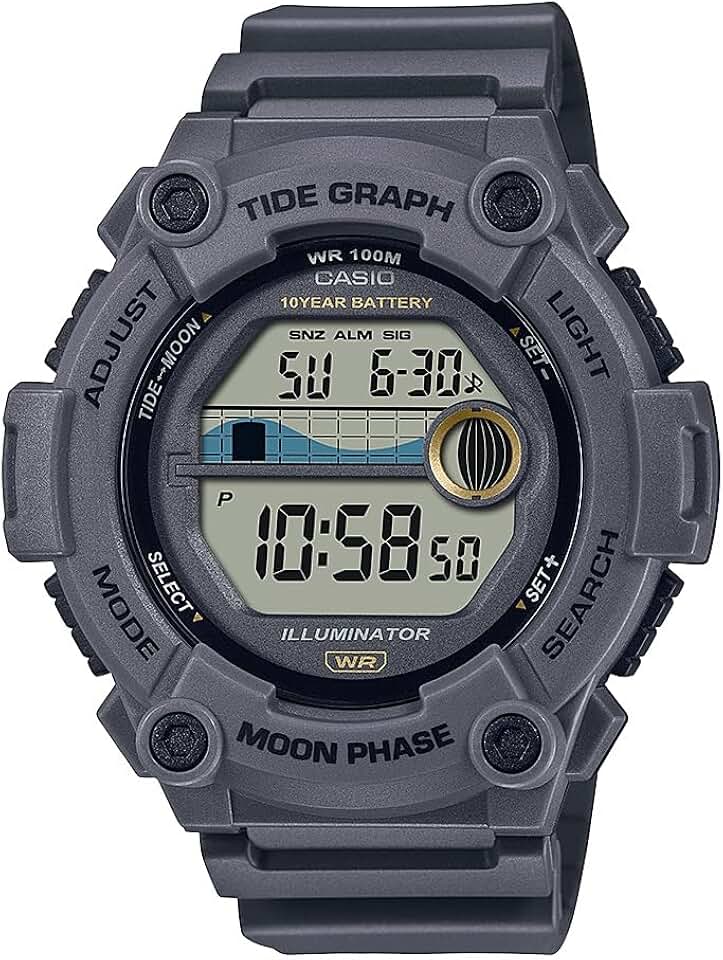
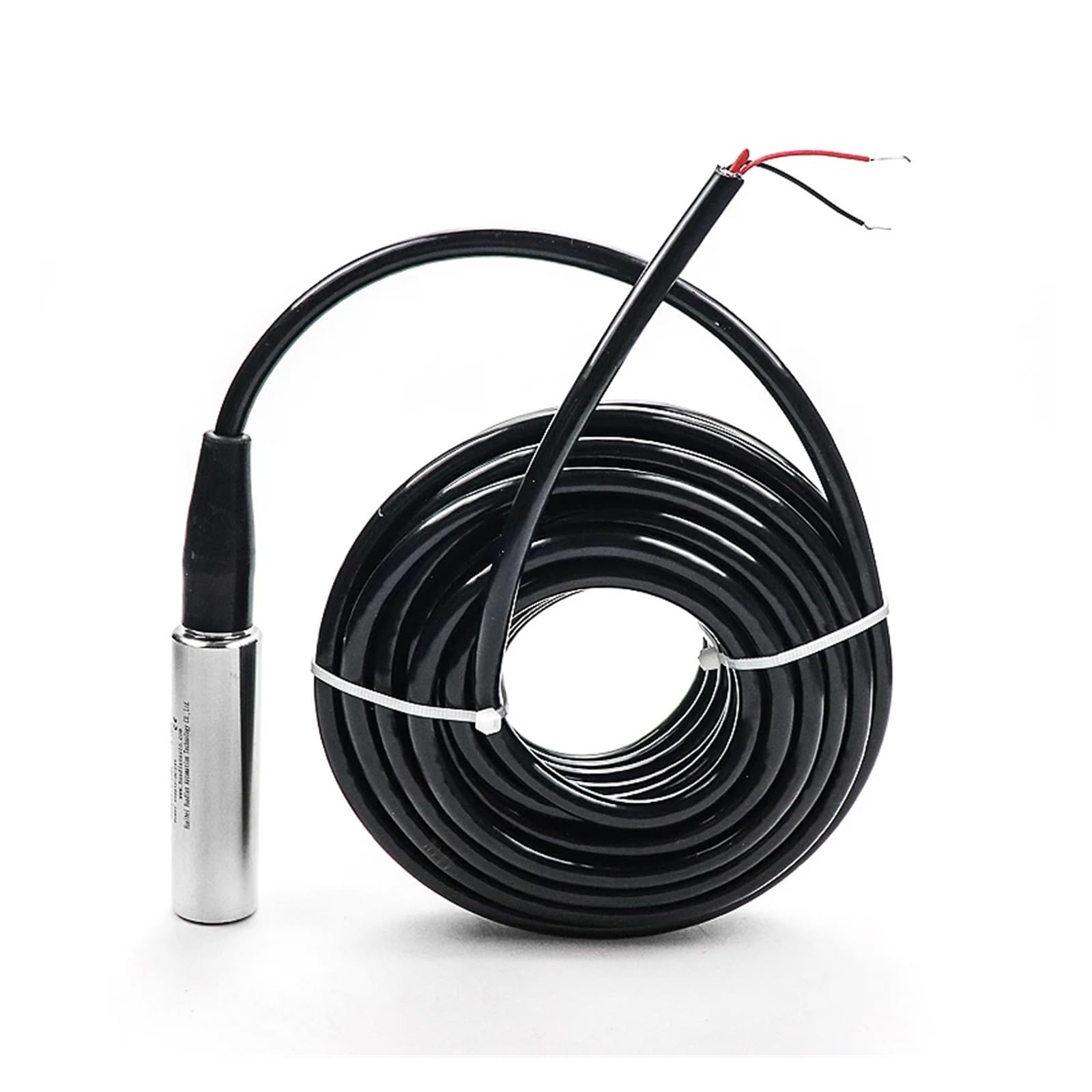
Beach driving technology has moved beyond simple tire pressure gauges into complex digital ecosystems. While GPS apps and tide trackers offer convenience, they introduce new points of failure that can strand you miles from pavement. Before committing to any new system, inspect the hardware and software integration for durability against sand, salt, and vibration.
As an Amazon Associate, we may earn from qualifying purchases.
Costs That Change the Math
Buying a beach driving setup is often just the first expense. The real cost comes from the specialized maintenance that sand and salt demand. Standard automotive care doesn't cut it here. If you treat a sand-rated vehicle like a daily commuter, you will pay for it in premature wear and unexpected repairs.
The Hidden Maintenance Tax
Sand is abrasive and finds its way into places it shouldn't be. It grinds down seals, clogs air filters, and accelerates corrosion on undercarriage components. Salt air acts as a catalyst, turning minor rust spots into structural issues faster than inland driving ever would. You need to budget for more frequent inspections and specific cleaning protocols that go beyond a standard car wash.
When Cheap Stops Being Cheap
A lower upfront price often masks higher long-term costs. Vehicles not designed for off-road or beach use may lack the necessary ground clearance, reinforced suspension, or corrosion-resistant materials. When these limitations hit, the repair bills for damaged differentials, broken axles, or rusted frames can easily exceed the initial savings. Always calculate the total cost of ownership, including anticipated maintenance, before committing to a purchase.
Essential Gear for Longevity
Investing in proper equipment pays dividends. High-quality tire covers protect against UV degradation when parked on sand. Corrosion inhibitors and frequent rinsing with fresh water after every beach trip are non-negotiable. These small habits prevent the slow, expensive damage that accumulates over a season.


As an Amazon Associate, we may earn from qualifying purchases.
The goal is to keep the vehicle running smoothly without breaking the bank. By understanding where costs creep in, you can make smarter choices about both your vehicle and your maintenance routine.
Common questions
Beach driving requires a specific blend of technology and caution. The 2026 models we reviewed integrate GPS, tide tracking, and sand condition monitoring to reduce the guesswork. Here are the practical answers to the most common concerns.
Can I trust GPS apps for beach navigation?
GPS apps are helpful for mapping the shoreline, but they are not enough on their own. Sand shifts constantly, and a route that was clear last week might be impassable today. Use GPS to find access points and general boundaries, but always verify the path with visual inspection. Relying solely on digital maps can lead to getting stuck in soft sand or unexpected tide zones.
How do tide trackers prevent getting stranded?
Tide trackers are critical for safety and vehicle recovery. Even if the water isn’t visible, rising tides can cut off your exit route within minutes. Most 2026 systems sync with local NOAA data to provide real-time alerts. Always check the tide table before you start your engine and keep the tracker active throughout your drive. It’s the difference between a fun day out and a costly tow.
What do sand condition monitors actually measure?
Sand condition monitors use sensors to detect moisture content and surface hardness. Wet, packed sand near the waterline offers better traction, while dry, loose sand can cause rapid wheel spin and digging. These systems provide immediate feedback on tire pressure adjustments. Lowering your PSI is often necessary, but the monitor tells you exactly when to stop and when to reinflate.
Do these systems work in all types of sand?
Performance varies by terrain. Monitors are most effective on firm, packed sand and wet shorelines. They struggle with deep, dry dunes or rocky surfaces where sensor data can be inconsistent. Always have a spotter when driving in unfamiliar or extreme conditions. Technology assists your judgment; it doesn’t replace it.
No comments yet. Be the first to share your thoughts!