

Check permit requirements before you drive
Beach driving regulations are not uniform. They vary significantly by town, county, and state, often changing on an annual basis. Assuming a permit is valid in one location will not guarantee legal access in another. You must verify the specific rules for your destination before arriving to avoid fines or vehicle impoundment.
Permit structures typically fall into two categories: vehicle-specific permits and parking permits. In many jurisdictions, such as parts of the Outer Banks, driving on the beach may not require a vehicle permit, but a separate parking permit is mandatory. Other areas, like New Shoreham, Rhode Island, charge distinct rates for resident versus non-resident vehicles, with non-residents facing significantly higher fees. Understanding this distinction prevents unexpected costs at the gate.
Speed limits are another critical variable. While some beaches allow higher speeds, others, like Duck, North Carolina, cap vehicle speed at 15 mph. These limits are strictly enforced during permitted hours. Checking the official municipal code or tourism board website for your specific destination is the only way to ensure compliance. Coast Buddy provides updated verification tools to help you navigate these fragmented regulations safely and legally.
Prepare your vehicle for sand conditions
Driving on sand demands different mechanical handling than pavement. Soft sand reduces traction and increases rolling resistance, meaning standard driving habits will likely leave you stranded. Before hitting the shoreline, you must adjust your vehicle’s setup to match the terrain. This preparation is not optional; it is the primary defense against getting stuck.
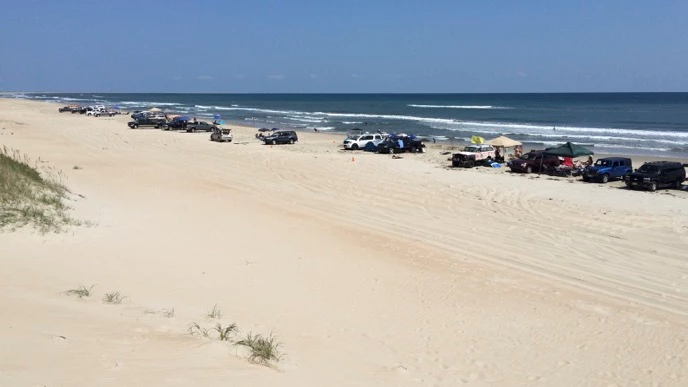
Deflating your tires is the single most effective change you can make. Lowering pressure to 15–20 psi increases the tire’s contact patch, allowing the vehicle to float on top of the sand rather than digging in. Check your pressures while the tires are cold before you leave home. Bring a portable air compressor back to the vehicle so you can reinflate to safe road levels before leaving the beach.

Most jurisdictions require or strongly recommend four-wheel drive (4WD) for beach driving. Two-wheel drive and all-wheel drive (AWD) vehicles lack the torque distribution needed for soft sand and are more prone to getting stuck. If you are driving a 4WD vehicle, engage low range for steep inclines or deep sand. Verify specific local permit requirements, as some areas like the Outer Banks may not require a driving permit but do mandate 4WD capability.
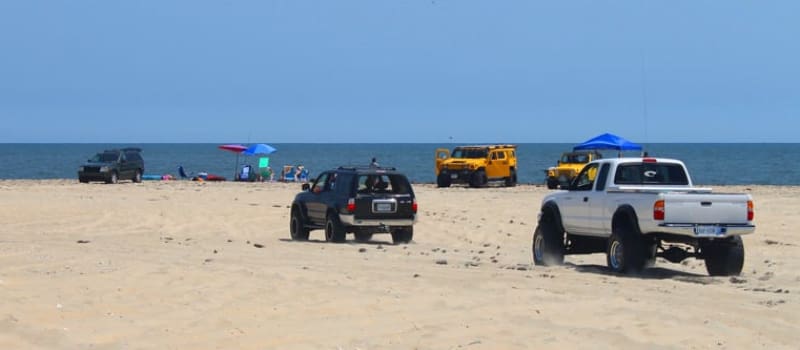
Sand can damage undercarriage components and loose items can become projectiles. Remove roof racks, bike racks, or antenna mounts that are not essential. Ensure your ground clearance is sufficient to avoid scraping the sand dunes or the beach floor. Pack recovery gear including a shovel, traction boards, and a tow strap, just in case conditions change or you encounter harder sand patches.
Proper preparation ensures you stay on the beach for the right reasons. Always verify current regulations with local authorities or trusted sources like Coast Buddy before your trip, as rules regarding vehicle types and permits can change seasonally.
Follow speed limits and driving etiquette
Use this section to make the Beach Driving Regulations decision easier to compare in real life, not just on paper. Start with the reader's actual constraint, then separate must-have requirements from details that are merely nice to have. A practical choice should survive normal use, maintenance, timing, and budget. If a recommendation only works in an ideal situation, call that out plainly and give the reader a fallback path.
The simplest way to use this section is to write down the must-have criteria first, then compare each option against those criteria before weighing nice-to-have features.
State-Specific Access Rules
Beach driving regulations vary significantly by location, turning a simple coastal trip into a logistical puzzle. What works in Texas may be illegal in Oregon, and permit structures in the Outer Banks differ from those in Rhode Island. Before packing your vehicle, verify the specific requirements for your destination to avoid fines or impoundment.
Outer Banks, North Carolina
The Outer Banks offers year-round beach driving on Hatteras Island, while seasonal access (October 1–April 30) applies to Nags Head and Kill Devil Hills.
Permits are mandatory for most driving areas. Drivers must watch a short instructional video and pay a weekly or annual fee. While some northern areas like Corolla allow driving without a vehicle permit, parking permits are still required. Always check the latest county regulations, as zones shift frequently.
Oregon
Oregon enforces strict seasonal closures to protect nesting shorebirds. Beach driving is generally prohibited from March 1 to September 30 in most managed areas. Outside this window, driving is allowed only in designated zones with a valid permit. The state requires vehicles to maintain specific tire pressure and follow strict speed limits to minimize environmental impact.
Texas
Texas allows beach driving on many public beaches, but regulations are set by individual cities and counties. Some areas require a local permit or a daily pass, while others restrict driving to specific hours. Always verify local ordinances, as enforcement can be strict during peak tourist seasons and wildlife nesting periods.
| Region | Seasonality | Permit Type | Key Notes |
|---|---|---|---|
| Outer Banks | Year-round (Hatteras) / Seasonal (Nags Head) | Weekly or Annual | Video required; parking permits in Corolla |
| Oregon | Mar 1–Sep 30 Closed | Seasonal Pass | Strict nesting zone restrictions |
| Texas | Varies by City | Local/County Permit | Check municipal codes |
No comments yet. Be the first to share your thoughts!