

Check local permit requirements first
Beach driving is not a universal right; it is a regulated privilege that changes with every mile of coastline. Before you pack your gear or check your tire pressure, you must determine if the specific stretch of sand you intend to drive on actually allows vehicles, and under what conditions.
Laws are hyper-local. A permit valid in one county may be illegal five miles down the road. In many jurisdictions, such as Gulf County, Florida, driving without a permit is strictly prohibited and enforced by local authorities. Similarly, towns like New Shoreham, Rhode Island, require specific vehicle permits with fees that vary based on residency status.
Start your search with the county tax collector or parks department for the specific beach you plan to visit. These offices issue the actual permits and can tell you if seasonal restrictions apply. Some areas only allow driving during low tide, while others require a 4x4 vehicle with specific tire pressure levels. Ignoring these nuances can result in heavy fines or having your vehicle towed from the sand.
Once you confirm that driving is legal in that zone, purchase the permit from the official source. Do not rely on third-party aggregators or verbal assurances from other drivers. The local government is the only entity that can grant you legal access to the beach road.
Secure your beach driving permit
Driving on the beach without proper documentation is a quick way to end your trip with a hefty fine. The process is straightforward but varies significantly by location. Most coastal jurisdictions require a permit issued by the local tax collector or parks department. You must obtain this permit before you enter the sand.
1. Check local regulations and eligibility
Not all beaches allow vehicle access, and those that do often restrict it to specific zones or seasons. Before purchasing anything, verify the current rules for your destination. Some areas, like parts of the Outer Banks in North Carolina, require a short safety video or online orientation before you can buy a permit. Other locations, such as New Shoreham, Rhode Island, differentiate rates based on whether you are a resident or a visitor.
2. Purchase the permit
Permits are typically sold through county tax collector offices or official state park websites. Fees vary widely; for example, Gulf County, Florida, requires you to get the permit from the Tax Collector's Office before driving on the beach. In New Shoreham, resident vehicles pay $100 while non-residents pay $200. Always buy from an official government source to avoid scams. Keep a digital copy on your phone and print a physical copy if possible.
3. Display the permit correctly
A permit is useless if you cannot prove you have one. Most jurisdictions require the permit to be displayed prominently on your vehicle, usually on the dashboard or windshield, where it is visible from the outside. Some areas provide a specific decal or sticker that must be placed on the vehicle. Failure to display the permit properly can result in a citation even if you have paid for it.
4. Follow seasonal and time restrictions
Your permit often covers specific dates or times. Many beaches restrict driving during peak tourist seasons to protect wildlife or ensure public safety. For instance, in Corolla, NC, 4x4 access south of a certain point is only permitted between October 1 and April 30. Always double-check the seasonal calendar for your specific beach to ensure your permit is valid for the dates you plan to drive.

Identify the local government body responsible for beach driving permits in your area. This is often the county tax collector, parks department, or a dedicated beach access office. Use official .gov websites to avoid third-party scams.
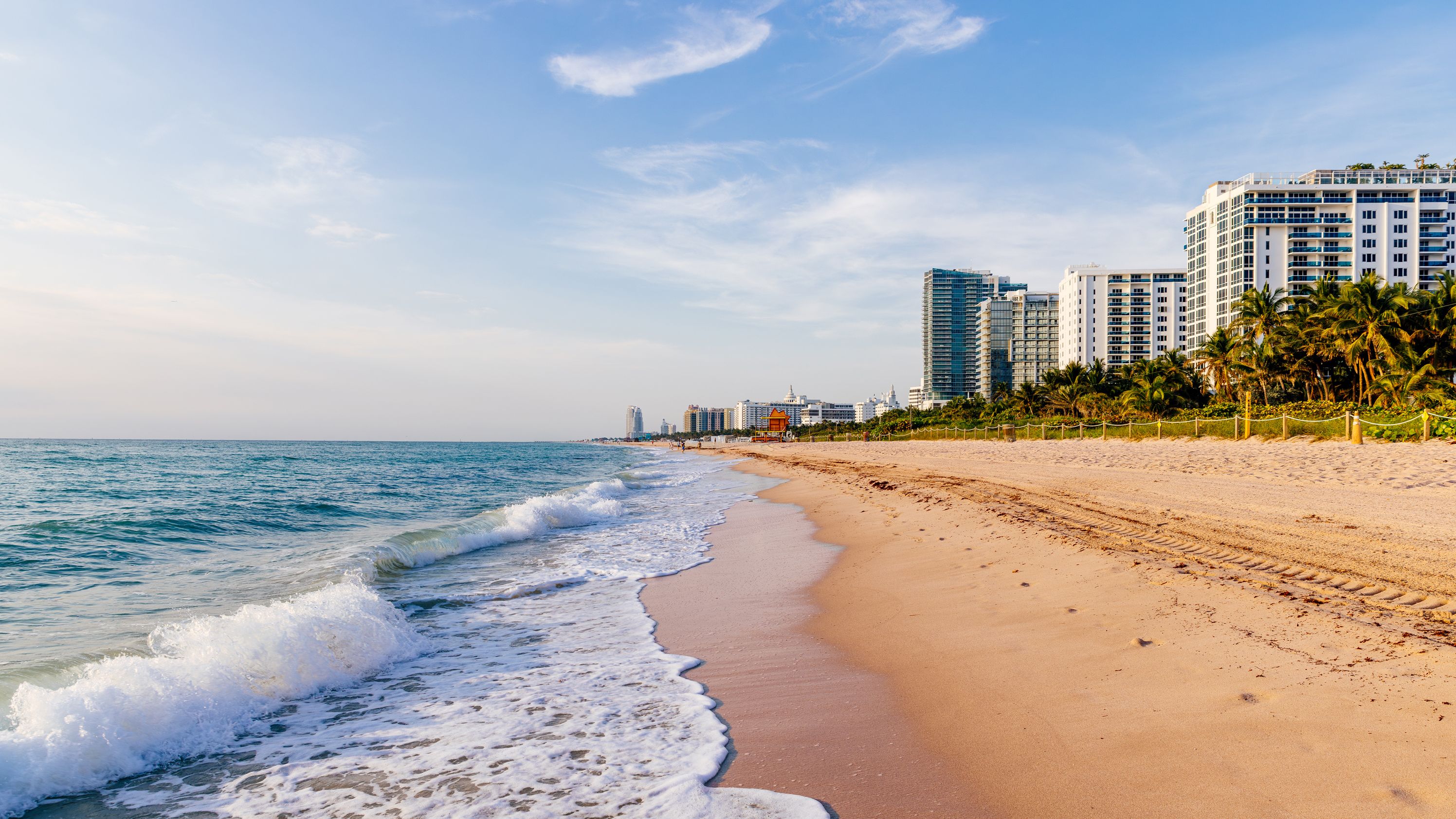
Determine if you qualify for resident rates or if you must pay the higher non-resident fee. Some locations, like New Shoreham, RI, charge $100 for residents and $200 for non-residents. Check if a safety video or orientation is required first, as seen in parts of North Carolina.
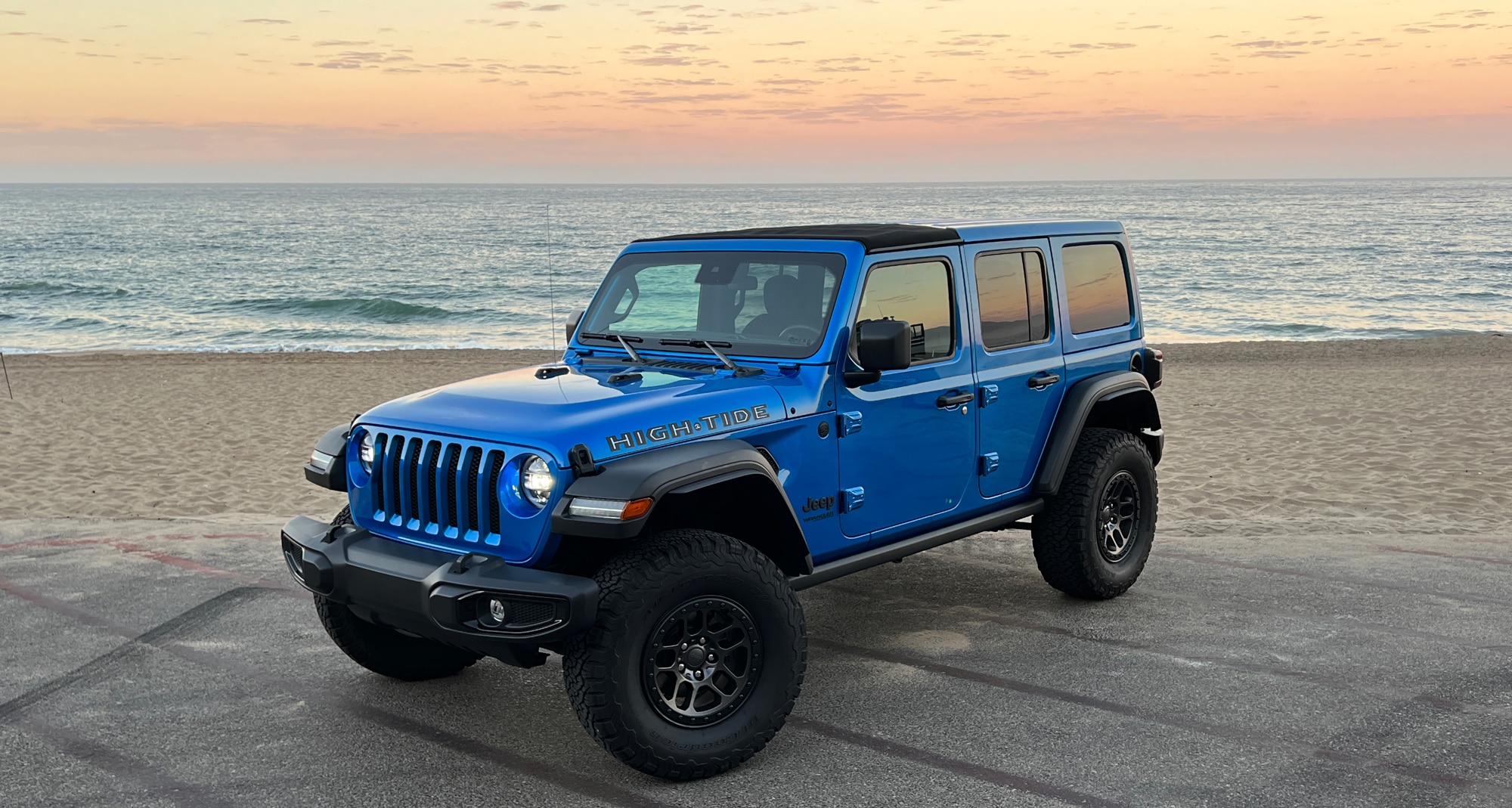
Buy your permit through the official channel. In Gulf County, FL, you must obtain the permit from the Tax Collector's Office. Keep a digital receipt and print a copy if the local rules require a physical display.

Place the permit where it is clearly visible from the outside of your vehicle, typically on the dashboard or windshield. Some areas require a specific decal. Ensure it is secure and not obscured by sun glare or debris.
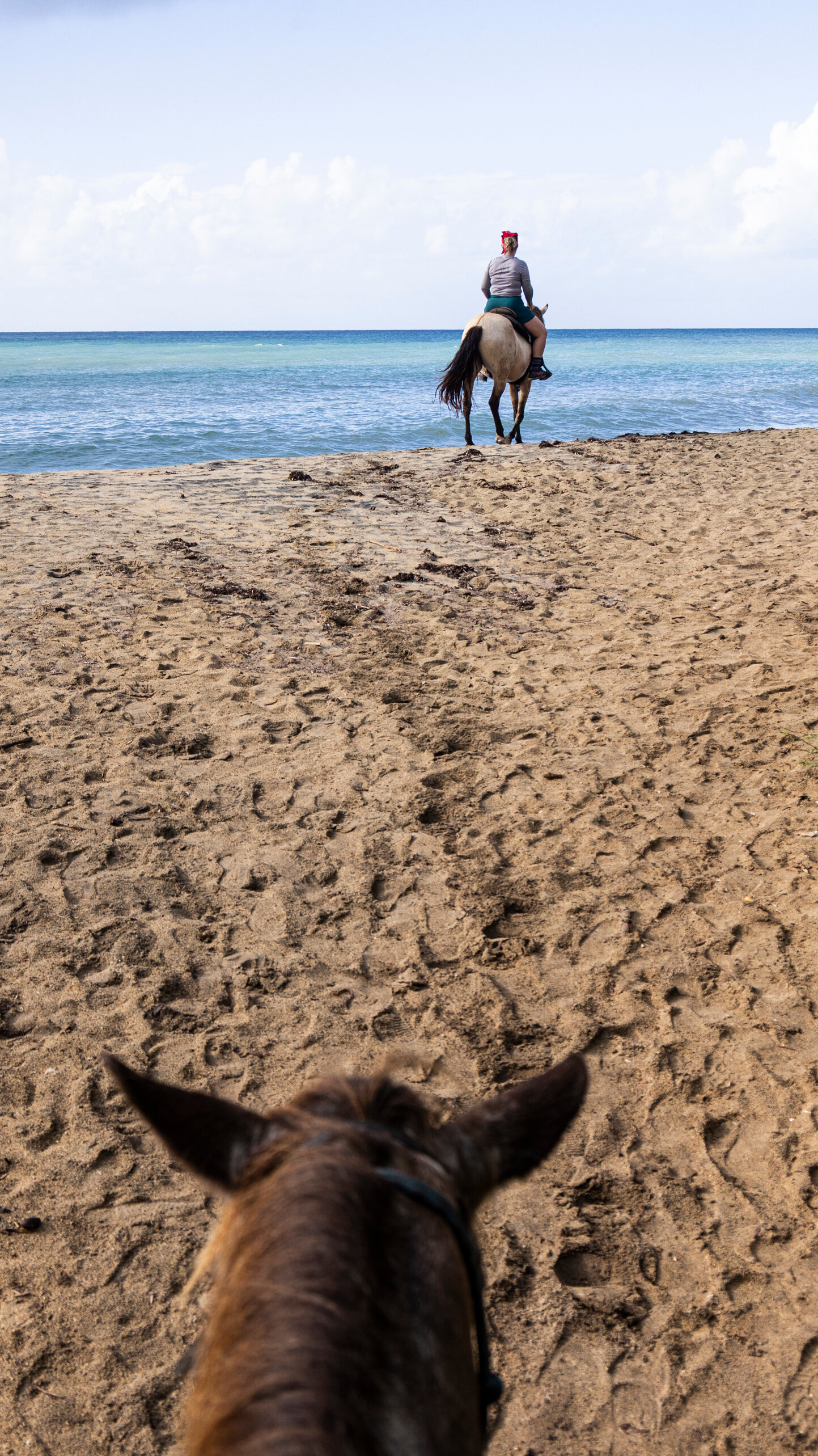
Check if your permit is valid for the specific dates you plan to drive. Many beaches restrict access during peak seasons or require permits only for certain times of day. For example, some areas in Corolla, NC, only allow driving south of a certain point between October and April.
Follow speed and lane restrictions
Driving on sand requires a different approach than pavement. Loose surfaces reduce traction and increase stopping distances, making speed management the most critical safety factor. Most jurisdictions cap beach driving at 15 mph, a limit designed to protect both pedestrians and the fragile dune ecosystem.
Adhere to the 15 mph limit
The 15 mph speed limit is not a suggestion; it is a legal requirement in most coastal areas. Exceeding this speed risks losing control on soft sand and can cause severe damage to nesting sites. Always drive at a pace that allows you to stop safely if a pedestrian or animal steps onto the road.
Stay in designated lanes
Designated driving lanes keep vehicles away from sensitive habitats. Straying off the track can crush dune vegetation, which holds the shoreline together against erosion. Follow the established tire tracks and avoid cutting across the beach to reach a parking spot.
Yield to pedestrians
Pedestrians always have the right-of-way on the beach. Slow down and move to the side of the lane when approaching walkers, swimmers, or families. Never honk to clear a path; patience ensures everyone enjoys the beach safely.
Prepare your vehicle for sand driving
Beach driving demands specific mechanical adjustments. Sand creates high rolling resistance, and a standard tire setup will leave you stranded. Adjusting your tire pressure is the single most effective change you can make to improve traction and prevent your vehicle from digging in.
Lower your tire pressure
Start by letting air out of your tires to increase the contact patch. For most 4x4 vehicles, dropping pressure to 15–20 psi provides the necessary flotation. If you encounter deep, soft sand, you may need to go as low as 12 psi.
Never reinflate your tires to road pressure until you are back on pavement. Driving on sand with high pressure can cause sudden deflation or sidewall damage. Carry a portable air compressor to adjust pressure on the fly and to reinflate before leaving the beach.
Choose the right vehicle
Not all cars are built for sand. A four-wheel-drive (4WD) or all-wheel-drive (AWD) system with low-range gearing is essential for maintaining momentum. Rear-wheel-drive sedans and compact cars lack the torque distribution needed to climb dunes or escape soft spots.
If you are renting a vehicle, ensure it is a dedicated off-roader like a Jeep Wrangler or Toyota 4Runner. Avoid vehicles with low ground clearance, as the uneven sand surface can easily damage the undercarriage.
Pre-drive checklist
Before you launch your vehicle into the surf, run through this quick safety and equipment check:
-
Tire pressure adjusted to 15–20 psi
-
Recovery gear secured (shovel, traction boards, tow strap)
-
Water supply doubled for emergency situations
-
Fuel tank at least three-quarters full
-
Battery and alternator checked for corrosion
Proper preparation turns a risky excursion into a manageable adventure. Take the time to adjust your setup, and the beach will reward you with open space and smooth driving.
Understand seasonal access windows
Beach driving permits often come with strict seasonal windows. These restrictions exist to protect nesting sea turtles and shorebird habitats during critical breeding periods. You must verify whether your destination is open year-round or limited to specific months.
In Corolla, North Carolina, access rules shift based on direction. Driving north of the paved road end is permitted year-round. However, access south of that point is restricted to October 1 through April 30. This ensures the dunes remain undisturbed during peak nesting season.
Currituck County also enforces time-of-day limits during the busy season. Between Mileposts 14.5 and 17, vehicles must use designated lanes adjacent to the dune line. Access is typically allowed only between 9:00 am and 5:00 pm from the Friday before Memorial Day through Labor Day. Always check the county’s official beach parking page for the most current lane maps and hours.
Common questions about beach driving
These answers address the most frequent questions from drivers planning a trip to the Outer Banks or similar coastal destinations. Always check local municipal codes, such as those in Duck, NC, for specific speed limits and vehicle requirements before heading out.
No comments yet. Be the first to share your thoughts!