

Get beach driving safety right
Use this section to make the Essential Beach Driving Safety Tips for Off-Road Sand Adventures decision easier to compare in real life, not just on paper. Start with the reader's actual constraint, then separate must-have requirements from details that are merely nice to have. A practical choice should survive normal use, maintenance, timing, and budget. If a recommendation only works in an ideal situation, call that out plainly and give the reader a fallback path.
The simplest way to use this section is to write down the must-have criteria first, then compare each option against those criteria before weighing nice-to-have features.
Work through the steps
Essential Beach Driving Safety Tips for Off-Road Sand Adventures works best as a clear sequence: define the constraint, compare the realistic options, test the tradeoff, and choose the path with the fewest hidden costs. That order keeps the advice usable instead of decorative. After each step, pause long enough to check whether the recommendation still fits the reader's actual situation. If it depends on perfect timing, unusual access, or a best-case budget, include a simpler fallback.

Fix common beach driving mistakes
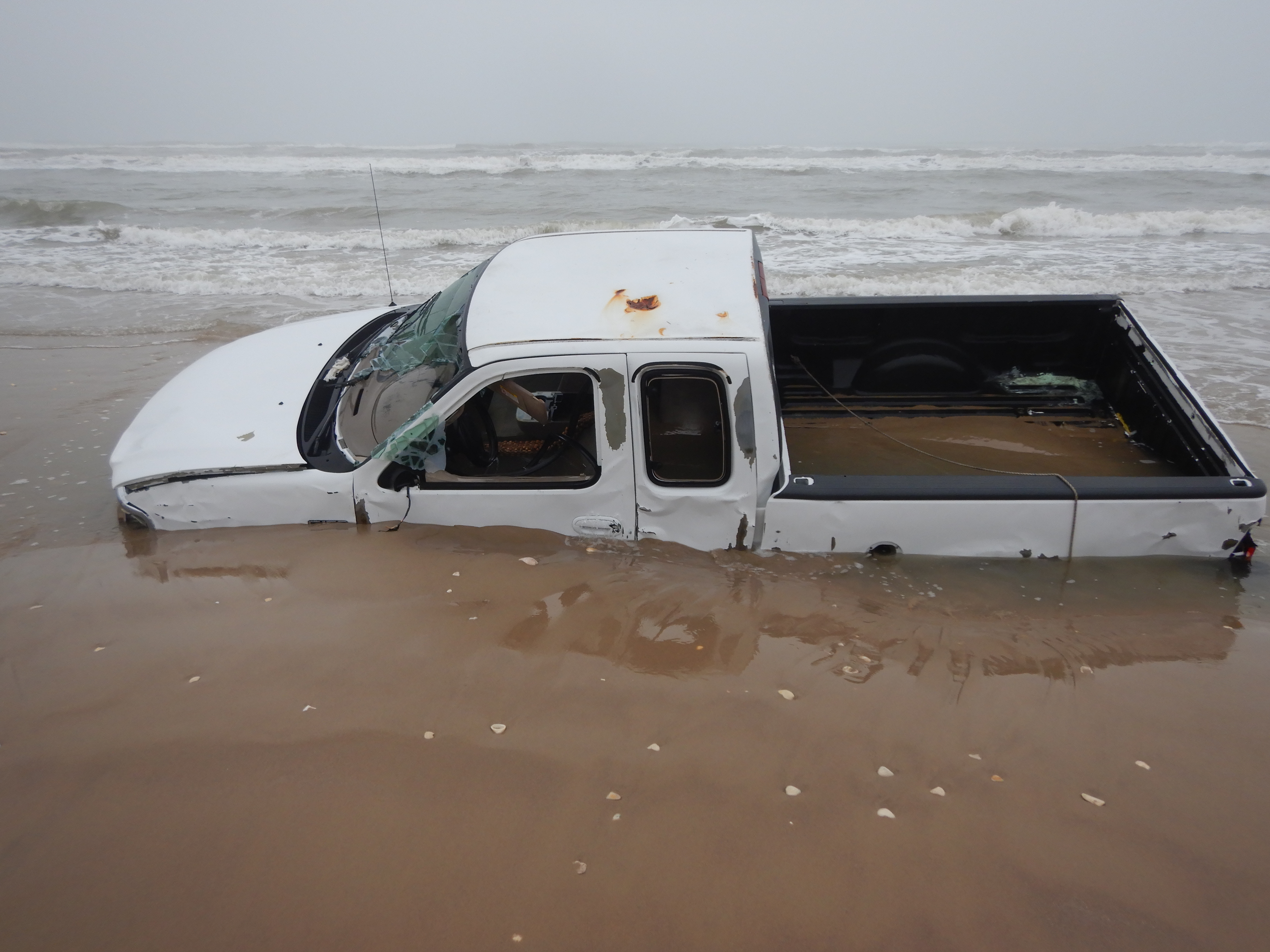
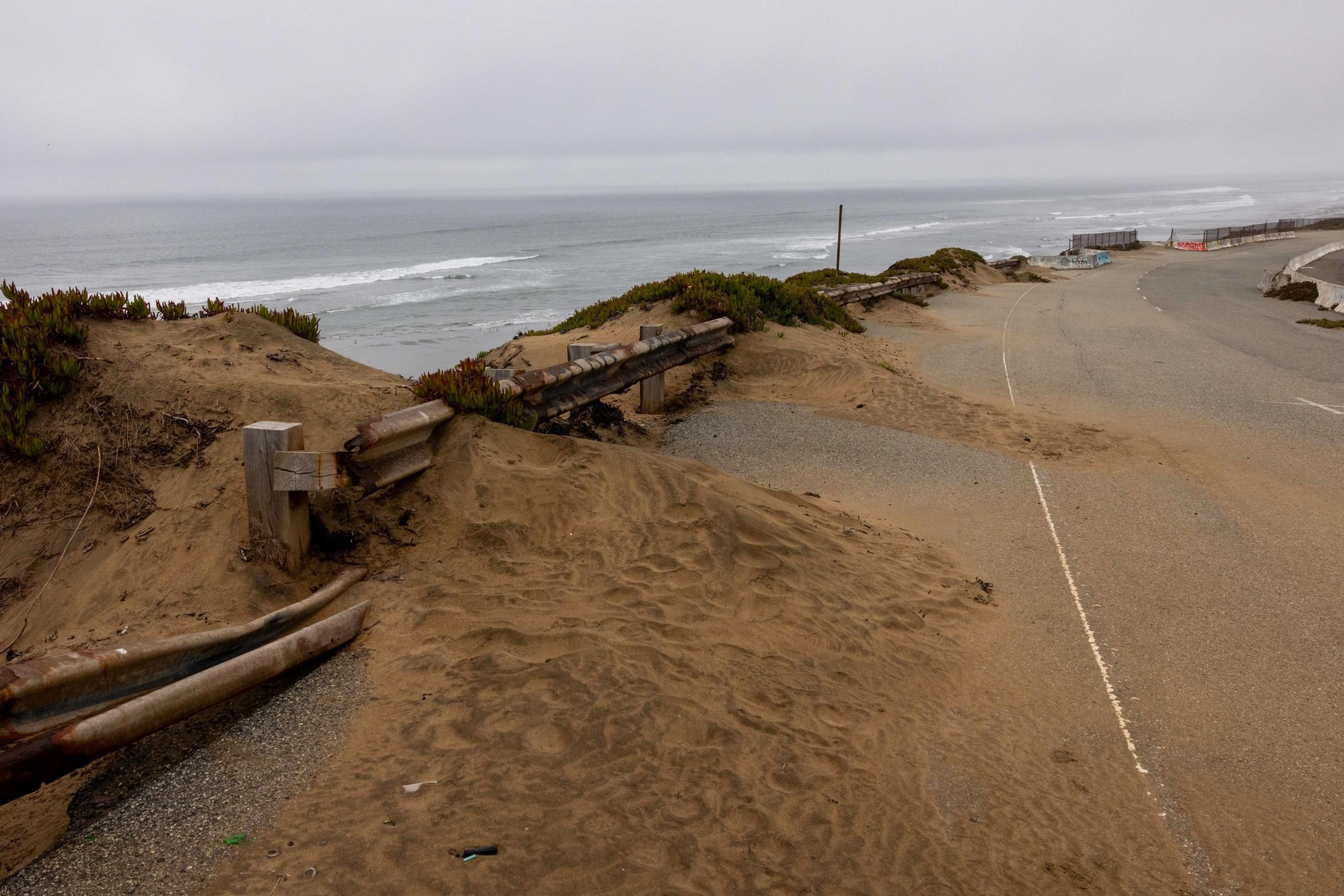
Most beach recoveries start with a preventable error. Drivers often treat soft sand like pavement, leading to bogging, vehicle damage, or safety hazards. Identifying these pitfalls early helps you stay mobile and respectful of other beach users.
Ignoring tire pressure adjustments
Driving on sand with standard tire pressure is the fastest way to get stuck. High pressure creates a small contact patch, causing tires to cut into the sand rather than float on top. This increases rolling resistance and makes steering difficult.
Lowering pressure increases the footprint, distributing weight more evenly. Most 4WD guides recommend dropping to 15-20 PSI, depending on vehicle weight and sand consistency. Always reinflate before returning to hard pavement to prevent tire damage.
Stopping in traffic lanes
Beaches often double as thoroughfares. Stopping in designated lanes to set up chairs, dig holes, or take photos blocks traffic and creates dangerous situations. This not only frustrates other drivers but also violates local beach driving regulations.
Always pull completely off the main track into a designated parking or camping area. If you must stop for a mechanical issue, move as far off the track as possible and use hazard lights. Keep the flow of traffic moving to ensure everyone’s safety.
Driving too close to the water
Many drivers assume the wettest sand is always the best, but driving too close to the tide line is risky. The water table can change rapidly, and wet sand near the surf can be deceptive—soft and unstable even if it looks firm. Additionally, this area is often ecologically sensitive.
Stay between the high tide mark and the main traffic lanes. Follow existing tire tracks to find compacted sand that offers better traction. This zone provides a balance of stability and safety, minimizing the risk of getting stranded by rising tides.
Rushing speed changes
Sudden acceleration or braking on loose sand can cause loss of control. Spinning tires dig holes, while hard braking locks wheels or causes skidding on the uneven surface. Smooth inputs are essential for maintaining momentum and stability.
Accelerate and decelerate gradually. Use a lower gear to maintain steady momentum without over-revving the engine. If you feel the vehicle slowing, ease off the throttle and let momentum carry you forward rather than pressing harder on the gas.
Beach driving safety: what to check next
Beach driving is forgiving if you respect the sand’s limits. Use this section to clear up common doubts before you hit the dunes.
These guidelines keep your adventure safe and respectful to other beach users.
No comments yet. Be the first to share your thoughts!