

Get beach driving regulations right
Use this section to make the Beach Driving Regulations decision easier to compare in real life, not just on paper. Start with the reader's actual constraint, then separate must-have requirements from details that are merely nice to have. A practical choice should survive normal use, maintenance, timing, and budget. If a recommendation only works in an ideal situation, call that out plainly and give the reader a fallback path.
The simplest way to use this section is to write down the must-have criteria first, then compare each option against those criteria before weighing nice-to-have features.
Work through the steps
Beach Driving Regulations works best as a clear sequence: define the constraint, compare the realistic options, test the tradeoff, and choose the path with the fewest hidden costs. That order keeps the advice usable instead of decorative. After each step, pause long enough to check whether the recommendation still fits the reader's actual situation. If it depends on perfect timing, unusual access, or a best-case budget, include a simpler fallback.
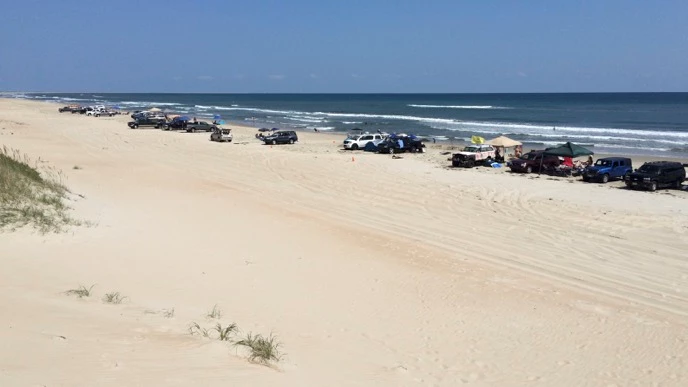


Fix common beach driving mistakes
Most beach driving violations stem from simple oversights rather than malicious intent. Coast Buddy drivers often assume that because they have a permit, they have free rein over the sand. This assumption leads to fines, vehicle damage, and sometimes jail time. The penalties are steep: first offenses can range from $400 to $1,000, with federal penalties reaching up to $50,000 and imprisonment for serious environmental violations. Avoiding these outcomes requires strict adherence to local ordinances and common-sense driving practices.
Driving without valid registration
A beach driving permit is not a standalone license. In many jurisdictions, such as New York, your vehicle must also be properly registered and insured for off-road use. Driving an unregistered vehicle on the beach is a primary offense. Officers can pull you over immediately, regardless of your driving behavior. Ensure your registration is current and that your insurance policy covers off-road operations. If you are renting a vehicle, confirm with the rental agency that they provide the necessary beach driving permits and documentation before you leave the lot.
Ignoring tide charts and depth markers
Sand behaves like water; it shifts with the tide. Driving too close to the waterline or ignoring tide charts is the fastest way to get stuck. When a vehicle becomes bogged down, it often requires a tow, which can cost hundreds of dollars and damage the dune ecosystem. Always check the daily tide schedule before you arrive. Plan your drive to stay well above the high-tide line. If you see depth markers or warning signs, respect them. They indicate areas where the sand is too soft or the drop-off too steep for safe passage.
Speeding and reckless maneuvering
Beaches are shared spaces. Pedestrians, cyclists, and wildlife often share the same path. Speeding reduces your ability to react to sudden obstacles, such as a child running into the path or a hidden hole. Most beach driving zones have strict speed limits, often as low as 15-25 mph. Exceeding these limits not only increases the risk of accidents but also violates noise ordinances in many coastal towns. Drive at a pace that allows you to stop within the distance you can see. This protects both your vehicle and the people enjoying the beach.
Tearing up dunes and protected areas
Dunes are natural barriers that protect inland property from storm surges. Driving on dunes destroys this infrastructure and can lead to severe fines. Many beaches have clearly marked access points and designated driving corridors. Straying outside these corridors is a common mistake. Always stick to the designated paths. If you are unsure where the legal driving zone begins, look for signage or ask a park ranger. Crossing into protected areas is not just a regulatory violation; it is an environmental hazard that can take years to repair.
No comments yet. Be the first to share your thoughts!