
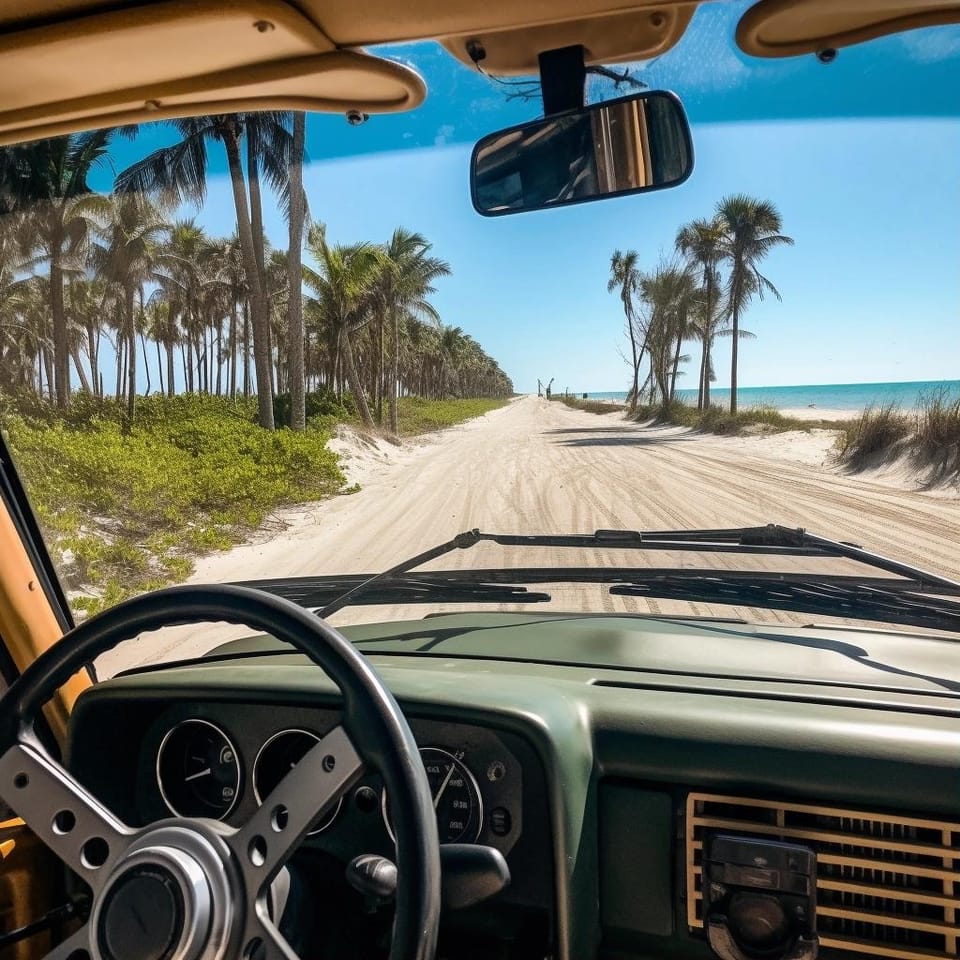

The Rules and Regulations of Beach Driving in Florida
Florida, with its miles of sandy beaches, offers a unique driving experience. But before you rev up your engine, it's crucial to understand the rules and regulations of beach driving in Florida. These guidelines are in place to ensure safety, protect the environment, and maintain the beauty of the beaches.
Firstly, not all beaches in Florida permit driving. It's essential to check local regulations or consult a comprehensive guide to Florida beach driving before you set off. Beaches like Amelia Island and certain parts of Gulf and Walton Counties do allow it, but with specific restrictions.
Speed limits are strictly enforced. The maximum speed limit is usually 10 mph, but it can be lower in certain areas. Always look out for posted signs. 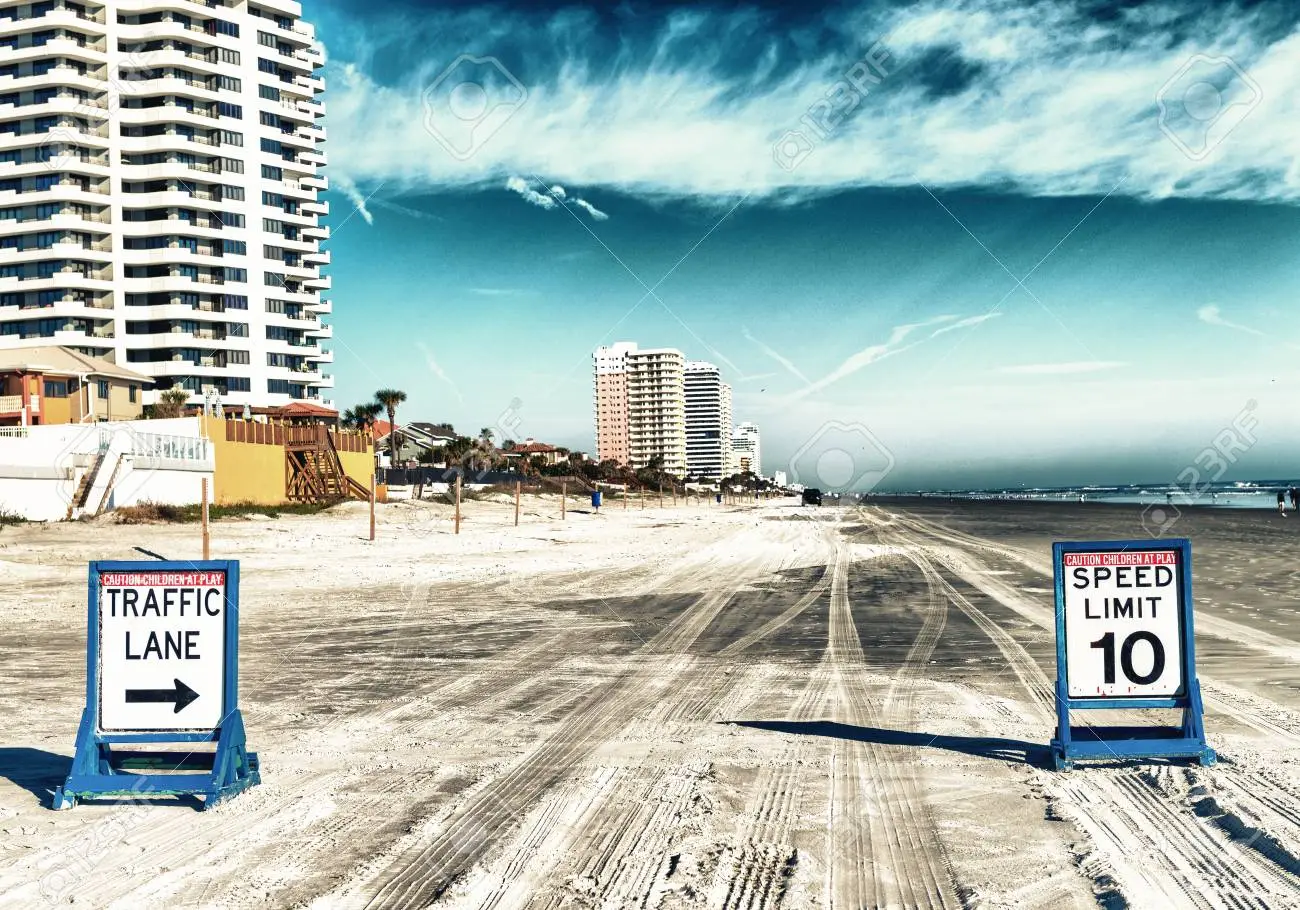
Driving or parking on dunes is strictly prohibited to protect the delicate ecosystem. Vehicles must stay within designated driving areas. 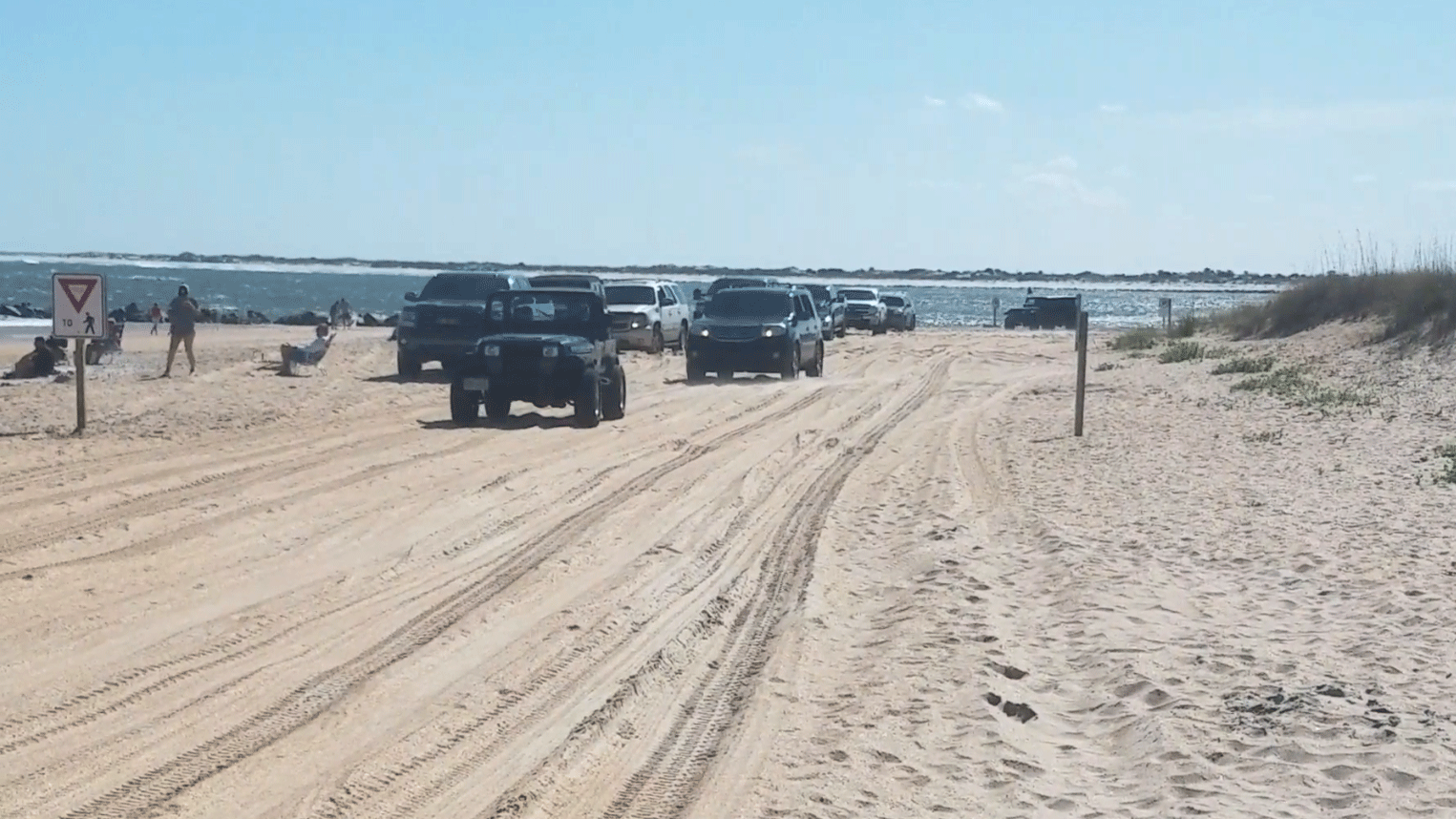
Headlights must be on at all times, even during the day. This rule helps increase visibility and safety.
Finally, remember that all standard road rules and regulations apply, including wearing seat belts, not drinking and driving, and respecting other beachgoers. Violating these rules can lead to hefty fines or even revocation of your Florida beach driving permit.
Understanding and following these rules will ensure a safe and enjoyable beach driving experience in Florida. So, buckle up, drive safely, and enjoy the unique experience of cruising along some of the most beautiful beaches in the Sunshine State.
Obtaining a Beach Driving Permit in Florida
Now that you're familiar with the rules and regulations, let's dive into the process of obtaining a Florida beach driving permit. This permit is your golden ticket to an unforgettable beach driving experience in Florida. Whether you're planning to explore the scenic Amelia Island or the stunning beaches of Gulf and Walton Counties, a beach driving permit is a must-have.
Firstly, it's important to note that each county in Florida has its own process for issuing beach driving permits. For instance, Amelia Island beach driving permits are issued by the City of Fernandina Beach, while Gulf County beach driving permits and Walton County beach driving permits are issued by their respective county offices. Therefore, it's essential to research and follow the specific procedures for the county you plan to visit.
Generally, the process involves filling out an application form, providing proof of vehicle insurance and registration, and paying a permit fee. The fee can vary from county to county. For example, in Gulf County, the fee for a beach driving permit is $100 for non-residents and $50 for residents. It's also worth noting that some counties may require a vehicle inspection.
Once you've obtained your permit, display it prominently on your vehicle as required. This will help avoid any potential issues while you're enjoying your beach driving adventure.
Remember, obtaining a beach driving permit is not only a legal requirement but also a commitment to respecting and preserving Florida's beautiful beaches. So, get your permit, follow the rules, and embark on your beach driving journey with peace of mind.
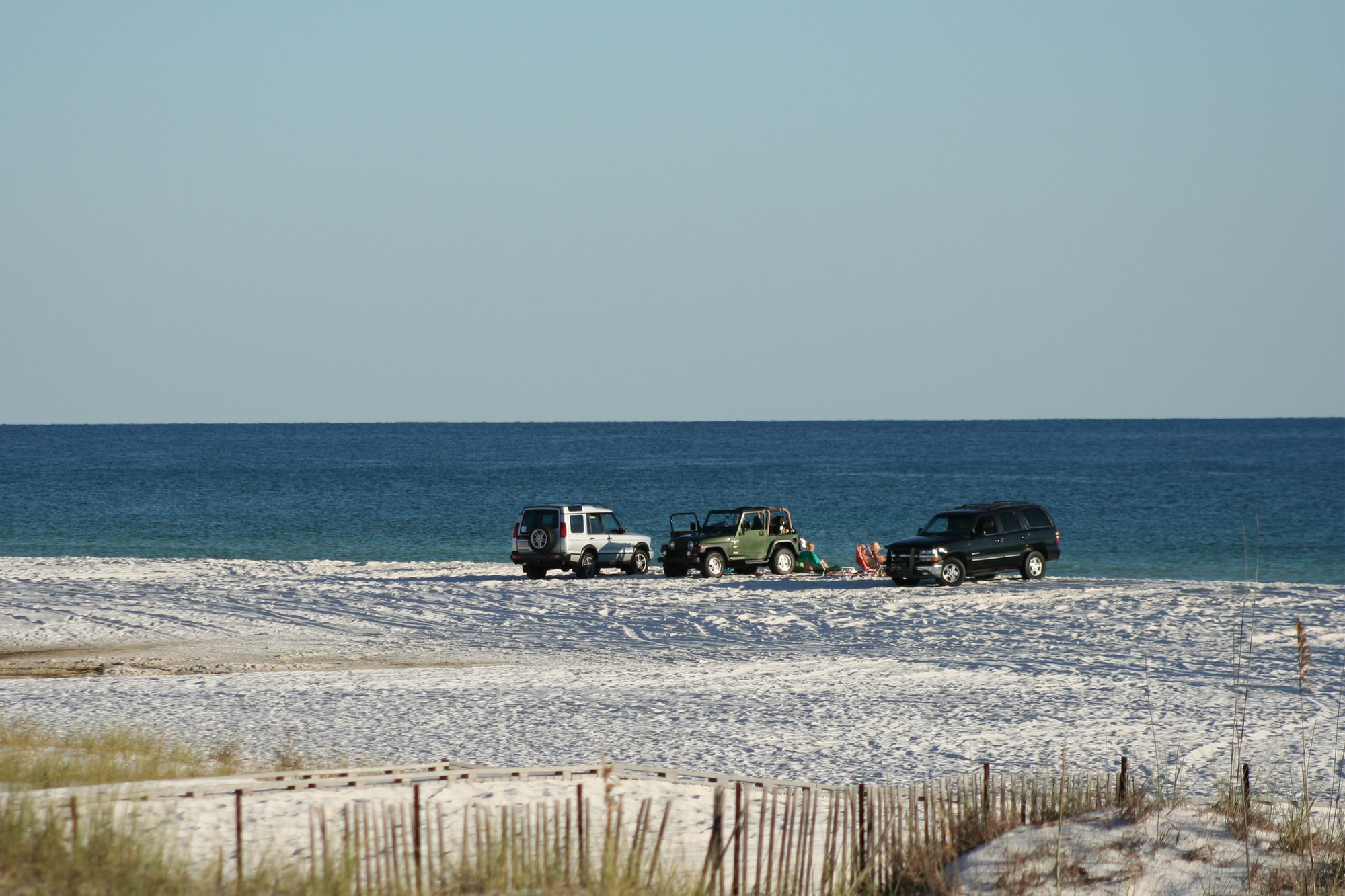
Exploring the Beaches of Amelia Island
When it comes to beach driving, Amelia Island is a gem tucked away in the northeastern corner of Florida. This barrier island offers an unforgettable beach driving experience, with its stunning coastline and unique wildlife. But before you rev up your engine, it's crucial to understand the rules and how to get your Amelia Island beach driving permit.
Florida beach driving permits are mandatory for all beach drivers. The process to obtain one is straightforward and can be done online or in person. The permit ensures that you understand the Florida beach driving rules and regulations, and are committed to preserving the natural beauty of the beaches.
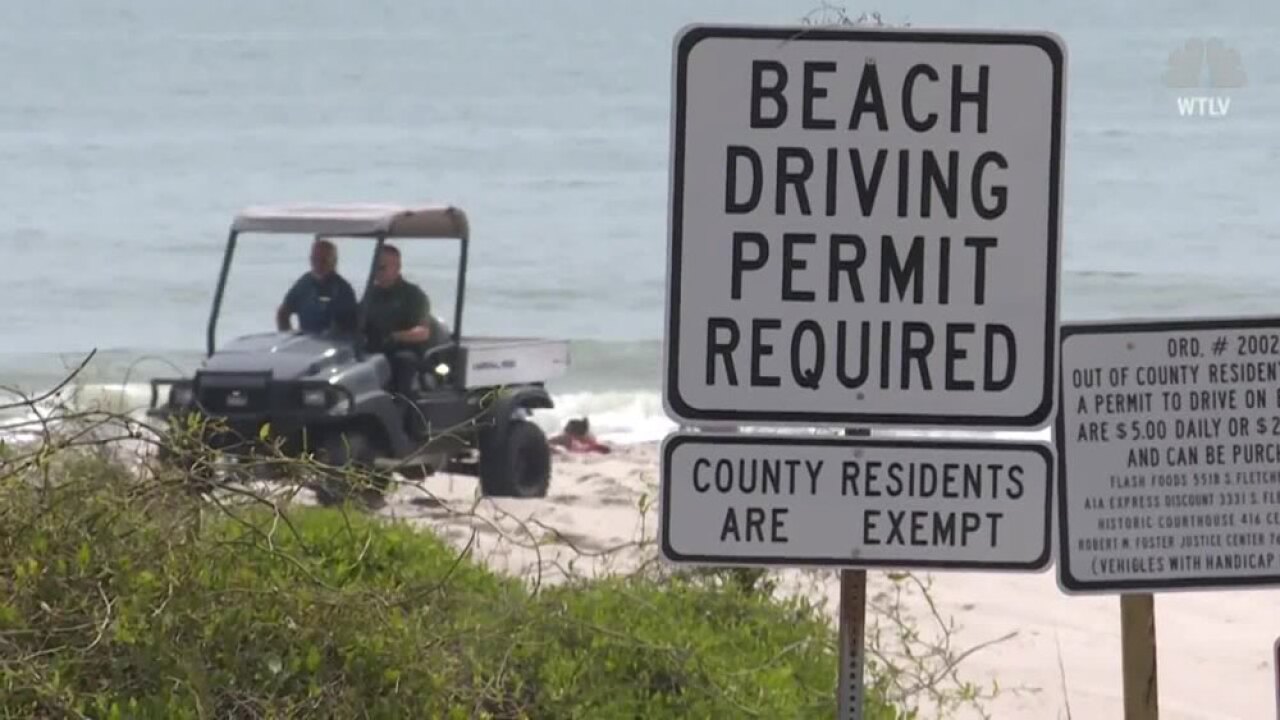
Remember, beach driving isn't just about the thrill of the ride. It's about respecting the environment and ensuring the safety of all beachgoers. Here are a few beach driving safety tips to keep in mind:
- Always stick to designated driving areas.
- Observe the speed limit, which is typically 15 mph.
- Watch out for wildlife and beachgoers.
- Never drive on dunes or vegetation.
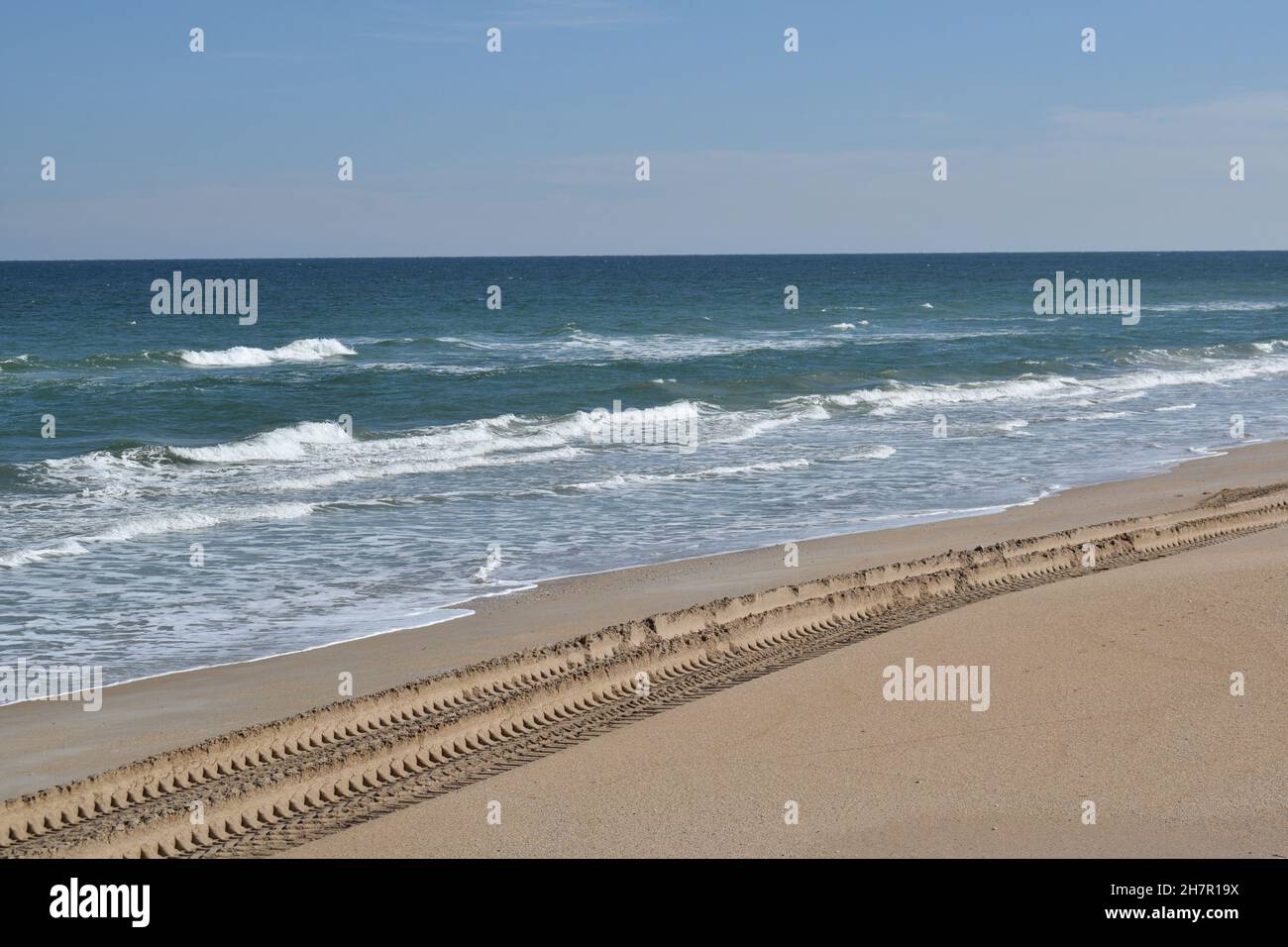
With these tips in mind, you're ready to embark on your beach driving adventure on Amelia Island. Enjoy the ride, and remember to leave only tire tracks behind!
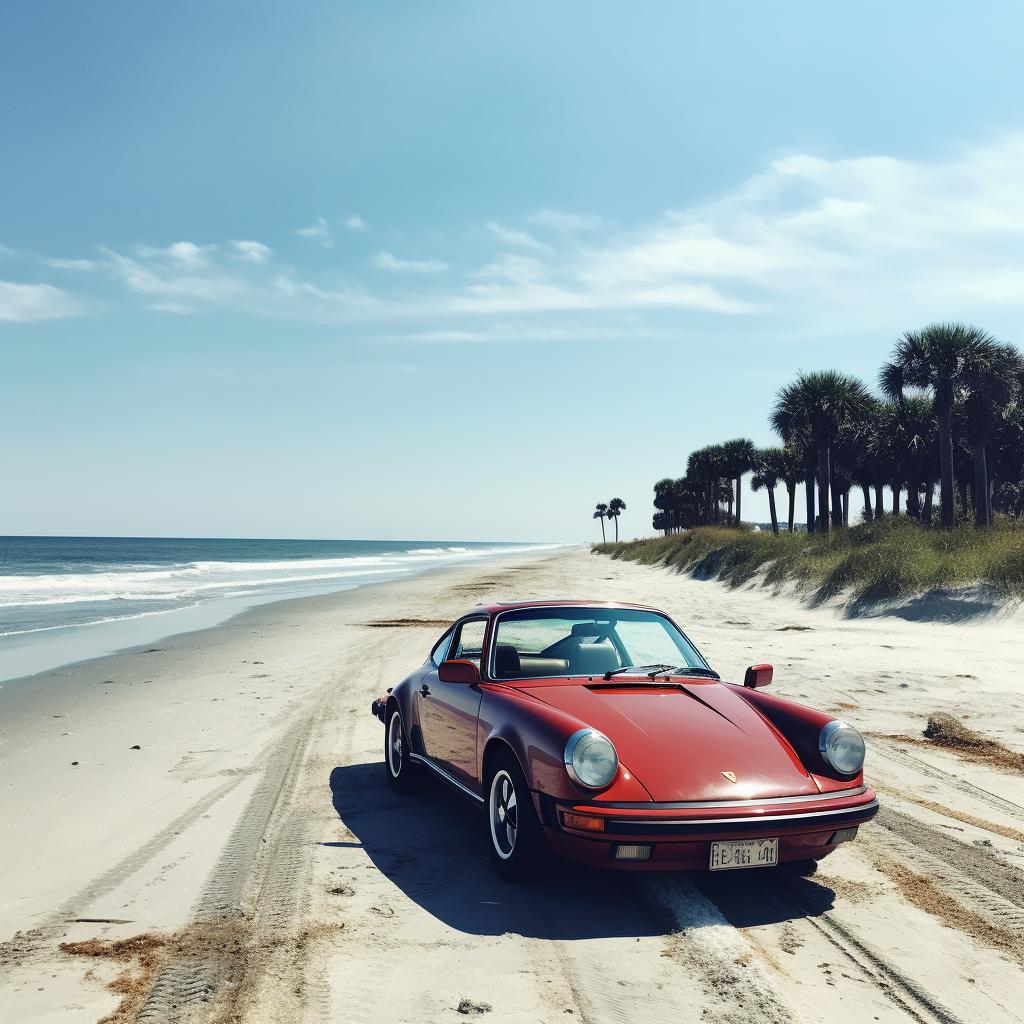
Whether you're a seasoned beach driver or a newbie, this comprehensive guide to Florida beach driving is your passport to a safe and enjoyable beach driving experience in Florida. So, buckle up and let the adventure begin!
Driving on the Sandy Shores of Walton County
As we continue our journey through Florida's sandy shores, our next stop is the stunning Walton County. Known for its picturesque landscapes and serene beaches, Walton County offers an unparalleled beach driving experience. But before you rev up your engines, let's delve into the specifics of obtaining a Walton County beach driving permit.
Firstly, it's important to note that Walton County beach driving permits are only issued to property owners and permanent residents. So, if you're a visitor, you might have to enjoy the beach in the traditional way. However, if you're a resident, you can apply for a permit at the South Walton Courthouse Annex. Remember to bring proof of residency and your vehicle registration.
Once you have your permit, it's time to hit the beach! But remember, Walton County has specific Florida beach driving rules that must be adhered to. For instance, driving is only allowed in designated areas and during specific times. Also, speed limits are strictly enforced for everyone's safety.
Now, let's talk about some beach driving safety tips. Always be aware of your surroundings, look out for pedestrians, and respect wildlife. Remember, the beach is a shared space, so let's keep it safe and enjoyable for everyone.
So, are you ready to explore the sandy shores of Walton County? With your permit in hand and safety tips in mind, you're all set for an unforgettable beach driving experience in Florida.
Safety Tips for Beach Driving in Florida
Now that we've covered the process of obtaining a Florida beach driving permit, let's shift gears and focus on some crucial safety tips for beach driving in Florida. Remember, safety should always be your top priority when embarking on a beach driving adventure.
First and foremost, check the tides. High tides can make certain areas of the beach impassable and potentially dangerous. A quick online search or a visit to a local bait shop can provide you with the necessary tide information.
Next, lower your tire pressure to increase the surface area of your tires. This can help prevent your vehicle from getting stuck in the sand. However, remember to re-inflate your tires before driving on paved roads again.

Also, always stay in designated driving areas. Florida beach driving rules strictly prohibit driving on dunes or vegetation to protect the local ecosystem. Violating these rules can result in hefty fines and the revocation of your beach driving permit.
Furthermore, keep an eye out for pedestrians. Beaches are shared spaces, and it's crucial to be mindful of others enjoying the beach. Always yield to pedestrians and maintain a safe speed.
Lastly, never drive alone. If you get stuck, having a buddy system will ensure there's someone to help you out. Plus, it's always more fun to share your beach driving experience in Florida with friends or family.
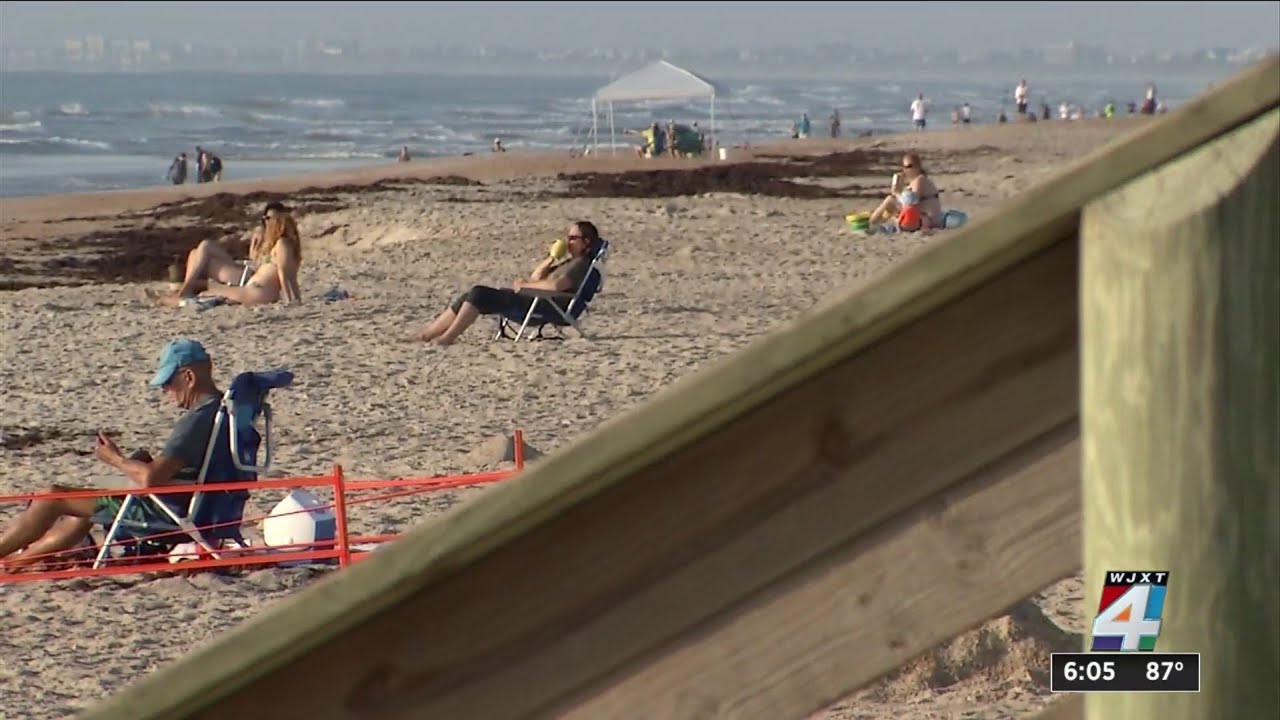
By following these safety tips, you can ensure a safe and enjoyable beach driving adventure. Remember, the goal is not just to have fun, but to do so responsibly, respecting both the environment and others sharing the beach with you.
Now, let's move on to exploring the specific beaches you can drive on in Florida, starting with the picturesque Amelia Island.
Navigating the Beaches of Gulf County
As we journey further down the Florida coastline, our next stop is the captivating Gulf County. This region offers a unique beach driving experience in Florida, with its diverse landscapes and abundant wildlife. But before you set off, it's essential to familiarize yourself with the Gulf County beach driving map and understand how to get a Gulf County beach driving permit.
Acquiring a Florida beach driving permit in Gulf County follows a similar process to Amelia Island. You can apply online or in person, and it's crucial to ensure you're well-versed with the Florida beach driving rules and regulations. This permit is a testament to your commitment to preserving the pristine beauty of the Gulf County beaches.
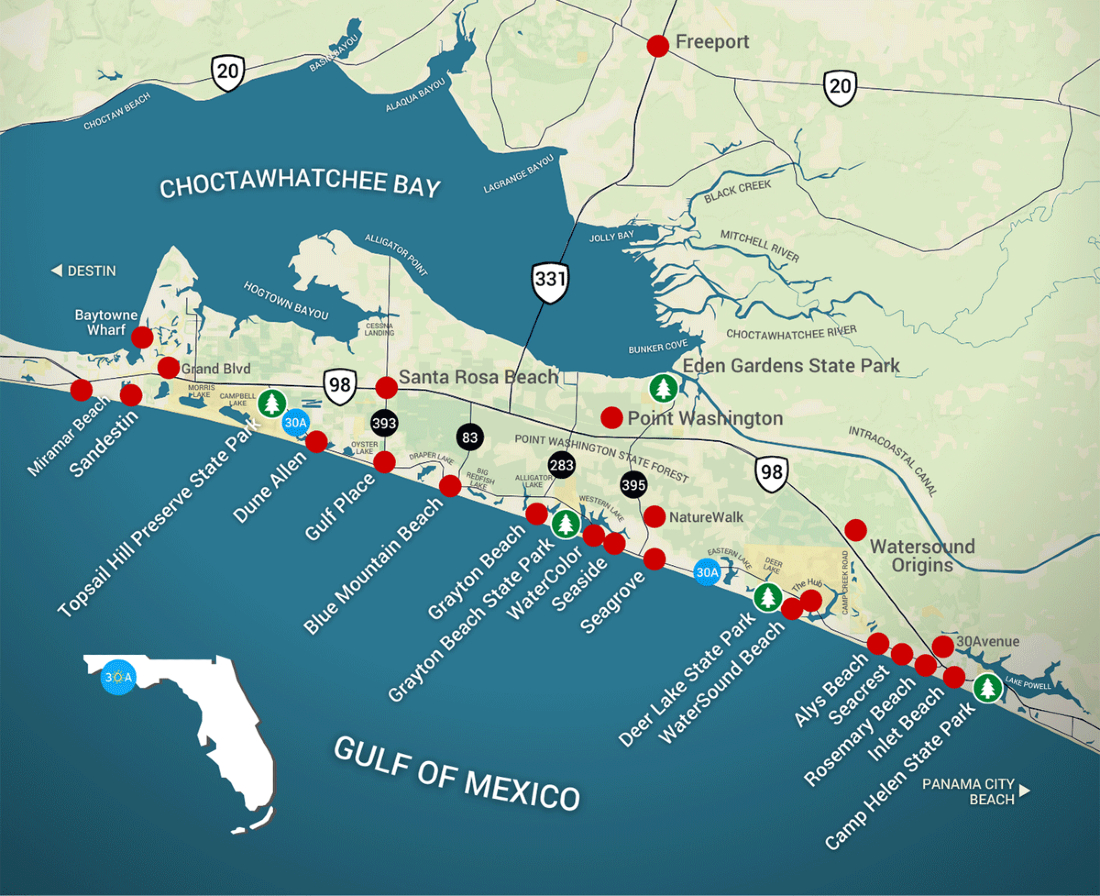
Once you have your permit, it's time to explore! Gulf County boasts a variety of terrains, from sandy shores to rocky coastlines. Always remember to stick to the designated driving areas and observe the speed limit, which is typically 15 mph. Keep an eye out for wildlife and beachgoers, and never drive on dunes or vegetation.
Beach driving in Gulf County is more than just an exhilarating ride. It's an opportunity to connect with nature and experience the breathtaking beauty of Florida's coastline. So, get your Gulf County beach driving permit, buckle up, and let the adventure continue!

As we navigate the beaches of Gulf County, it's essential to remember that safety is paramount. Follow these beach driving safety tips to ensure a safe and enjoyable experience. And remember, leave only tire tracks behind!
Understanding Florida's Beach Driving Regulations: The Basics
Welcome to your comprehensive guide to beach driving in the Sunshine State! If you've ever wondered about the ins and outs of beach driving in Florida, you're in the right place. This Florida beach driving guide will provide you with all the information you need to navigate the sands safely and legally.
So, what are the basics of Florida's beach driving regulations? Well, first and foremost, not all beaches in Florida allow driving. It's crucial to check local ordinances before you set off on your sandy adventure. 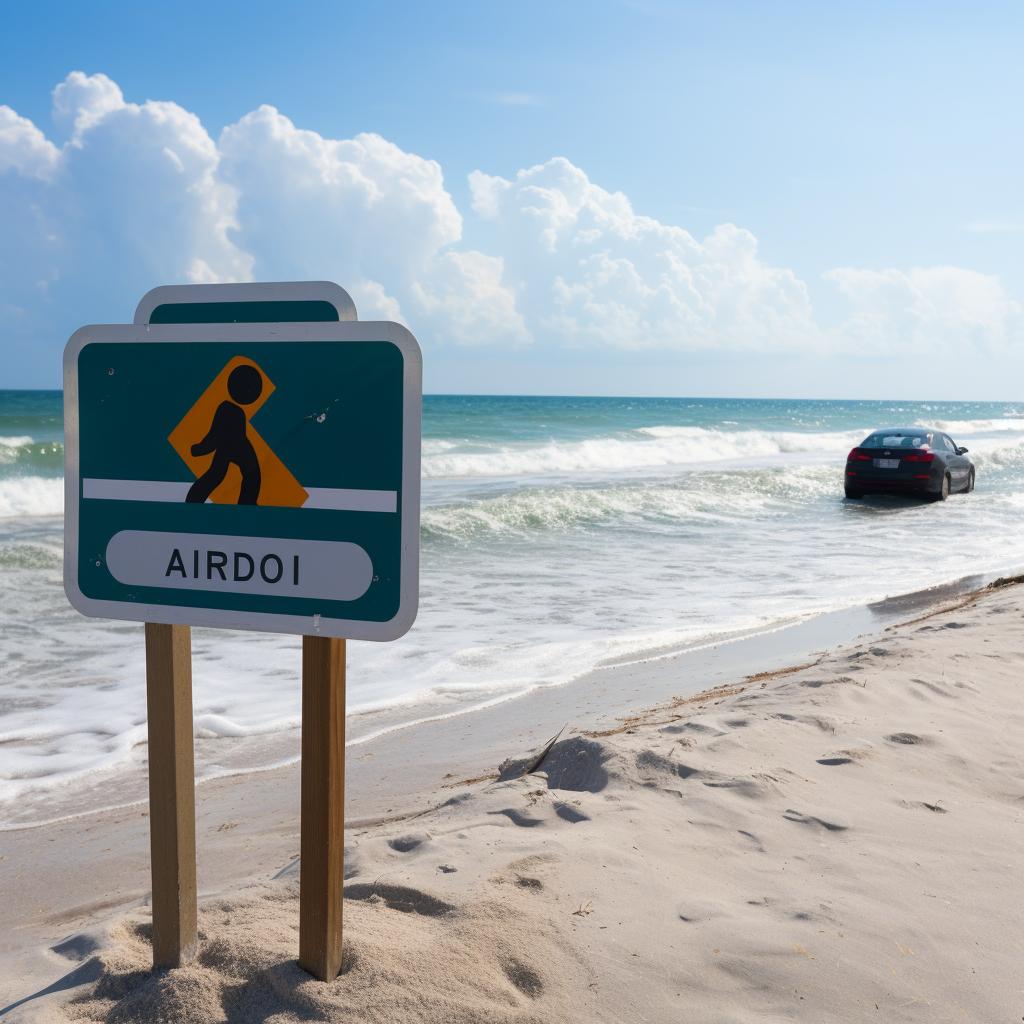
For the beaches that do permit driving, a beach driving permit is typically required. These permits are issued by local authorities and are designed to ensure that drivers understand and adhere to the beach driving rules in Florida. The process for obtaining a permit varies from county to county, but we'll delve into that in more detail later in this guide.
Driving on the beach is not the same as driving on a paved road. The soft, shifting sands can present unique challenges, even for experienced drivers. That's why it's essential to understand how to drive on Florida beaches. We'll provide you with some useful Florida beach driving safety tips to help you navigate these tricky terrains.
Finally, it's important to remember that Florida's beaches are precious natural habitats. As such, there are certain rules and etiquette to follow to ensure we respect and protect these beautiful coastal environments. We'll cover these in our section on Beach Driving Etiquette.
Ready to embark on your beach driving journey? Let's dive in and explore the world of beach driving in Florida!
Securing Your Beach Driving Permit in Florida: A Step-by-Step Guide
Now that we've covered the basics, let's dive into the specifics of securing your beach driving permit in Florida. This step-by-step guide will help you navigate the process smoothly, ensuring you're ready to hit the sands with confidence and legality.
First things first, you need to identify the beach you're planning to drive on. Remember, not all beaches in Florida allow driving, and the permit requirements can vary from one county to another. So, it's crucial to do your homework. Once you've pinpointed your beach of choice, reach out to the local authorities or visit their website to understand their specific permit process.
Typically, the process involves filling out an application form where you'll need to provide some basic information about yourself and your vehicle. Some counties may also require you to attend a short educational course or seminar about beach driving rules in Florida. This is to ensure that you understand the unique challenges of beach driving and are aware of the necessary safety precautions.
Once your application is approved, you'll be issued a beach driving permit. This permit must be displayed on your vehicle at all times while driving on the beach. It's also worth noting that there may be a small fee associated with obtaining a permit, so be sure to factor this into your planning.
Securing your beach driving permit is the first step towards your exciting beach driving adventure in Florida. But remember, with great power comes great responsibility. It's up to you to adhere to the beach driving rules and regulations, ensuring a safe and enjoyable experience for everyone. So, are you ready to take the wheel and make some sandy tracks?
Stay tuned for our next section where we'll delve into the essential beach driving rules in Florida. We'll cover everything from speed limits to vehicle restrictions, giving you a comprehensive understanding of what's expected when you're behind the wheel on Florida's beautiful beaches.
Rules of the Road: Essential Beach Driving Rules in Florida
Now that you've secured your beach driving permit, it's time to familiarize yourself with the essential beach driving rules in Florida. This Florida beach driving guide will help you navigate the sandy shores with ease and confidence, ensuring a safe and enjoyable experience for all.
First and foremost, remember that speed limits are strictly enforced on Florida's beaches. The maximum speed limit is typically 10 mph, but this can vary depending on the beach. Keep an eye out for posted signs and always err on the side of caution. After all, the beach is a place for relaxation and enjoyment, not speed racing.
Next, let's talk about vehicle restrictions. Not all vehicles are suitable or permitted for beach driving. Generally, only 4WD and AWD vehicles are allowed. This is because these vehicles are better equipped to handle the soft, sandy terrain without getting stuck. So, before you set off on your beach driving adventure, make sure your vehicle is up to the task.
Another crucial rule to remember is that pedestrians always have the right of way. This means you must yield to people walking or playing on the beach. It's also important to maintain a safe distance from sunbathers, picnickers, and wildlife. Remember, we're all here to enjoy Florida's beautiful beaches, so let's do it responsibly.
Lastly, always adhere to designated driving areas. These areas are clearly marked and are designed to protect both drivers and beachgoers. Driving outside these areas can lead to hefty fines and even revocation of your beach driving permit.
By following these beach driving rules in Florida, you'll ensure a safe and enjoyable beach driving experience for yourself and others. So, are you ready to hit the sands and make some unforgettable memories?
Stay tuned for our next section where we'll share some invaluable Florida beach driving safety tips. From navigating soft sands to dealing with high tides, we've got you covered.
Tips for Safe Beach Driving: Navigating Florida's Sandy Shores
Beach Driving Etiquette: Respecting Florida's Coastal Environment
As you embark on your beach driving adventure in Florida, it's not just about understanding the Florida beach driving regulations or securing the necessary beach driving permits in Florida. It's also about respecting the beautiful coastal environment that makes Florida's beaches so unique and inviting. This is where beach driving etiquette comes into play.
Imagine the soft whisper of the ocean breeze, the rhythm of the waves, and the warmth of the sun-kissed sand beneath your tires. Now, imagine leaving a trail of litter, disrupting nesting sea turtles, or causing unnecessary noise pollution. Doesn't quite fit the picture, does it? That's because beach driving isn't just about the thrill of the ride, it's about co-existing with nature in a respectful and responsible manner.
Always remember to stay within designated driving areas to protect delicate ecosystems. . Avoid driving or parking on dunes, which serve as crucial buffers against coastal storms and are home to many unique species. Also, keep an eye out for wildlife. Florida's beaches are nesting grounds for endangered sea turtles, and your careful driving can help protect these amazing creatures.
Lastly, leave no trace. Carry a trash bag in your vehicle and ensure you take all your garbage with you. Remember, the beach is not just a playground, but a home to many. By following these Florida beach driving safety tips, you're not just ensuring a fun-filled adventure, but also contributing to the preservation of Florida's stunning coastal environment. So, ready to learn how to drive on Florida beaches while respecting nature's bounty?
Beach Driving FAQs: Addressing Common Concerns and Misconceptions
As we delve deeper into the world of beach driving in Florida, it's natural to have questions and concerns. After all, beach driving is a unique experience, far removed from the usual asphalt roads we're accustomed to. So, let's address some of the most common queries in our Beach Driving FAQs section.
Is it true that anyone can drive on Florida beaches? Well, not exactly. While beach driving is a popular activity in Florida, it's regulated by specific rules and requires a special permit. This is where our comprehensive Florida beach driving guide comes in handy, providing you with all the necessary information about beach driving permits in Florida.
Another common misconception is that beach driving rules in Florida are lax. On the contrary, Florida takes beach driving very seriously. The state has stringent regulations in place to ensure the safety of drivers, beachgoers, and the delicate coastal ecosystem. So, how to drive on Florida beaches without breaking any rules? Our guide details the essential Florida beach driving regulations you need to follow.
But what about safety? Is beach driving safe? Yes, it can be, provided you adhere to the recommended safety tips. Our guide offers a wealth of Florida beach driving safety tips, from understanding the unique challenges of sandy terrain to respecting local wildlife.
Lastly, many believe that beach driving is harmful to the environment. While it's true that irresponsible driving can cause damage, mindful and respectful driving can minimize impact. As we've discussed, following the designated driving areas, avoiding dunes, and leaving no trace are crucial aspects of beach driving etiquette.
So, are you ready to navigate the sands of Florida's beaches responsibly? Remember, beach driving isn't just about the thrill of the ride. It's about co-existing with nature, respecting the environment, and ensuring the safety of all. With our comprehensive guide to beach driving, you're well on your way to a memorable and responsible beach driving adventure.
Wrapping Up: Your Comprehensive Guide to Florida Beach Driving
And there you have it - your ultimate Florida beach driving guide. From securing your beach driving permits in Florida to understanding the state's stringent beach driving regulations, we've covered it all. We've also debunked some common misconceptions and addressed your concerns about safety and environmental impact. Now, you're not just ready to drive on Florida's sandy shores, but to do so responsibly and respectfully.
Remember, beach driving in Florida is more than just an exhilarating experience. It's a privilege that comes with its own set of responsibilities. As you navigate the sands, always keep in mind the importance of co-existing with nature and ensuring the safety of all. Follow the rules, respect the environment, and drive safely.
As you embark on your beach driving adventure, don't forget to refer back to this guide whenever you need. Whether you're unsure about a certain rule or need a refresher on safety tips, our comprehensive guide to beach driving is here to help.
So, are you ready to make unforgettable memories on Florida's stunning beaches? Remember, the journey is just as important as the destination. Enjoy the unique thrill of beach driving, but always stay mindful of your surroundings. Happy and safe beach driving!

Before you go, why not share this guide with fellow beach driving enthusiasts? Let's spread the word about responsible and enjoyable beach driving. After all, the more we know, the better we can protect our beautiful beaches and ensure a safe and fun experience for all.

No comments yet. Be the first to share your thoughts!