

Check local rules and tides first
Before you turn the key, you need to verify two things: where you are legally allowed to drive and when the water will be there. Beach driving isn't just about having a four-wheel-drive vehicle; it's about respecting local ordinances and the natural rhythm of the ocean. Ignoring either can result in heavy fines or, worse, being stranded as the tide comes in.
Verify legal access and permits
You cannot simply drive on any stretch of shoreline. Many beaches are protected habitats or private property, and driving on them is strictly prohibited. Look for designated public access points and official signage indicating where beach driving is permitted. Some popular spots, like New Smyrna Beach in Florida, require a daily or seasonal permit to enter.
Check with your local parks department or coastal management agency before you go. These authorities publish current regulations, including vehicle weight limits, required permits, and specific zones where driving is allowed. Fines for illegal beach driving can be substantial, so a quick online search or phone call is a small price to pay for peace of mind.
Monitor tidal windows
Sand behaves differently depending on its moisture content, and the tide dictates that moisture. Driving on wet, packed sand near the waterline offers the best traction, but you must know exactly how much time you have before the water returns. Tides can rise quickly, and getting caught in rising water is dangerous.
Consult a reliable tide chart for the specific beach you are visiting. Plan your drive so that you are off the sand well before high tide. A good rule of thumb is to aim for the low tide window, but always leave yourself a buffer. If you are unsure, ask local lifeguards or park rangers for the safest driving window for the day.
Prepare your vehicle for sand
Before you put tires on the sand, you need to change how the vehicle interacts with the surface. Two adjustments matter most: tire pressure and gear selection. These changes increase your footprint and keep power moving, which prevents getting stuck in soft, shifting ground.
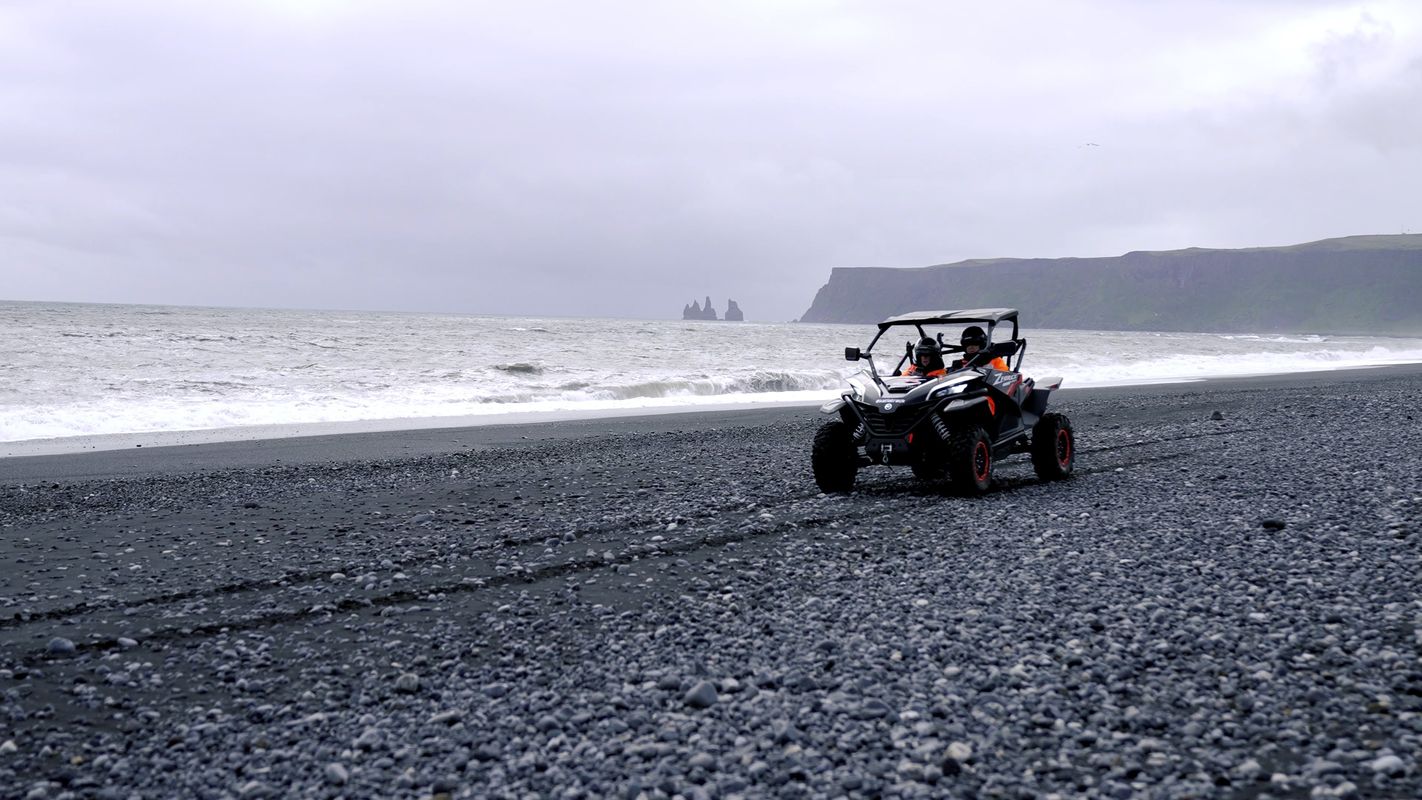
Deflating your tires is the most effective way to gain traction. Lower pressure expands the tire’s footprint, allowing it to float on top of the sand rather than digging in. Most off-road guides recommend dropping pressure to between 15 and 20 psi for beach driving. Use a reliable gauge to check each tire, and keep a portable air compressor in the vehicle so you can reinflate before hitting pavement.

Switch your vehicle into 4WD or 4-Low before entering the sand. Four-wheel drive distributes power to all four wheels, which is essential for maintaining momentum on loose surfaces. If the sand is particularly deep or steep, 4-Low provides more torque at lower speeds, giving you better control. Avoid using 2WD, as it often leads to wheel spin and getting high-centered.
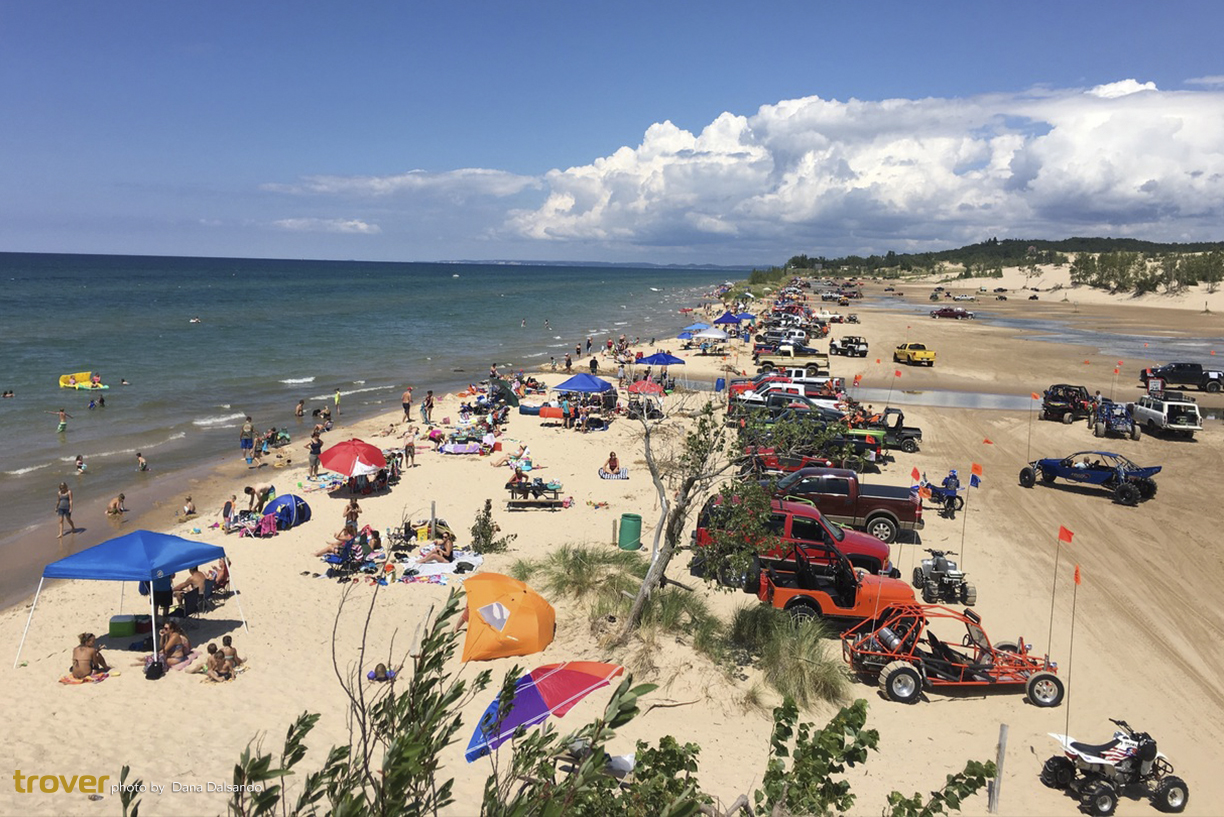
Inspect your tires for damage before driving. Sand is abrasive and can quickly wear down weak spots or old tread. Ensure your tires are free of cuts, bulges, or embedded debris that could cause a blowout. Proper tread depth helps channel sand away from the contact patch, improving grip. If your tires are worn, consider adding sand lugs or chains specifically designed for off-road use.

Secure all loose items inside and outside the vehicle. Sudden shifts in weight or loose gear can affect handling and stability on uneven sand. Remove roof racks or cargo boxes if they add significant wind resistance or weight. Ensure that any external recovery gear, such as shovels or jack stands, is strapped down tightly to prevent them from becoming projectiles during sharp turns or stops.
| Tire Pressure | Traction Level | Best For |
|---|---|---|
| 30-35 PSI | Low | Hard-packed sand or wet sand near the water |
| 15-20 PSI | High | Dry, loose dunes and deep sand |
| 10-15 PSI | Very High | Extreme soft sand or mud (requires beadlock wheels) |
These preparations form the foundation of safe beach driving. By adjusting tire pressure and engaging the right gear, you maximize your vehicle’s ability to move smoothly over sand. Always test your setup on a small patch of sand before committing to a long drive. If you feel the vehicle slipping or struggling, stop and reassess your pressure or gear selection.
Drive near the water line
The wet sand near the tide line offers the most reliable traction on the beach. Unlike dry, loose sand that shifts under your tires, the compacted layer just above the water acts like a hard-packed road. This firm surface prevents your vehicle from sinking or getting bogged down, giving you the stability needed to maintain control.
Look for the dark, damp strip of sand where the tide has recently receded. This is your target zone. If the tide is coming in, you may need to drive slightly higher, but always stay below the high-tide mark to avoid damaging protected dune ecosystems. The goal is to find the firmest surface available without crossing into sensitive areas.
Keep your speed steady and moderate. The compacted sand allows for better acceleration and braking than dry dunes. If you feel your tires slipping, ease off the accelerator rather than slamming on the brakes. Smooth inputs are essential to maintaining momentum on this firmer, yet still soft, terrain.
Handle turns and momentum
Momentum is your best defense against getting stuck. When driving on sand, the vehicle needs steady forward energy to keep the tires from sinking into the soft surface. Sharp turns break that momentum, causing the tires to dig in and potentially high-center the vehicle on the sand ridge.
To avoid this, plan your turns wide and smooth. Think of the beach as a loose surface where every steering input has a delayed reaction. Instead of making tight, angular turns, arc your vehicle in a gentle curve. This distributes the weight more evenly and keeps the tires rolling rather than digging.
Keep a consistent, moderate speed throughout the turn. Avoid braking or accelerating hard while the vehicle is angled, as this can cause loss of traction or spin the wheels. If you feel the vehicle slowing down, ease off the gas slightly to let the tires regain grip before continuing the turn.
Look ahead and choose a wide path for your turn. Avoid tight corners that force the vehicle to stop or slow significantly. A wider radius allows the tires to maintain their forward momentum through the sand.
Keep the accelerator pressed evenly. Do not tap the brakes or slam the gas while turning. Consistent power helps the tires push through the soft sand without losing traction or digging in.
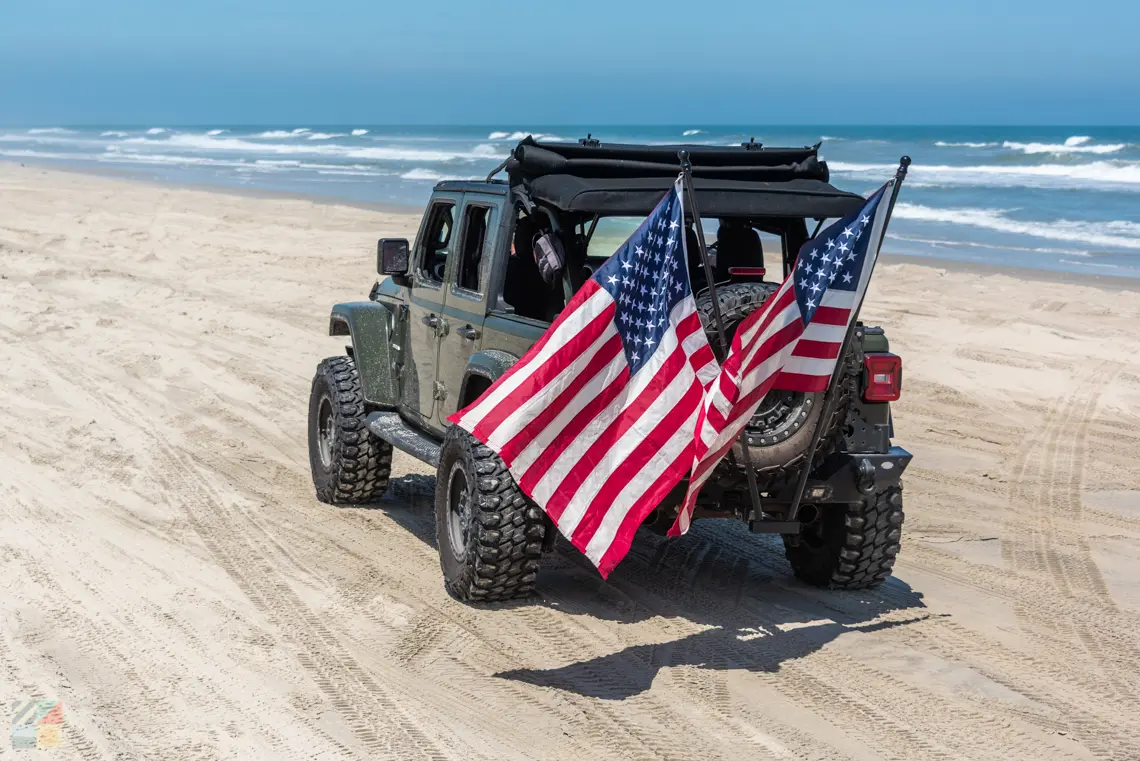
Make small, smooth steering adjustments. Jerky movements can upset the vehicle's balance and cause the tires to slide or sink. Let the vehicle's momentum guide the turn as you steer.
Pack essential recovery gear
Beach sand is deceptive. It looks solid until your tires sink, turning a scenic drive into a stuck vehicle situation. Self-recovery requires specific tools that work with the terrain, not against it. Before you hit the sand, load your vehicle with a dedicated recovery kit. This isn't about carrying extra weight; it's about ensuring you can get back to the parking lot without calling a tow truck.
Start with traction mats or boards. These rigid plates slide under spinning tires to provide a hard surface for grip. When sand is too deep for your tread, these mats bridge the gap between your tire and the firm substrate below. Pair them with a heavy-duty tow strap. Avoid bungee cords or rope, which can snap with dangerous force. A nylon strap with a rated load capacity is the standard for pulling a vehicle out of a soft patch.
A large, sturdy shovel is non-negotiable. You need it to dig out sand packed under your differential or frame rails. A standard garden shovel will bend; look for a heavy-duty aluminum or fiberglass model with a sharp edge. Finally, carry a tire deflator and a pressure gauge. Proper inflation is your first line of defense, but if you do get stuck, adjusting pressure is part of the recovery process.



As an Amazon Associate, we may earn from qualifying purchases.
Wash Your Vehicle After Driving
Driving on the beach exposes your vehicle to two of the most corrosive elements in nature: salt and sand. Salt accelerates rust formation on undercarriage components, brake lines, and suspension parts, while abrasive sand grinds down seals and paint finishes. Skipping this step after your trip is a common mistake that can lead to expensive repairs down the line.
Start by rinsing the undercarriage as soon as possible. Salt water tends to pool in wheel wells and frame rails, so a thorough spray-down helps remove the bulk of the residue before it dries. If you have access to a pressure washer, use it to blast away sand from crevices, but avoid aiming directly at door seals or electrical connections.
Once the undercarriage is clear, wash the exterior with fresh water and mild soap. Pay special attention to the wheels and tires, where salt crystals often accumulate. Rinse the brakes lightly to remove sand that can scratch rotors when you next drive. Drying the vehicle prevents water spots and helps you inspect for any missed salty patches.
This routine doesn't have to be complicated, but it is essential for preserving your vehicle's longevity. Think of it as the final step in your beach driving ritual—just as important as checking tire pressure before you go. A quick wash now saves you from major corrosion issues later.
Frequently asked: what to check next
Beach driving requires specific adjustments to your vehicle and driving style to stay safe on soft sand. Here are answers to the most common questions about preparing for and navigating coastal terrain.
No comments yet. Be the first to share your thoughts!