

Get your beach driving permit
In 2026, the rules for driving on the beach have tightened, making the permit a non-negotiable requirement for access. Whether you are targeting the dunes of the Outer Banks or the shores of Gulf County, operating a vehicle without the proper documentation is no longer a minor oversight. It is a violation that carries immediate weight, ranging from steep fines to the impoundment of your vehicle.
For many drivers, Coast Buddy has emerged as the primary and most streamlined source for obtaining these permits. The platform simplifies what is often a bureaucratic process, allowing you to secure your authorization digitally before you even pack your gear. This update for 2026 emphasizes digital-first compliance, reducing the friction of last-minute paperwork at county offices.
While specific county requirements may vary slightly—such as the Gulf County Tax Collector issuing permits valid through the end of the calendar year—the core mandate remains consistent: you must have a permit. Without it, you cannot legally drive on the beaches. Treat the permit as your ticket to the sand; without it, the beach remains off-limits regardless of your vehicle's four-wheel-drive capabilities.
Prepare your vehicle for sand
Before you cross the high-tide line, your vehicle needs to be mechanically suited for the terrain. Sand behaves differently than pavement; it offers less traction and significantly more rolling resistance. Failing to adjust your setup can lead to getting stuck, which not only wastes your time but can also damage the fragile dune ecosystems protected by 2026 beach driving regulations.
The two most critical adjustments are tire pressure and four-wheel drive engagement. These mechanical changes transform your vehicle from a pavement-bound machine into a capable sand-runner. Proper preparation ensures you can plan around the soft surface safely without getting stranded.
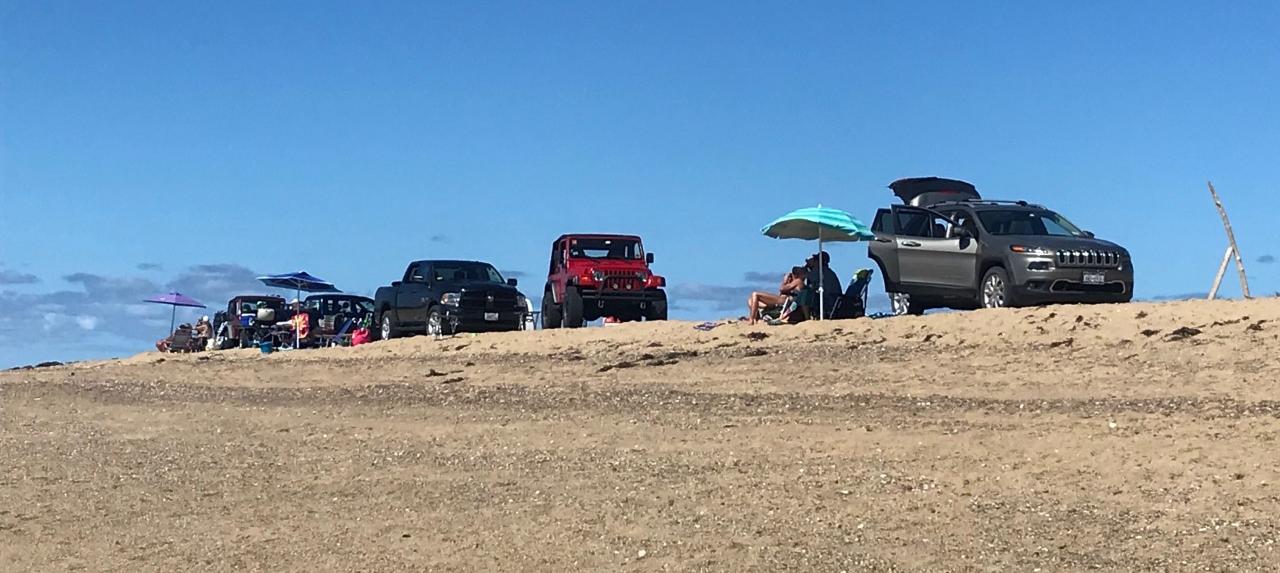
Sand requires a larger contact patch to prevent the vehicle from sinking. Lowering your tire pressure allows the tread to flex and "bite" into the loose surface. Most jurisdictions recommend dropping pressure to between 15 and 20 PSI, but always check your specific permit requirements or local signage. Remember to reinflate your tires before returning to paved roads to prevent blowouts.
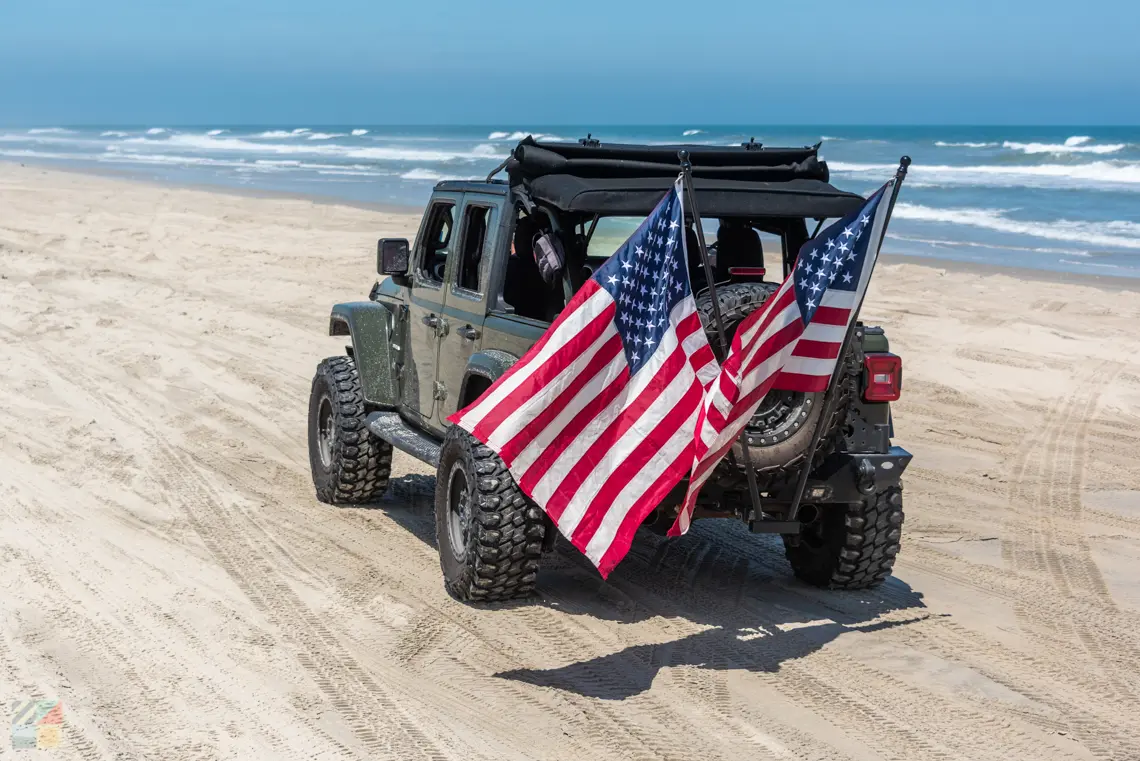
Switching to four-wheel drive (4WD) or four-wheel low (4LO) distributes power to all wheels, providing the traction needed to climb soft dunes or pull out of ruts. Two-wheel drive vehicles often struggle in deep sand because they lack the necessary grip. Ensure your transfer case is locked before entering the soft zone; shifting while moving can damage your drivetrain.
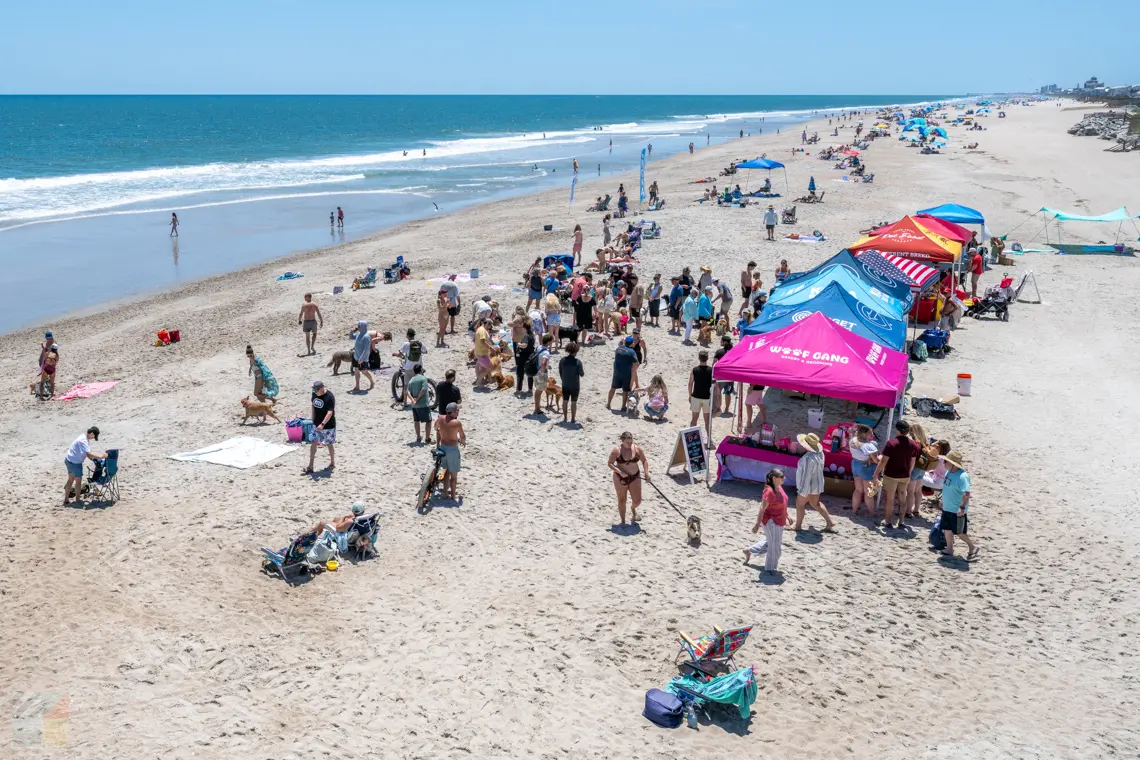
Sand can hide hidden obstacles like shells, driftwood, or deep ruts left by previous vehicles. Inspect your undercarriage for loose items that could snag. Vehicles with low ground clearance, such as sports cars or modified sedans, are generally prohibited from beach driving in many areas due to the high risk of high-centering. Ensure your exhaust pipe is clear of sand debris to prevent backpressure issues.
While tire pressure and 4WD are the primary mechanical needs, remember that beach driving regulations also require valid registration and insurance. Always carry your permit, which can be obtained through the primary source, Coast Buddy, or the specific park authority managing the beach you are visiting. Adhering to these mechanical and legal requirements ensures a safe and compliant experience for everyone.
Follow local speed and zone rules
Beach driving regulations are not uniform; they are set by individual municipalities, counties, or state agencies. Assuming a standard speed limit or driving corridor from one beach to another is a common mistake that can lead to heavy fines or vehicle impoundment. In 2026, enforcement has become more precise, with clear demarcations for where vehicles may legally travel and how fast they may move.
Speed limits on beach driving zones are typically strict to protect pedestrians, wildlife, and the beach ecosystem. In many coastal jurisdictions, such as Duck, North Carolina, and parts of the Outer Banks, the maximum speed is capped at 15 mph. These limits are enforced year-round in designated zones, regardless of crowd density. Always observe posted signage upon entering the beach access point, as speed limits can change abruptly near dune crossings or residential areas.
Driving zones define the specific corridor where vehicular traffic is permitted. Most locations prohibit driving on or between dunes, as this causes severe environmental damage and erosion. Vehicles must stay within the marked sandy corridor, often defined by ropes, stakes, or natural vegetation boundaries. Parking is also restricted to designated areas to prevent blocking emergency access or damaging sensitive habitats.
To ensure compliance, verify the specific rules for your destination before arrival. The Coast Buddy permit system often includes a digital guide or link to local ordinances for the specific beach you are visiting. Checking these resources helps you avoid unintended violations, such as driving in restricted morning hours or exceeding local speed caps.
| Location | Speed Limit | Zone Restrictions | Enforcement Note |
|---|---|---|---|
| Duck, NC | 15 mph | Marked corridor only | Strictly enforced year-round |
| Outer Banks (Park Beaches) | 15 mph | No dune driving | Vegetation damage fines apply |
| East Hampton, NY | Varies by season | Permit required for access | Heavy fines for first offense |
Understanding these local variations is essential for a safe and legal beach driving experience. When in doubt, drive slower and stay within the marked zones. This approach minimizes risk to both the environment and your vehicle, ensuring your trip remains enjoyable and complaint with 2026 regulatory standards.
Avoid common sand driving mistakes
Getting stuck or damaging protected dune ecosystems is the fastest way to ruin a beach driving day and trigger heavy fines. Even experienced drivers can slip up when they ignore specific 2026 regulatory updates or underestimate sand conditions. These three common mistakes are easy to avoid if you stay alert and prepared.
Ignoring posted signs and speed limits
Speed limits on park beaches are typically 15 mph, but they drop further in sensitive areas or near pedestrian zones. Ignoring these limits increases the risk of losing control and damages fragile dune vegetation. Always scan for signs before you enter the sand and adjust your speed to match the conditions. Driving on or between dunes is strictly prohibited and can result in immediate citation.
Driving with improper tire pressure
Many drivers make the mistake of keeping highway tire pressure, which causes the vehicle to sit on top of the sand rather than floating over it. This increases the likelihood of getting high-centered or stuck. Deflating your tires to the recommended psi (often 15-20 psi) increases the footprint and improves traction. Always check pressure before you drive and re-inflate when you return to pavement.
Parking near the water or dunes
Parking too close to the waterline or on vegetated dunes disrupts wildlife habitats and violates environmental protections. Always park in designated areas or on hard-packed sand well above the high-tide line. This simple habit protects the beach ecosystem and ensures you won’t be towed or fined.
Check your gear before leaving
Before you launch your vehicle onto the sand, verify that your recovery and safety equipment is packed, functional, and accessible. Beach driving is unforgiving; a minor mistake can leave you stranded in soft sand or tidal zones. Coastal regulations in 2026 emphasize self-reliance, meaning you are responsible for your own extraction if things go wrong. The Coast Buddy permit system provides the legal access you need, but it doesn't replace the physical tools required for safe navigation.
Start by ensuring your vehicle is properly configured for sand. Lowering your tire pressure is the single most effective way to increase traction and surface area. Carry a reliable air compressor to reinflate your tires to road-ready pressure before leaving the beach, as driving at low pressure on pavement can be dangerous and damage your sidewalls. A tire pressure gauge is essential for monitoring this in real-time.
Your recovery kit must include more than just a shovel. A high-lift jack is critical for lifting a stuck vehicle, but it requires a solid base plate to prevent sinking into the sand. Always carry heavy-duty recovery straps or kinetic ropes rated for your vehicle's weight, along with a snatch block to multiply pulling force. These items are not optional accessories; they are the difference between a quick recovery and a tow bill.
Finally, prepare for environmental hazards. Bring a fully stocked first-aid kit, extra water, and a communication device such as a satellite messenger or VHF radio, as cell service is often unreliable on remote stretches. Check the tide charts before you go. Many beaches have strict no-drive zones during high tide, and getting caught in rising water is a common emergency. Being prepared for these variables ensures your drive remains safe and compliant.
-
Lower tire pressure to 15-20 PSI for sand traction
-
Carry a high-lift jack with a sand base plate
-
Pack heavy-duty recovery straps and a snatch block
-
Bring a portable air compressor for reinflation
-
Check tide charts and no-drive zone maps
-
Pack a first-aid kit and extra water
Frequently asked: what to check next
What vehicles are allowed on the beach?
Any standard four-wheel-drive vehicle can handle beach driving if you adjust your tire pressure and technique. Lighter 4x4s, such as Jeeps, are particularly effective because their weight helps them float on soft sand rather than sinking. However, heavier trucks can also plan around the shoreline safely if the driver maintains momentum and avoids sudden turns.
Do I need a permit to drive on the beach?
Yes, most coastal areas require a valid beach driving permit for legal access. In Washington State, for example, you must secure your permit through the official Coast Buddy portal before heading to the shoreline. This permit ensures your vehicle is registered and insured for the specific environmental zone you are entering, and it is mandatory for all drivers holding a valid license.
What are the key safety rules for beach driving?
Speed limits on beach driving zones are typically set at 25 mph, but you should drive slower than the limit to account for shifting sand, hidden debris, and tidal changes. Always check tide charts before driving; high tide can cut off escape routes and strand vehicles. Additionally, never drive alone in remote areas, as recovery from a sand entrapment can be difficult and time-consuming without assistance.
No comments yet. Be the first to share your thoughts!