

Get beach driving regulations right
Beach driving is a seasonal privilege, not a right, and 2026 regulations have tightened enforcement to protect fragile dune ecosystems and ensure public safety. Before you head to the shore, you must understand the specific legal requirements for your target location, as rules vary significantly between managed parks, national seashores, and private access points. This guide breaks down the critical compliance steps, common pitfalls, and verification methods to ensure a legal and safe experience.
Work through the steps
Follow this sequence to secure permits and understand zone restrictions: verify eligibility, obtain the correct pass, review local ordinances, and execute the drive with caution. This order prevents costly fines and vehicle recoveries.

Fix common beach driving mistakes
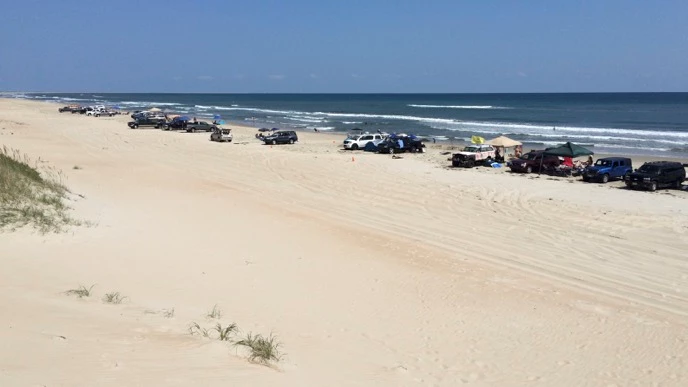
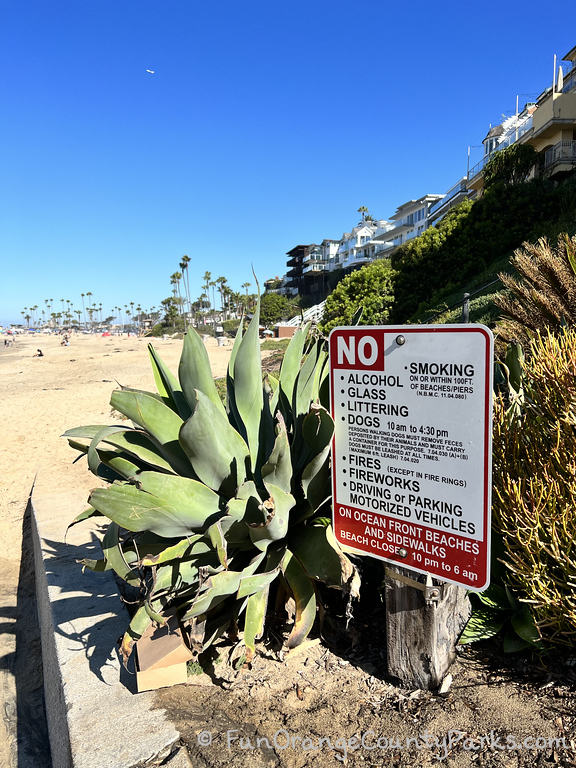
Even with a valid permit, many drivers face fines or vehicle recovery because they overlook specific zone rules. The 2026 regulations emphasize safety buffers and speed limits, making precision essential. Ignoring these details can result in steep penalties and dangerous situations.
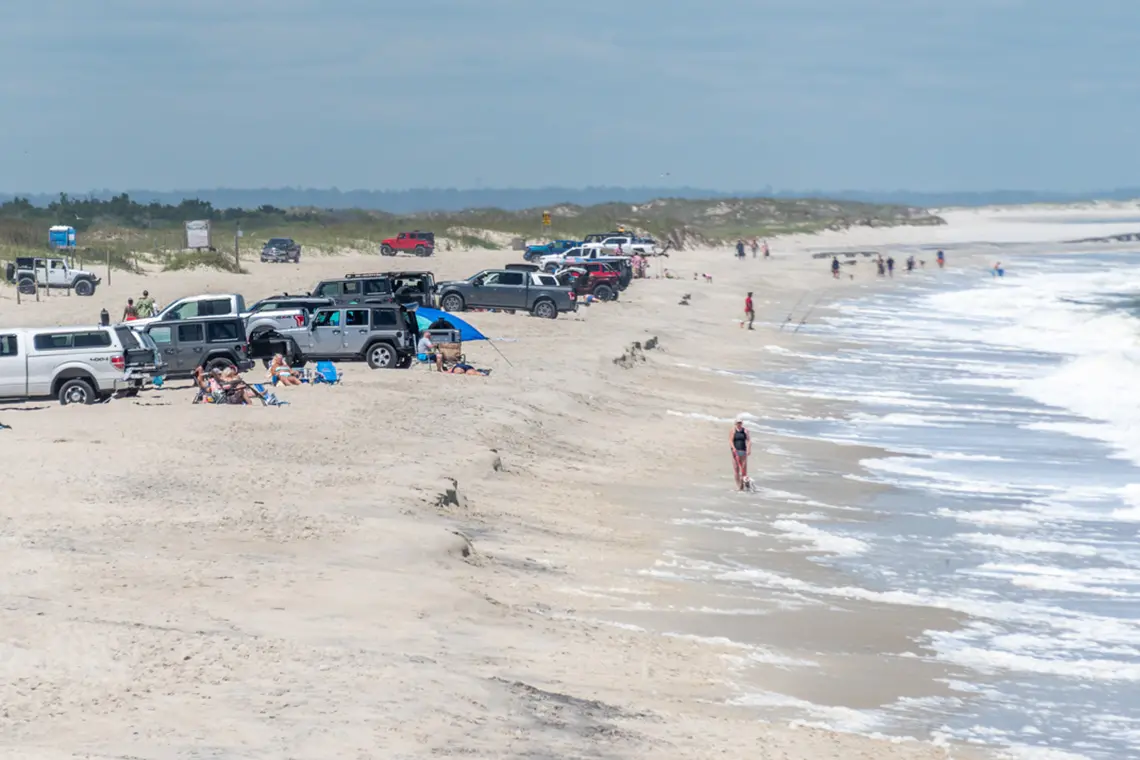
Ignoring the 10 MPH speed limit. Beach sand creates high friction that masks vehicle instability. Driving faster than 10 MPH reduces your reaction time and significantly increases the risk of getting stuck or causing a collision with pedestrians. Always maintain a steady, slow pace, especially when visibility is low or the sand is soft. Speed limits are strictly enforced in many managed areas to protect both drivers and beachgoers.
Parking outside designated zones. Permit areas are strictly mapped. Parking in unauthorized zones not only violates local ordinances but also endangers nesting wildlife and obstructs emergency access. Use official map markers to identify legal driving corridors and parking bays before you leave your vehicle. Unauthorized parking can lead to towing at the owner's expense.
Overlooking traffic direction rules. In many managed areas, traffic flows southbound only between specific street ramps. Driving against the flow of traffic creates dangerous blind spots for other beach drivers and is a primary cause of avoidable accidents. Always check local signage for one-way restrictions before merging into the driving lane. Failure to follow traffic flow can result in immediate citation.
Failing to check tire pressure. Proper inflation is critical for traction and preventing tire burial. Lowering tire pressure (typically to 15–20 PSI) increases the tire footprint, improving flotation on soft sand. However, driving at low pressure on hard-packed sand or roads can damage sidewalls. Always reinflate tires before leaving the beach.
Driving during high tide. Always consult local tide charts before heading out. Driving too close to the waterline risks being trapped by rising tides, which can strand vehicles and require expensive emergency recovery. Plan your route to stay well above the high-tide line, leaving a safe buffer zone.
No comments yet. Be the first to share your thoughts!