

Get beach driving safety right
Start The to Beach Driving Safety with the constraint that matters most in real life: space, timing, budget, skill level, maintenance, or availability. That first constraint should shape the rest of the plan instead of appearing as an afterthought. Keep the first pass simple enough to verify. Compare the main options against the same criteria, remove choices that only work in ideal conditions, and save optional upgrades for later.
The simplest way to use this section is to write down the real constraint first, compare each option against it, and choose the path that still works outside ideal conditions.
Work through the steps
The to Beach Driving Safety works best as a clear sequence: define the constraint, compare the realistic options, test the tradeoff, and choose the path with the fewest hidden costs. That order keeps the advice usable instead of decorative. After each step, pause long enough to check whether the recommendation still fits the reader's actual situation. If it depends on perfect timing, unusual access, or a best-case budget, include a simpler fallback.

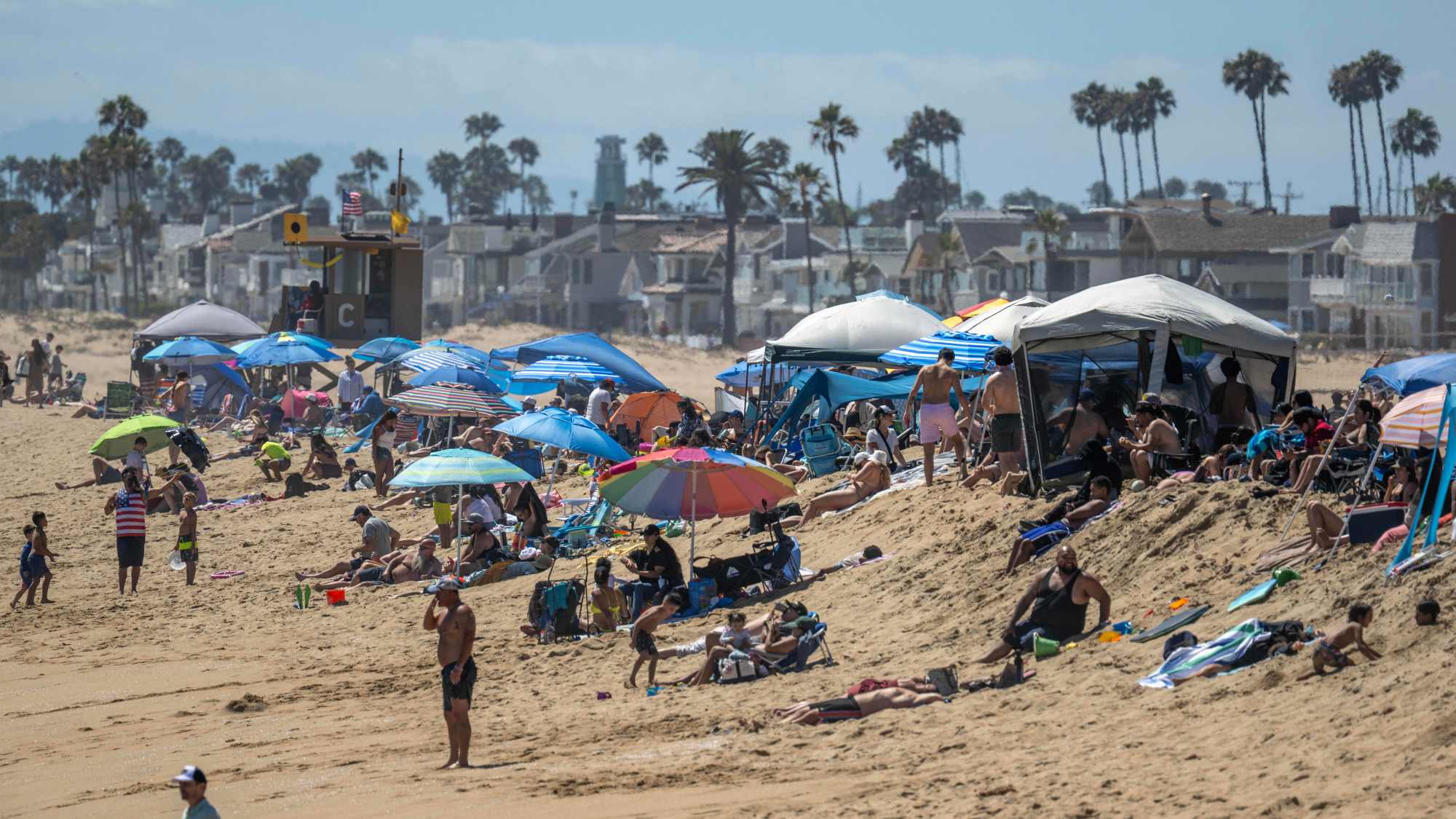

Fix common beach driving mistakes
Most beach driving incidents stem from simple errors in judgment rather than mechanical failure. The soft, shifting nature of sand demands a different approach than pavement, and ignoring these nuances leads to stuck vehicles or safety violations. By recognizing these common pitfalls, you can avoid the most frequent causes of beach driving emergencies.
Driving too fast
Speed is the primary enemy on the beach. High speeds reduce traction and make it difficult to react to sudden changes in sand density or hidden debris. The general rule is to stay below 25 mph, as posted by national seashores like Cape Lookout. Driving faster than this limit increases the risk of losing control, especially when the sand becomes wet or compacted near the water.
Braking hard at high speeds is particularly dangerous. Instead of slamming on the brakes, coast to a stop whenever possible. This technique helps maintain momentum and prevents the tires from digging into the sand. If you must stop, do so gently and gradually to keep the vehicle stable.
Stopping in traffic lanes
Another frequent mistake is stopping in designated traffic lanes to set up chairs, dig holes, or build sand structures. This behavior impedes traffic and creates hazardous conditions for other drivers. Beach pedestrians also have the right-of-way, so stopping in the middle of the road blocks their path and forces others to navigate around you.
Always pull completely off the main traffic lane before stopping. Find a wide, open area that does not obstruct the flow of vehicles or pedestrians. This simple habit keeps the beach safe for everyone and ensures that emergency vehicles can pass if needed.
Ignoring tire pressure
Failing to adjust tire pressure before hitting the sand is a critical error. Properly inflated tires will sink into the soft sand, making it nearly impossible to move. Deflating your tires increases the surface area, allowing the vehicle to float on top of the sand rather than digging in.
Check your tire pressure before driving and adjust it according to the specific conditions of the beach. Refer to your vehicle’s manual for recommended PSI levels for sand driving. Reinflate your tires before returning to paved roads to ensure safe handling and prevent tire damage.
Beach driving safety: what to check next
Before you hit the sand, clear up the practical objections that trip up most drivers. These answers focus on the specific mechanics of traction, local rules, and vehicle prep to keep your trip safe and legal.
No comments yet. Be the first to share your thoughts!