

Get your beach driving permit
You cannot drive on the beach without a valid permit. For 2026, the rules remain strict: permits are issued annually, and driving without one can result in significant fines. The process is straightforward, but you must plan ahead to avoid last-minute rushes.
Check the renewal window
Permits are typically valid from April 1 through March 31 of each year. If you drove last season, your permit has likely expired. Check your local municipality’s website or call the clerk’s office to confirm the exact start date for your specific beach. Some areas begin sales in early spring, while others wait until Memorial Day weekend.
Purchase at the clerk’s office
Most jurisdictions require you to buy your permit in person at the clerk’s office. Bring your vehicle registration and proof of liability insurance. Some towns also require a small fee for the permit itself. If you are renting a vehicle, ensure the rental agreement covers beach driving and that the rental company provides the necessary documentation.
Display the permit clearly
Once you have your permit, place it in the lower corner of your windshield on the driver’s side. Use the provided magnet or adhesive sticker. Law enforcement officers patrol the beach regularly, and an undisplayed permit is just as bad as having no permit at all. Keep your receipt in the glove compartment as proof of purchase.
Prepare for seasonal demand
Permit offices often see a surge in traffic during the first two weeks of the driving season. To save time, arrive early in the morning or visit on a weekday. Some towns offer online pre-registration or mail-in options, but final display and validation usually happen in person. Plan your trip to avoid the peak rush.
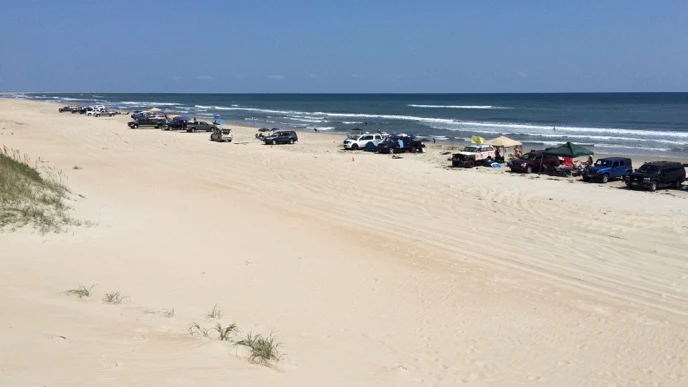
Go to your local clerk’s office during business hours. Bring your vehicle registration and proof of liability insurance. If you are renting, get the necessary paperwork from the rental agency first.
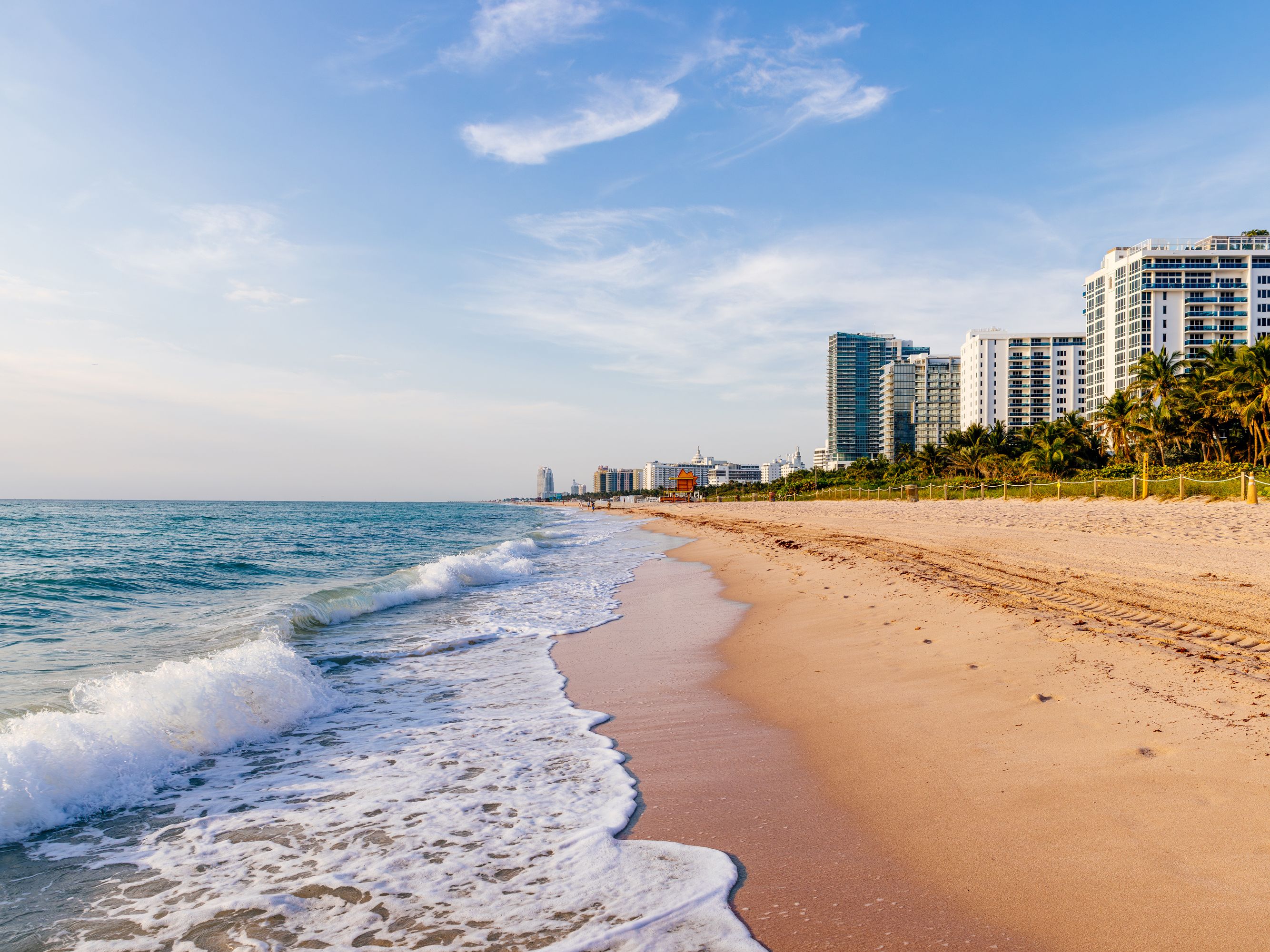
Purchase your permit for the current season. Fees vary by town but are generally affordable. Pay by cash, check, or credit card, depending on the office’s accepted methods. Keep your receipt safe.
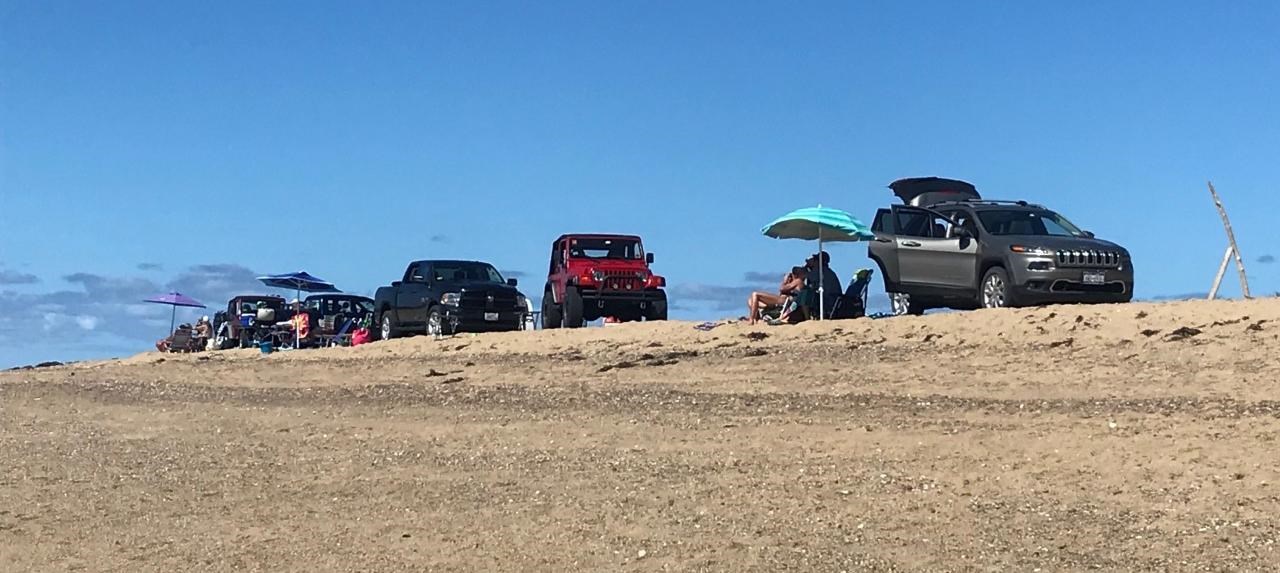
Place the permit magnet or sticker in the lower driver’s side corner of your windshield. Ensure it is clearly visible to law enforcement. An obscured or missing permit can lead to a citation.
Check seasonal driving hours
Beach driving regulations in New York hinge on a strict seasonal calendar. The state divides the year into summer and off-season windows, each with different time restrictions. Violating these hours is one of the most common reasons drivers receive citations or towing fees.
During the peak summer season, which generally runs from mid-May through mid-September, driving is restricted to early morning and evening hours. This protects bathers and preserves the dune ecosystem during the busiest months. Outside this window, many beaches allow all-day driving, giving off-season drivers more flexibility.
The following table outlines the typical driving hours for major New York beach towns. Always verify with local town websites, as specific dates can shift slightly based on municipal ordinances.
| Location | Summer Hours (May–Sept) | Off-Season Hours |
|---|---|---|
| Fire Island NPS | 6:00 AM – 9:00 AM | All day |
| East Hampton Village | 10:00 PM – 9:00 AM | All day |
| State Beaches (NYS Parks) | 6:00 PM – 10:00 AM | All day |
| Hampton Bays | 6:00 PM – 10:00 AM | All day |
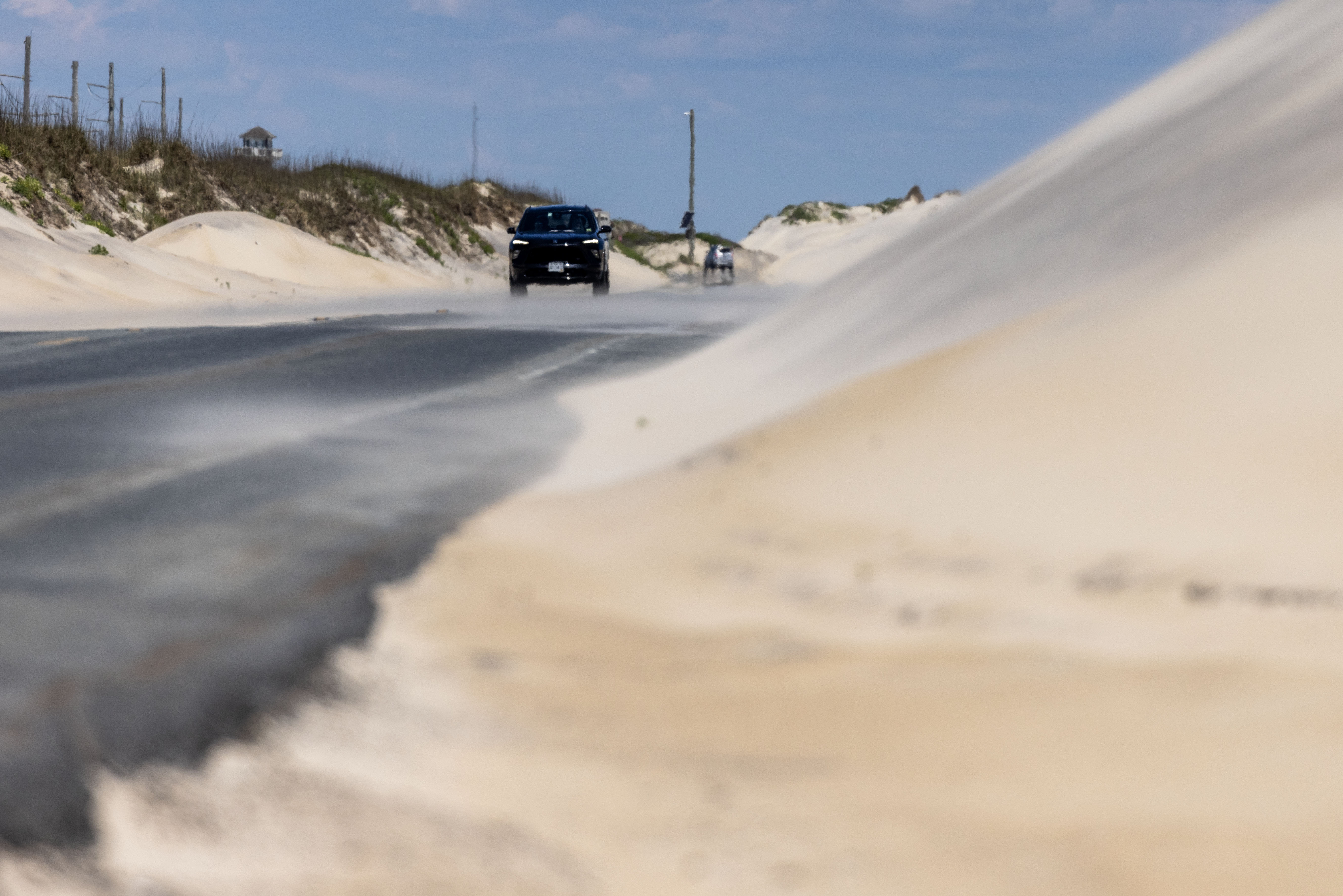
These time windows are not suggestions; they are enforced by local police and park rangers. Fines for driving during prohibited hours can range from $50 to several hundred dollars, depending on the municipality. Some towns also impose additional penalties for driving on the dunes or in unauthorized zones.
Before heading out, check the official website for the specific beach you plan to visit. Regulations can change annually, and some areas may close entirely for wildlife protection. Carrying a printed copy of the local regulations or having the town’s website bookmarked on your phone can help you avoid accidental violations.
Respect wildlife nesting zones
Driving on the beach requires more than just a permit; it demands strict adherence to environmental protections. In 2026, local and federal agencies have tightened enforcement around dune systems and nesting areas to protect shorebirds and sea turtles. These zones are not merely suggestions—they are legally protected habitats where vehicle access is completely prohibited during breeding seasons.
The consequences for violating these rules are severe. Driving over marked nesting areas or disturbing protected dunes can result in fines starting at $250 and escalating significantly depending on the jurisdiction and the extent of the damage. For instance, East Hampton Town explicitly states that breaking beach driving laws in protected nesting areas subjects violators to minimum fines of $250, with potential increases for repeated or egregious offenses. National Park Service locations, such as Fire Island, enforce similar closures from March 15 through Labor Day, with penalties that can include vehicle impoundment.
To avoid these penalties, always look for posted signage and physical barriers like wooden fencing or rope lines. These markers indicate active nesting sites where vehicles must stay on designated roads or open beach sections. If you see a turtle or bird nesting in the dunes, give it a wide berth and do not attempt to get closer for photos. Respecting these boundaries ensures the safety of local wildlife and helps maintain the integrity of the beach ecosystem for future seasons.
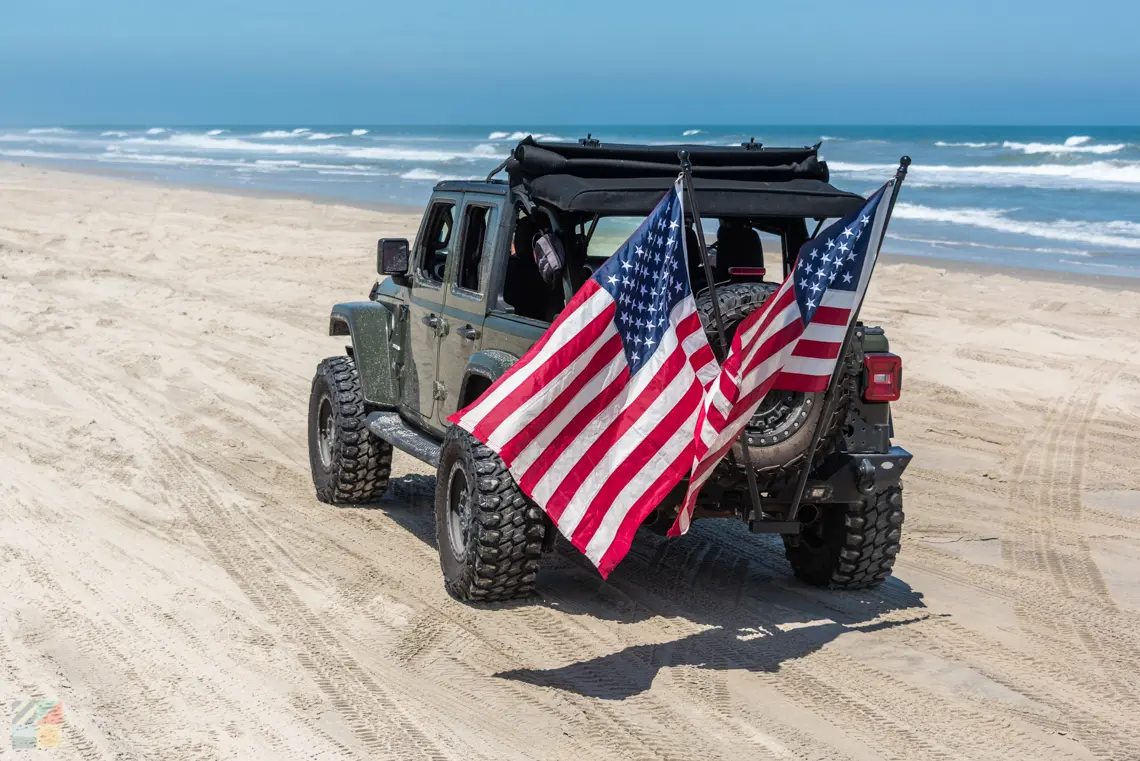
Follow speed and vehicle rules
Beach driving requires strict adherence to speed limits and vehicle standards. The sand surface changes how vehicles handle, making lower speeds essential for safety. In 2026, enforcement of these operational constraints remains a top priority for coastal towns.
Most jurisdictions cap beach driving speeds at 10 mph. This limit accounts for soft sand, unpredictable terrain, and the presence of pedestrians and wildlife. Exceeding this speed significantly increases the risk of losing control or damaging the vehicle. Always check local ordinances, as some areas may impose even stricter limits during peak hours.
Vehicle suitability is equally critical. While 4-wheel drive helps with traction, ground clearance is the more important factor. Experts recommend at least 7.5 inches of clearance to prevent the undercarriage from dragging in soft sand. Low-profile cars or sedans are generally unsuitable for beach driving regardless of their drive type.
Before heading out, verify that your vehicle meets local registration and insurance requirements. Many beaches require proof of liability insurance equivalent to standard road coverage. Ensure your tires are properly deflated for sand, and always drive on designated access points to avoid environmental violations.
Prepare your vehicle for sand
Driving on the beach requires more than just a license; it demands a vehicle tuned for loose terrain. Sand turns hard-packed surfaces into quicksand, making standard driving setups dangerous. Before you cross the dune line, adjust your tires and secure your gear. This preparation prevents you from getting stuck, which can lead to expensive recovery fees or permit revocation under 2026 regulations.
Deflating your tires is the single most effective way to improve traction. Lower pressure increases the tire's footprint, allowing it to float on top of the sand rather than digging in. Check your owner’s manual for the recommended "sand pressure," which typically ranges from 15 to 20 PSI. Use a reliable gauge to deflate all four tires evenly. Remember to reinflate them to standard road pressure immediately after leaving the beach to prevent tire damage.
Not all vehicles are built for soft terrain. Experts recommend at least 7.5 inches of ground clearance to avoid high-centering on ruts or dunes. Four-wheel drive (4WD) or all-wheel drive (AWD) systems provide essential power distribution on slippery surfaces. If you are driving a standard two-wheel-drive car, stick to the wet, hard-packed sand near the waterline and avoid soft, dry dunes entirely.
Bring essential recovery tools even if you plan to stay on hard-packed areas. Pack a shovel, a high-lift jack, and traction boards (like Maxtrax or boards) to help you self-recover if you get stuck. Secure all loose items inside the vehicle; flying debris from sand can damage windshields or injure passengers. Ensure your fuel tank is full, as sand increases fuel consumption significantly compared to paved roads.
Proper preparation ensures a safe trip and keeps you compliant with local safety ordinances. Neglecting these steps often results in vehicles becoming immobilized, requiring costly off-road recovery services that may not be covered by standard insurance policies.
Frequently asked: what to check next
Do you need 4-wheel drive to drive on the beach?
While 4-wheel drive (4WD) and all-wheel drive (AWD) vehicles perform better on soft sand, they are not strictly required everywhere. The critical factor is ground clearance. We recommend at least 7.5 inches of clearance to avoid getting high-centered on dunes or ruts. Always check your vehicle manufacturer’s guidelines to ensure your specific make and model is suitable for off-road beach driving.
Can you drive on the beach in Southampton, NY?
Driving is permitted in Southampton, but strict regulations apply. You must have a valid vehicle registration and carry liability insurance equivalent to New York State requirements. Driving is generally allowed from 6 PM to 10 AM during the summer season and all day during the off-season. Ensure your vehicle is registered in the incorporated village or that you have the proper permit if driving in adjacent town areas.
What is the fine for driving in protected nesting areas?
Violating beach driving laws in protected sea turtle nesting zones carries significant penalties. In East Hampton and surrounding areas, fines start at $250 and can increase substantially depending on the severity of the violation. These areas are strictly enforced during nesting season to protect wildlife. Always look for posted signage and stay on designated driving corridors to avoid accidental violations.
Do I need a permit to drive on state beaches?
Yes, most New York state beaches require a specific permit for vehicle access. Permits are typically seasonal and must be displayed visibly on your dashboard or windshield. Some towns offer daily passes, while others require annual registrations. Check with the local clerk or parks department before your trip, as rules vary significantly between East Hampton, Southampton, and other coastal municipalities.
No comments yet. Be the first to share your thoughts!