
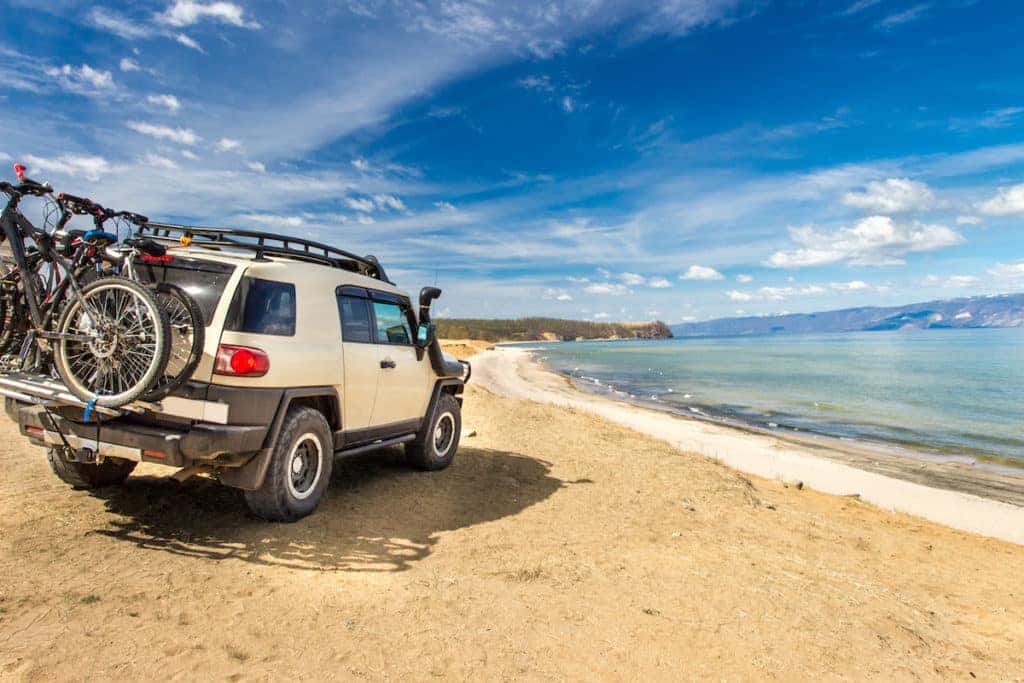

Check local rules and tide times
Before you even think about adjusting your tire pressure or engaging four-wheel drive, you need to confirm two things: that you are legally allowed to be there, and that the water isn’t coming in. Beach driving is not a free-for-all; it is a regulated activity that changes daily based on weather, wildlife, and municipal ordinances.
Start by verifying access. Many beaches require a specific permit or vehicle sticker, while others are closed entirely during nesting season for shorebirds or sea turtles. Rules can vary wildly between adjacent stretches of coastline. A drive that is legal on Saturday might be a ticketable offense on Sunday if a storm surge or high tide warning is in effect. Always check the official website of the local park service, county, or city council before you leave home. Do not rely on general maps or anecdotal advice from friends, as regulations change without notice.
Next, consult the tide charts. This is your safety window. You need to know when the tide peaks and when it recedes. The goal is to drive on the firm, wet sand near the water’s edge, but you must have enough time to retreat before the water rises. If you are driving in a remote area with no easy escape routes, leave a larger buffer. Getting trapped by rising water is a common and dangerous mistake that can strand you far from your vehicle.
Combine these checks into a quick pre-drive routine. Note the permit number on your dashboard, write down the high tide time, and identify your exit route. This takes less than five minutes but prevents the stress of being stuck, fined, or forced to abandon your car in the surf.
Adjust tire pressure for soft sand
Airing down your tires is the single most important mechanical change you make before hitting the beach. It increases the tire's contact patch, allowing the vehicle to float on top of the sand rather than digging in and creating ruts. Think of it like snowshoes for your car: the larger surface area distributes your weight more evenly.
Most passenger vehicles run at 30–35 PSI on pavement. For beach driving, you need to drop this significantly. The U.S. National Park Service recommends lowering tire pressure to between 20 and 25 PSI for typical beach conditions. This range provides enough flexibility to grip the sand while maintaining enough sidewall stiffness to prevent the tire from slipping off the rim.
If the sand is particularly soft, like dunes or dry powder, you may need to go lower, sometimes down to 15 PSI. However, never air down below 15 PSI unless you are using beadlock wheels or specialized off-road tires designed for such low pressures. Going too low can cause the tire to unseat from the rim, leaving you stranded.
Always use a reliable tire pressure gauge to verify your PSI. Visual inspection is not accurate enough for this task. Check all four tires, and remember to re-inflate them to normal highway pressure before you leave the beach. Driving on pavement with low tire pressure can cause overheating and tire failure.
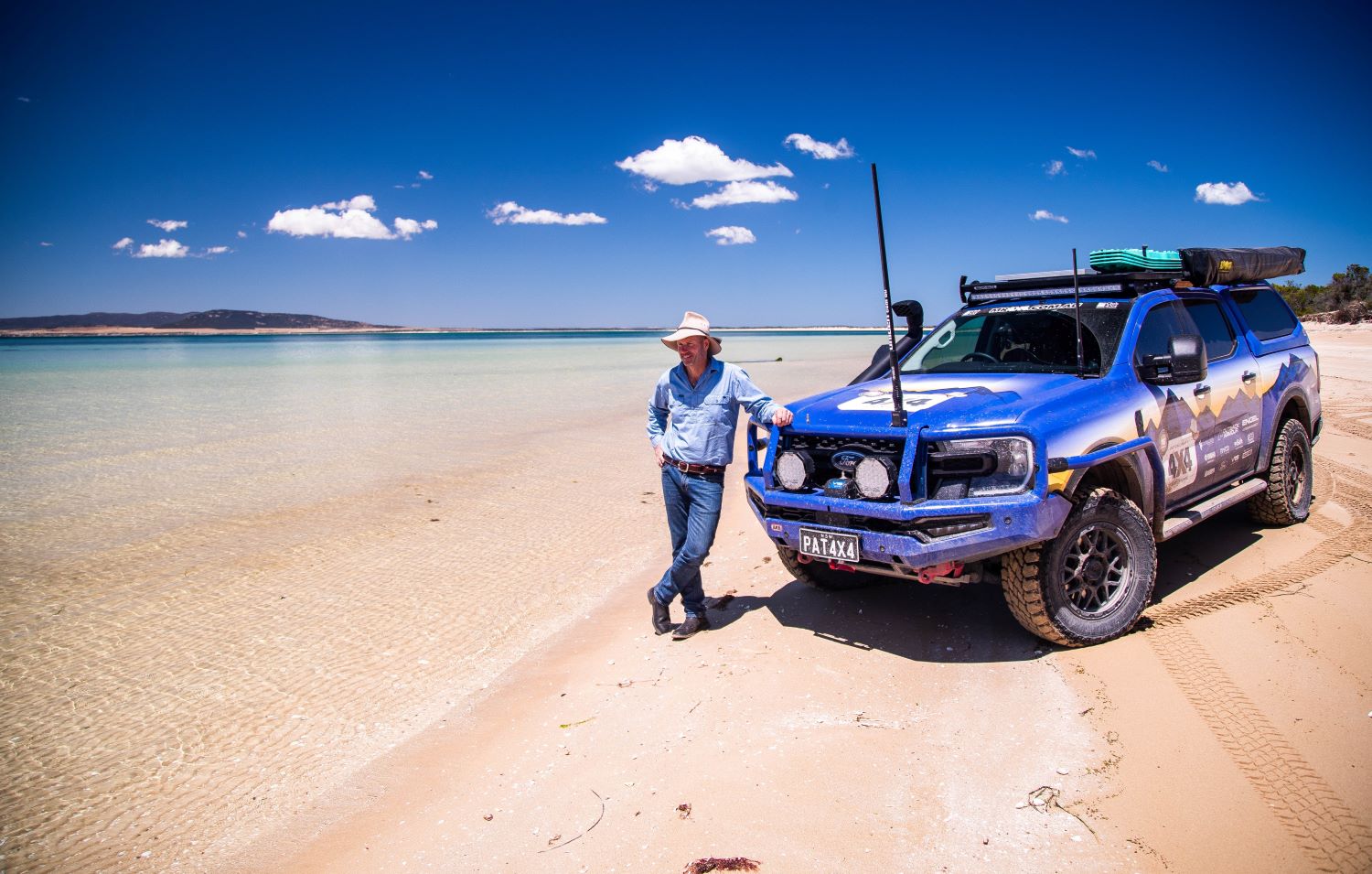
Find the valve stem on each tire. Remove the cap and keep it in a safe place so you don’t lose it in the sand.
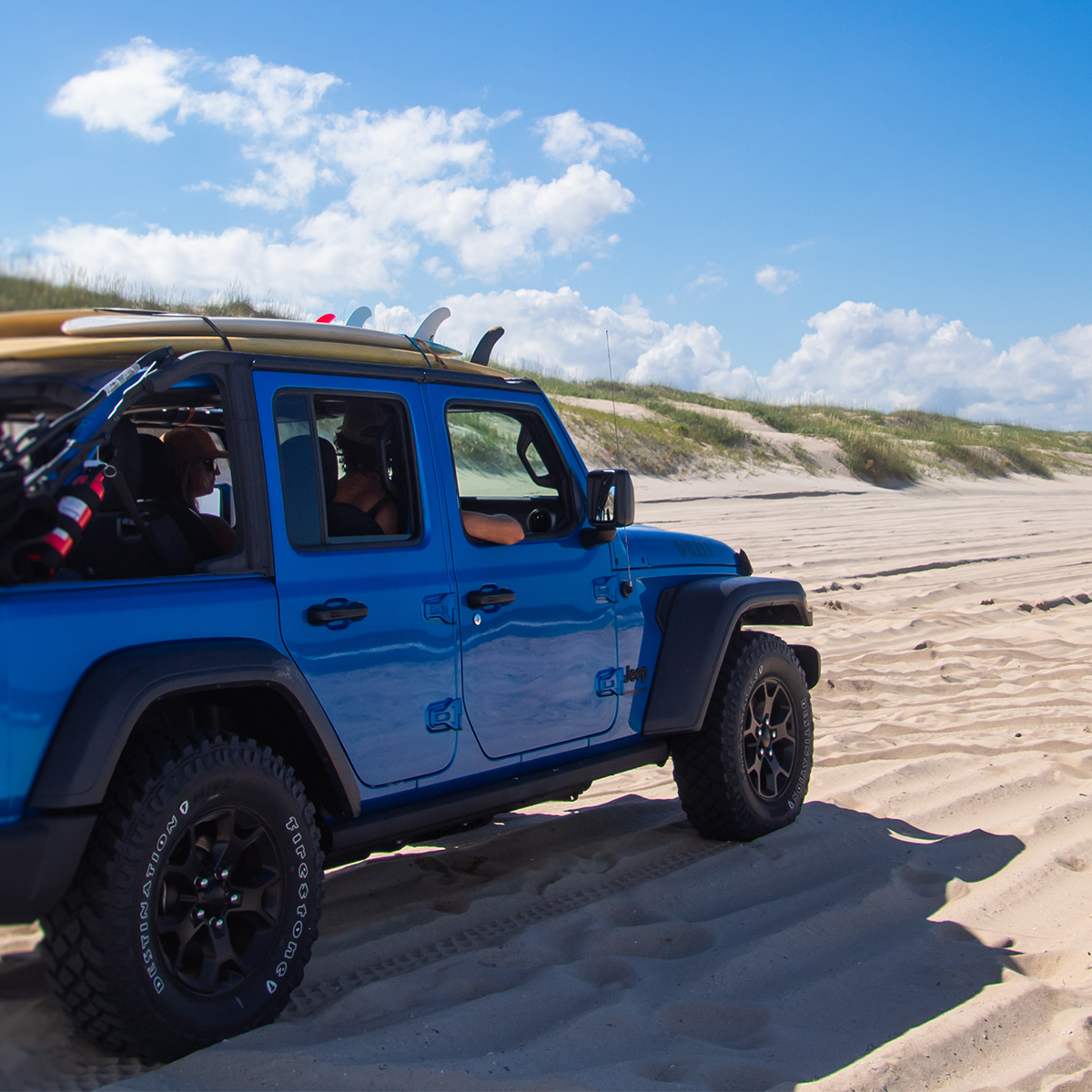
Use a digital or dial gauge to measure the current PSI of all four tires. Record these numbers so you know how much air to release.

Press the center pin of the valve stem briefly to release air. Check the gauge frequently. Aim for 20–25 PSI for standard beach driving, or lower for very soft sand.
Use four-wheel drive and steady throttle
Engaging four-wheel drive correctly is the difference between gliding over the sand and getting high-centered on a dune. Most modern SUVs and trucks offer selectable 4WD modes, but understanding how to use them on loose surfaces is essential. Engage low range if your vehicle has it, especially if you are tackling soft, deep sand or steep inclines. This multiplies torque and allows the engine to pull you through resistance without over-revving. If you are driving on firm, packed sand near the waterline, high-range 4WD is usually sufficient and easier to manage.
Once 4WD is engaged, your primary focus shifts to throttle control. The goal is to maintain momentum without spinning the wheels. Think of the sand like a thick syrup; you need a steady, consistent flow rather than sudden bursts. Apply gentle, steady pressure to the accelerator. If you feel the wheels beginning to spin, ease off immediately. Spinning wheels dig a hole, turning your vehicle into an anchor. A smooth, constant speed keeps the tires riding on top of the packed surface rather than cutting into the loose layer below.
Steering requires a similar touch. Sharp turns act as brakes in the sand, causing the front wheels to dig in and potentially stall the vehicle. Keep your steering inputs light and gradual. Aim to drive in straight lines as much as possible, adjusting your path only when necessary. If you must turn, do so slowly and with minimal wheel angle. This preserves your forward momentum and prevents the vehicle from getting stuck in a rut. By combining steady throttle with gentle steering, you keep the vehicle moving efficiently across the beach terrain.
Avoid sharp turns and sudden braking
Sand behaves differently than pavement, and your vehicle’s momentum works against you if you fight it. The most common way drivers get stuck isn’t by going too slow, but by making sudden, aggressive moves that disrupt the tire’s grip on the loose surface.
Sharp turns act as immediate brakes. When you yank the steering wheel on soft sand, the front tires dig into the softer areas rather than rolling over them. This creates a sudden resistance that can stall the engine or, in severe cases, cause the vehicle to tip. Keep your steering inputs smooth and gradual. Think of the sand as a fluid; you are navigating through it, not cutting through it. If you need to change direction, do it over a long arc with minimal steering angle.
Sudden braking is equally dangerous. On pavement, ABS systems help you maintain control during hard stops. On sand, locking up your wheels or braking hard causes the tires to dig in immediately, burying the vehicle. Instead, use engine braking by letting off the accelerator to slow down gently. If you must use the brakes, apply them lightly and intermittently to avoid digging a hole.
Maintaining a steady, moderate speed helps the tires float on top of the sand. If you feel the vehicle slowing down, resist the urge to slam on the gas. A sudden burst of power will just spin the tires and dig you deeper. Smooth inputs are the key to staying mobile on the beach.
Recover safely if you get stuck
Getting bogged down in soft sand is a common part of beach driving. The goal is to free the vehicle without digging a deeper hole or damaging the drivetrain. If you are stuck, stop spinning your wheels immediately. Spinning only removes the sand beneath your tires, creating a trench that makes recovery harder.
1. Assess the Situation
Before touching any gear, check your surroundings. Look for hard-packed sand, wet sand near the tide line, or natural obstacles like driftwood that could help anchor a recovery board. If you are alone, ensure you have your recovery boards, shovel, and tire pressure gauge within reach. If others are nearby, ask for help to spot or push.
2. Adjust Tire Pressure
If your tires are still inflated to highway pressure, they will float on top of the sand. Lowering your tire pressure increases the tire's footprint, allowing it to grip the surface. Aim for 15–18 psi for most light trucks and SUVs, but always check your vehicle’s specific recommendations. Use a reliable gauge to ensure both tires on the same axle are equal.
3. Place Traction Aids
If lowering pressure isn’t enough, use traction boards or a shovel. Dig out the sand directly in front of and behind your drive wheels. Place traction boards flat against the tire, ensuring the arrows point in the direction of travel. If using a shovel, create a ramp of firm sand or gravel under the tires. Avoid placing debris that could damage your undercarriage.
4. Attempt Slow, Steady Movement
Shift into drive or reverse (depending on your direction of travel) and apply gentle, consistent throttle. Do not jerk the steering wheel. If the vehicle moves forward, keep the momentum slow and steady. If you feel the tires spinning again, stop immediately and reassess. Forcing the vehicle with high RPMs will only dig you in deeper.
5. Use a Winch or Tow Strap if Needed
If self-recovery fails, use a winch or tow strap. Always attach recovery points to the vehicle’s frame or dedicated recovery hooks, never to bumpers or axles. Use a damper (blanket) over the strap or winch line to reduce the risk of it snapping back. If towing, ensure the other vehicle is on firm ground and moves slowly.
-
Stop spinning wheels immediately
-
Lower tire pressure to 15-18 psi
-
Dig out sand and place traction boards
-
Apply gentle, steady throttle
-
Use winch/tow strap only as last resort
Frequently asked questions about beach driving
What is the best tire pressure for sand?
Lower the pressure in all tires to 20-25 psi before driving onto the beach. Softer sand requires lower pressure to increase the tire's surface area and prevent sinking. Always reinflate your tires to the standard manufacturer recommendation before returning to paved roads to ensure safe handling.
What vehicle features matter most?
4-wheel drive (4WD) and all-wheel drive (AWD) vehicles with higher ground clearance perform best. We recommend at least 7.5 inches of clearance to navigate dunes and avoid getting high-centered on uneven terrain. Two-wheel-drive cars can drive on hard-packed wet sand but are risky in soft, dry areas.
What are the 5 F's of driving?
The 5 F's is a pre-drive safety checklist: check Fluids for leaks, look for Fractures in the windshield or body, clean Filth off sensors and lights, ensure Freedom of movement behind the car, and verify the Footbrake works correctly. This circle check helps prevent breakdowns in remote coastal areas.
Can I drive on any beach?
No. Beach driving is only permitted on designated public access points and marked zones. Always check local regulations, as many beaches are protected habitats where vehicles are strictly prohibited during nesting seasons. Driving on restricted beaches can result in heavy fines and vehicle impoundment.
What should I do if I get stuck?
Stop spinning your tires immediately to avoid digging deeper. Clear sand from around the tires and under the vehicle's undercarriage. Place traction boards or mats in front of the drive wheels and gently accelerate. If you cannot free the vehicle, call for professional recovery rather than risking further damage.
No comments yet. Be the first to share your thoughts!