

Check local access rules first
Beach driving is not a universal right; it is a regulated privilege that changes with every county line and even every mile marker. Before you inflate your tires or pack the gear, you must verify the specific regulations for your destination. Rules regarding permits, vehicle weight limits, and seasonal closures vary wildly between jurisdictions, and ignoring them can result in heavy fines or vehicle recovery costs.
Start by identifying the governing body for your target beach. In many coastal areas, the local tax collector’s office issues driving permits, while parks departments manage seasonal access windows. For example, in the Outer Banks, driving is permitted year-round on Hatteras Island but restricted to October 1 through April 30 in Nags Head and Kill Devil Hills [src-serp-1]. In Currituck County, regulations are tied directly to vehicle tire pressure and weight class [src-serp-3].
Do not rely on general advice or outdated blog posts. Check the official county website or call the local non-emergency police line to confirm:
- Permit requirements: Some areas require a daily or annual pass purchased online or at local vendors.
- Seasonal closures: Many beaches close to vehicles during nesting season for shorebirds or sea turtles, typically from spring to early fall.
- Vehicle restrictions: Some jurisdictions ban lifted trucks or require specific tire pressure limits (often 20 PSI) to prevent getting stuck.
Treat this verification step as your first checkpoint. Arriving without checking can mean turning around at the gate or paying penalties that outweigh the cost of a rental car.
Get your beach driving permit
You cannot legally drive on the beach without a permit. Driving without one is illegal and subject to fines that can reach $500, depending on the jurisdiction. Accessing the beach from non-designated points is also prohibited in most areas.
The process is straightforward but mandatory. You must obtain the permit from the local tax collector’s office or the relevant county authority before you hit the sand. Without this permit, your vehicle is not authorized for beach use.
To acquire the permit, you will need to watch a short video (about 10 minutes) covering beach driving rules and regulations. This training ensures you understand the specific hazards and etiquette of off-road beach driving. After watching the video, you will pay a weekly or annual fee.
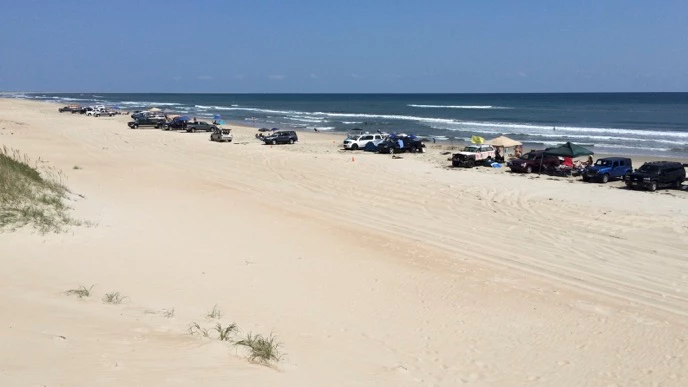
Keep your permit visible in your vehicle as required by local laws. Regulations vary by county, so check with the specific tax collector’s office for your destination to confirm current fees and procedures.
Adjust tire pressure for sand
Airing down your tires is the single most important safety step before driving on the beach. Proper pressure allows the tire to flex, increasing the contact patch with the sand. This "footprint" provides the traction needed to move forward without sinking. It also reduces the risk of getting high-centered on dunes or ruts.
Think of your tires like snowshoes. On pavement, you want minimal contact for efficiency. On sand, you need maximum surface area to float over the loose surface. Without enough air, your tires dig in like boots in mud, causing you to get stuck.
Check your vehicle weight class
Start by identifying your vehicle type. Heavier vehicles require higher pressure to support their weight while still maintaining a wide footprint. Lighter vehicles need less air to achieve the same floating effect.
Recommended PSI settings
Follow these baseline guidelines based on vehicle weight:
- SUVs and ½-ton 4x4s: Air down to 20 PSI.
- ¾-ton 4x4s and heavier trucks: Air down to 35 PSI.
These numbers are general starting points. If you are carrying heavy cargo or towing, you may need to adjust slightly higher. Always consult your owner’s manual for specific tire load limits.
How to air down safely
- Park on firm sand. Do not attempt to adjust tires on soft, unstable ground where the vehicle might sink or shift.
- Release air slowly. Use a tire pressure gauge to monitor the pressure as you release air. Do not guess.
- Check all four tires. Ensure all tires are at the same pressure for balanced handling.
- Drive slowly. Once aired down, keep your speed low and steady to maintain traction.
Remember to reinflate your tires before leaving the beach. Driving on pavement with low tire pressure can damage your tires and reduce fuel efficiency.
Follow speed and lane rules
Driving on the beach requires strict adherence to speed limits and lane discipline. These rules exist to protect pedestrians, wildlife, and other drivers sharing the sand. Treat the beach like a shared public space, not an open track.
Obey the 10 mph speed limit
The universal speed limit for beach driving is 10 miles per hour. This low limit accounts for soft sand, hidden debris, and unpredictable pedestrian movement. Signage is posted at every vehicular access point, so check them before you enter.
Exceeding this limit reduces your ability to stop quickly and increases the risk of losing control. Stick to the limit, especially near crowds or dunes.
Stay in your lane
Most designated beach driving areas have marked lanes. Drive in the lane closest to the water unless directed otherwise. This keeps the upper beach clear for walkers, families, and vendors.
If no lanes are marked, drive on the left side of the beach (from the perspective of facing the ocean) to allow oncoming traffic to pass safely. Yield to pedestrians at all times. If the beach is crowded, consider parking and walking instead of driving.
Prepare recovery gear and checks
Before you cross the high-tide line, your vehicle needs to be ready for soft sand and sudden tides. Beach driving regulations often require a permit, but they rarely cover your recovery if you get stuck. You are responsible for your own extraction.
Start with tire pressure. Most 4x4s and SUVs need between 15 and 20 PSI to float on sand without sinking. Over-inflated tires dig in; under-inflated ones risk bead separation. Use a reliable gauge and a compressor to adjust. Many beach access points have air stations, but bring your own just in case.
Pack a recovery kit that includes a shovel, traction boards, and a snatch strap. A high-lift jack is essential for changing tires in deep sand, though it requires a solid base to operate safely. Keep a first-aid kit and extra water within reach. The environment changes quickly, and help may be hours away.
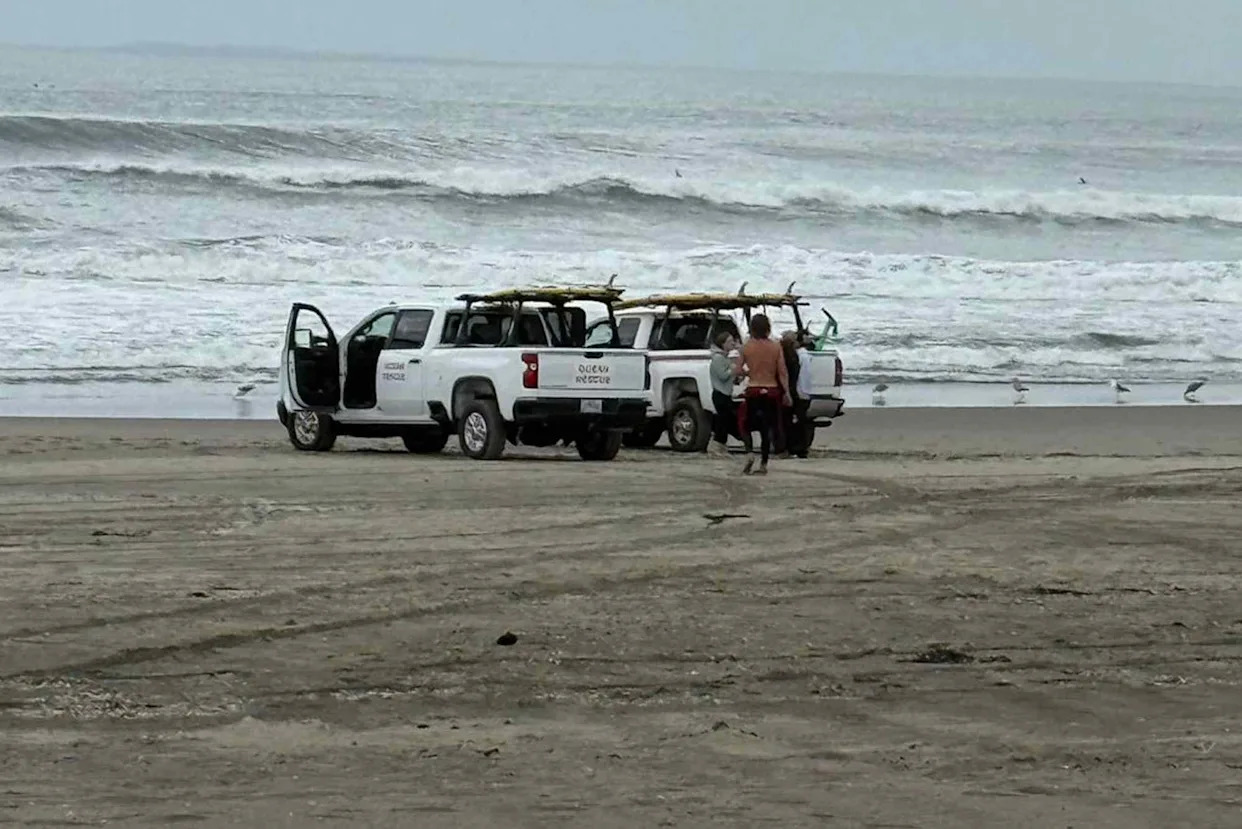
Check your vehicle’s undercarriage and fluid levels before departure. Sand can clog air filters and damage suspension components if you are not careful. Ensure your battery is fully charged, as recovery efforts drain power quickly. A dead battery in the surf is a serious emergency.
-
Deflate tires to 15-20 PSI for sand traction
-
Pack a high-lift jack with a sand base plate
-
Bring a shovel and traction boards
-
Carry a reliable tire pressure gauge and compressor
-
Check fluid levels and battery charge
Frequently asked questions about beach driving
Beach driving regulations vary significantly by location, but certain rules remain consistent across most jurisdictions. Understanding these requirements before you arrive prevents fines and keeps you safe on the sand.
Do I need a permit to drive on the beach?
In most areas, yes. Driving on the beach without a permit is illegal and subject to a $500 fine. You must obtain the correct permit for the specific beach you plan to access. Always check the local county or state parks website for current pricing and permit types before you go.
What is the speed limit on the beach?
The speed limit on the beach is typically 10 miles per hour. This low speed is necessary because sand conditions change rapidly, and visibility is often limited by dunes or other drivers. Rules signage is posted at each vehicular beach access, along with water condition signs. Always obey these posted limits.
Can I access the beach from any point?
No. Accessing the beach from a non-designated access point is also illegal and often dangerous. You must use official access points marked with signage. These points are maintained to prevent erosion and ensure safe entry onto the sand.
Put Beach Driving Regulations into practice
No comments yet. Be the first to share your thoughts!