
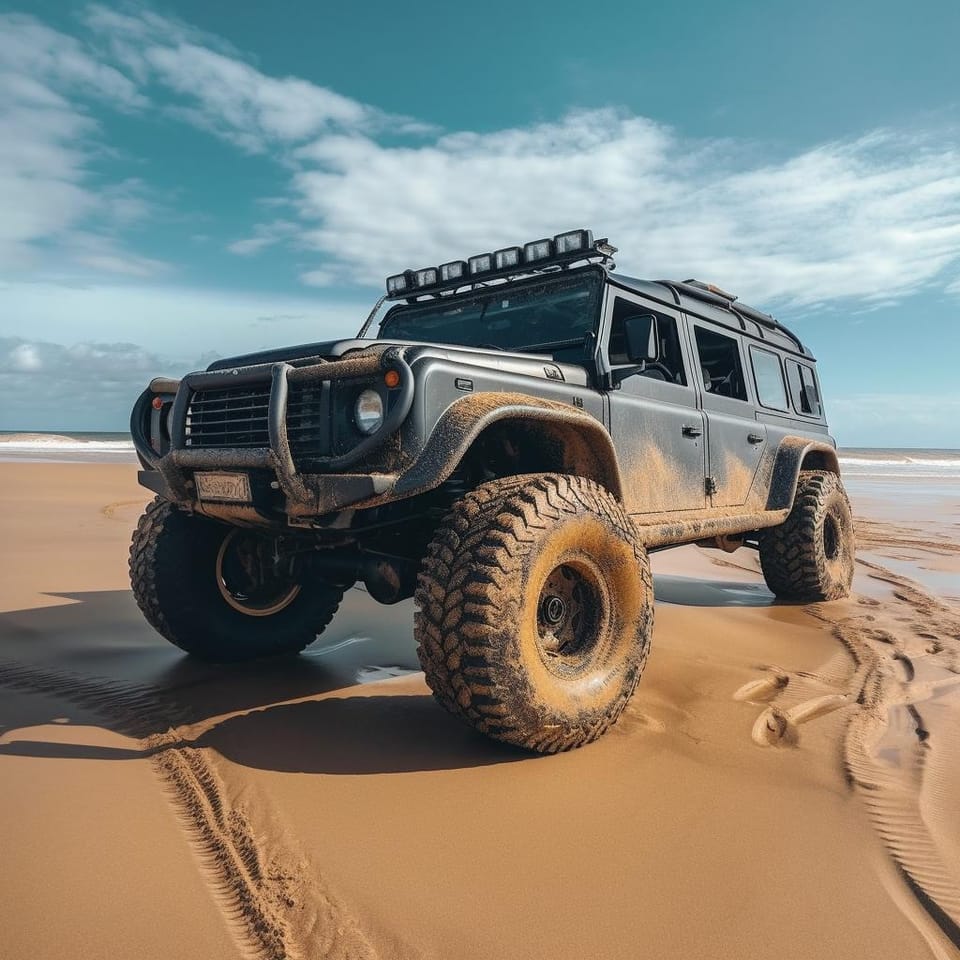

Kickstart Your 4x4 Adventure: Embracing the Beach Drive 🏖️
Imagine the thrill of your 4x4 purring as you leave the tarmac, tires sinking slightly into the welcoming softness of the sand. Welcome to the exhilarating world of beach driving, where every journey is an adventure, every turn a new challenge. But, don't be fooled, 4x4 sand driving is not for the faint-hearted; it requires skill, understanding, and a healthy respect for Mother Nature.
From mastering the art of sand traction techniques to adjusting your tire pressure for sand, prepping for an offroad beach driving expedition is akin to preparing for a dance. You and your 4x4 need to move in harmony with the shifting sands. Are you ready to uncover the secrets of beach driving and find the perfect off road beach near you?
So, buckle up, adventurers! Let's dive into the world of beach driving, where the ocean meets the sand, and your 4x4 is your dance partner.
To give you a taste of what's in store, let's take a look at this thrilling video that not only showcases the exhilarating adventure of beach driving but also reveals some secrets on how to avoid getting stuck in the sand.
Now that you've seen what beach driving looks like in action, let's delve deeper into understanding the concept of sand traction, a key aspect that makes such thrilling drives possible.
Sand Traction 101: Navigating Your 4x4 on Beach Terrain 🚗
Driving on the beach is exhilarating, but the shifting, unsteady nature of sand can turn your 4x4 adventure into a tricky challenge. That's where understanding sand traction comes into play. Think of it as your 4x4's grip on the sandy surface - a delicate dance between your tires and the sand beneath them.
Why is sand traction so crucial? Well, imagine trying to run on a slippery floor in socks. That's your 4x4 trying to drive on sand without proper traction. It's a constant battle against sinking, slipping, and getting stuck. Mastering sand traction techniques is the key to a smooth and safe beach driving experience.
Remember, different beaches have different sand conditions. Whether you're exploring the off-road beach near you or venturing to the sands of Corolla, understanding sand traction will help you conquer any beach terrain. Ready to dig deeper into the science of sand traction? Check out our comprehensive guide on the topic.

Unlocking Smooth Rides: The Role of Tire Pressure in Sand Driving 🚙
Picture this: you're in your trusty 4x4, sun on your face, the salty breeze in your hair, and miles of sandy beach stretching before you. Sounds idyllic, right? But, what if your wheels start spinning, and your vehicle sinks into the sand? This is where tire pressure comes into play.
When driving on sand, reducing your tire pressure allows for a larger contact patch with the surface, increasing traction and preventing your 4x4 from becoming a beached whale. It's like the difference between walking on snow in high heels (bad idea) versus snowshoes (much better).
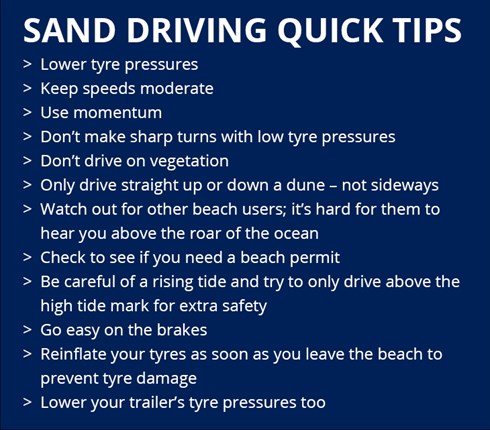
So, how low should you go? That depends on the sand conditions, but generally, a pressure of 15-20 PSI works well for most beach driving. Just remember, don't forget to re-inflate before hitting the tarmac again! Need more tips? Check out our guide on avoiding getting stuck in the sand.
Now that we've understood the importance of tire pressure for beach driving, let's dive into the process of adjusting it correctly.
Mastering Tire Pressure for Beach Driving: A Step-by-Step Guide
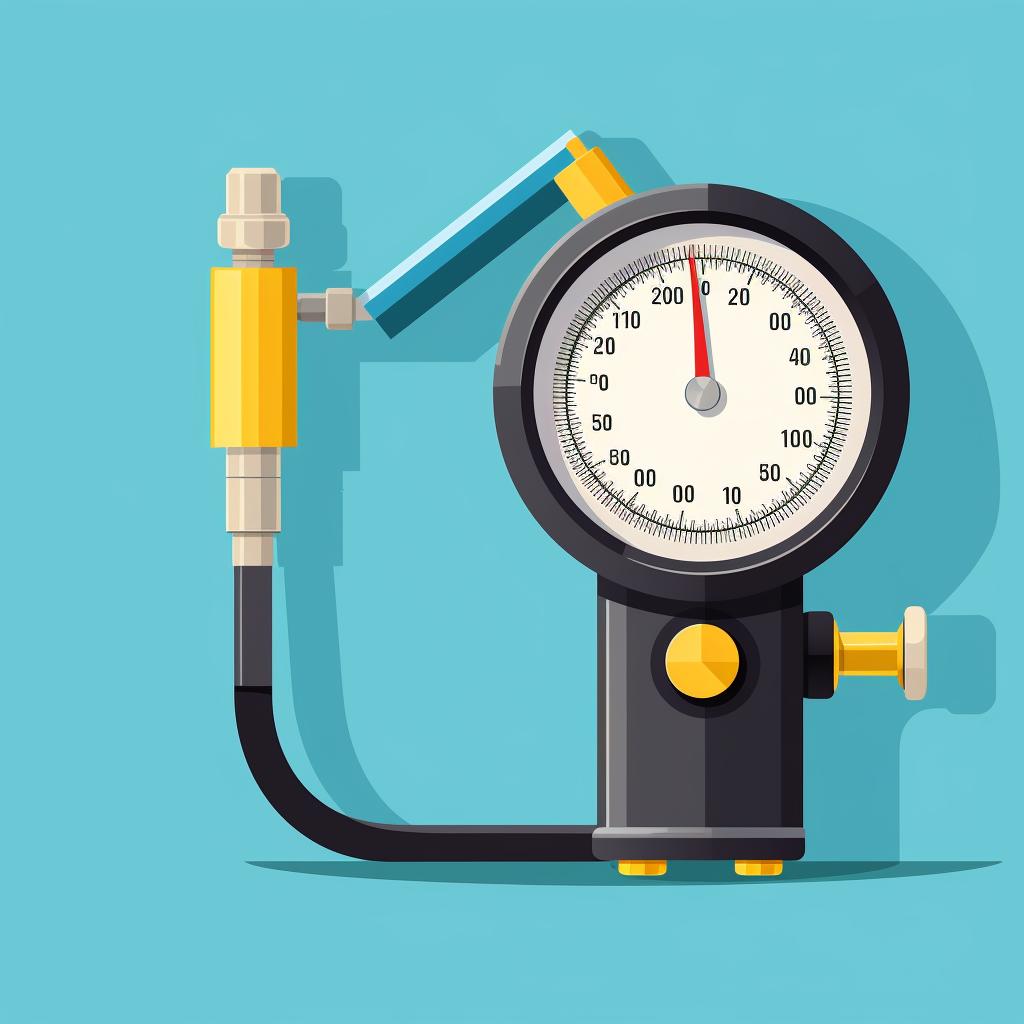
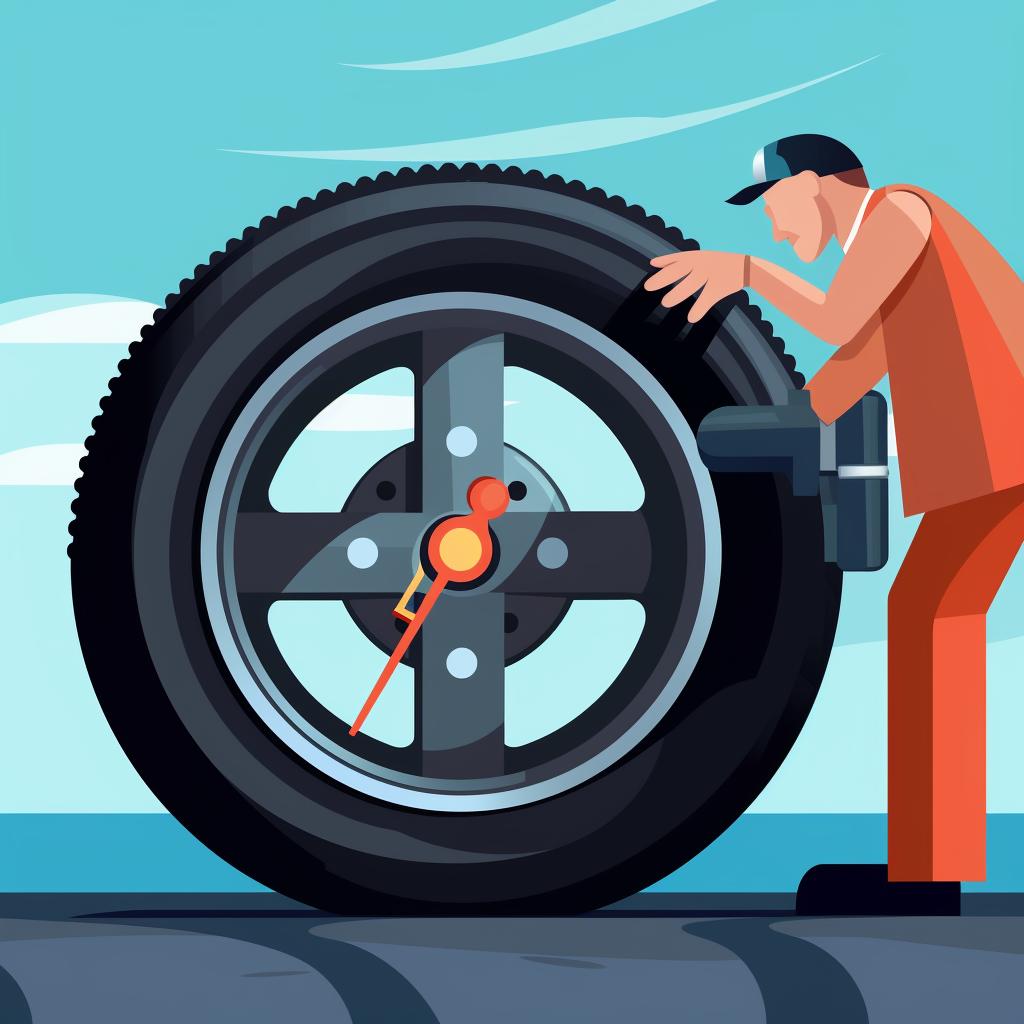
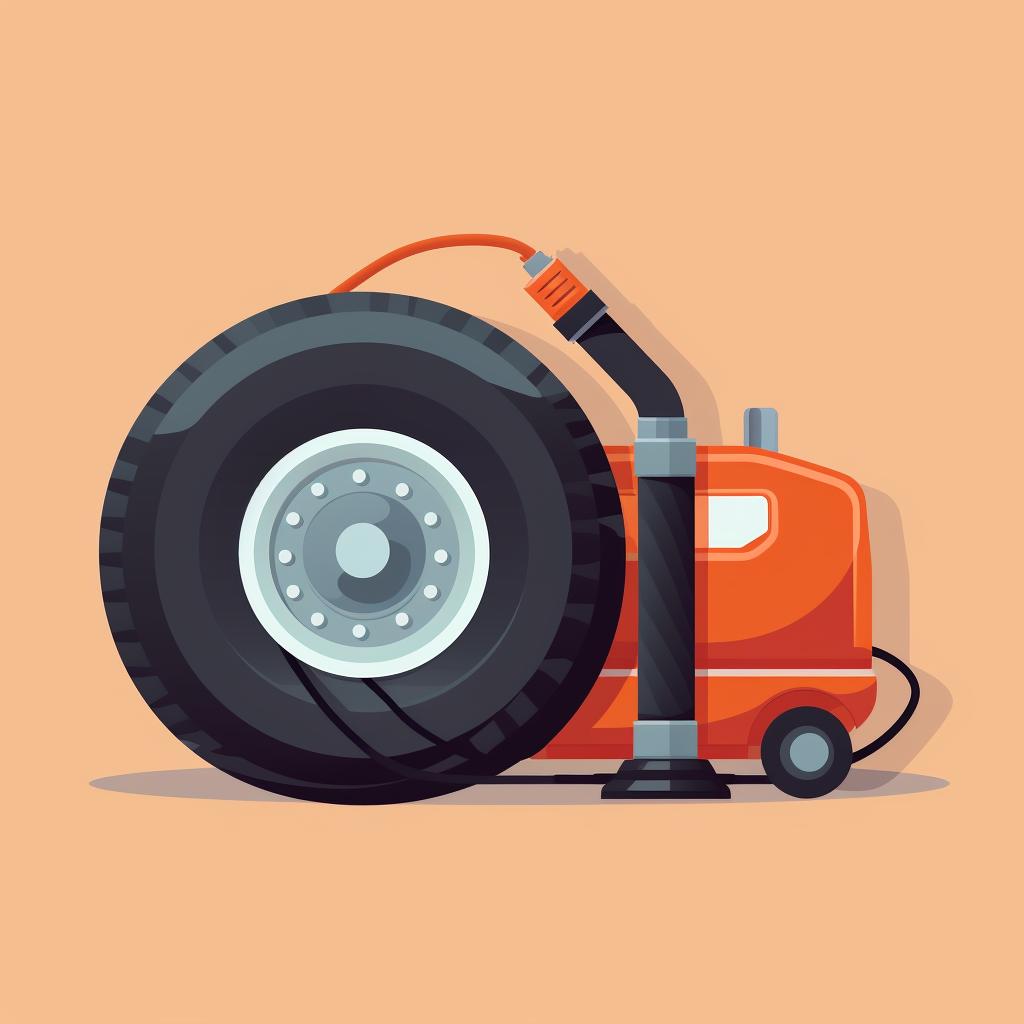


Learn more about Mastering Tire Pressure for Beach Driving: A Step-by-Step Guide 🏖️ or discover other Coast Buddy guides.
Now that you know how to adjust your tire pressure for beach driving, let's move on to converting these measurements to different units with our handy tire pressure conversion tool.
To ensure a smooth beach drive, it's crucial to adjust your tire pressure correctly. Use our handy tire pressure conversion tool below to easily convert between PSI and Bar units.
Learn more about 🚗 Tire Pressure Conversion Tool or discover other Coast Buddy calculators.
Remember, the right tire pressure can significantly improve your 4x4's sand traction. Always check your vehicle's manufacturer guidelines for the recommended tire pressure.
Beach Driving Mastery: Tips & Tricks for Your 4x4 Sand Journey 🏝️
When it comes to beach driving, it's all about the art of maneuvering. Picture yourself behind the wheel of your 4x4, the sun is setting, and the beach is your playground. But wait, your wheels start spinning, and you're stuck in the sand. What do you do?
Well, the answer lies in the mastery of getting unstuck. The first tip is to avoid abrupt acceleration, which can dig you deeper into the sand. Instead, gently rock your vehicle back and forth to create momentum. If that doesn't work, try decreasing your tire pressure for improved sand traction. Remember, every beach has its unique sand conditions, so you might need to experiment with different tire pressures.
Turning and climbing on sand require finesse. For turning, it's best to maintain a slow, steady speed and avoid sharp turns. When climbing, keep your momentum going without over-accelerating. With these beach driving tips, you'll be a beach off-roading pro in no time!

Beach Drive Etiquette: Rules & Regulations for Responsible Offroading 🚦
Driving on the beach is a unique and thrilling experience, but it's not a free-for-all. There are essential rules and regulations to follow to ensure safety and protect the environment. For instance, did you know that most beaches require you to have a specific tire pressure for sand to prevent getting stuck and damaging the ecosystem?
Moreover, some beaches may require a permit for offroad beach driving. This is to control the number of vehicles on the sand and protect local wildlife. Before you head out to the Corolla off road beach or any other beach off roading near you, make sure you're aware of the local regulations.
Lastly, remember that the beach is a shared space. Respect other beachgoers and wildlife. Drive slowly, stick to designated areas, and always clean up after yourself. For more details on how to enjoy your beach driving experience responsibly, check out our guide on environmental stewardship while enjoying the sands.
Do's and Don'ts of Beach Driving
- Do lower your tire pressure to increase traction on the sand. This is crucial for smooth and safe beach driving.
- Don't drive too fast. The beach is a shared space, and driving at high speeds can be dangerous to other beachgoers and wildlife.
- Do stick to designated driving areas. These areas are marked for a reason - to protect both drivers and the environment.
- Don't ignore signs or barriers. They are there to guide you and ensure your safety as well as the safety of others.
- Do clean up after yourself. Leave no trace to preserve the beauty of the beach for future visitors.
- Don't drive on dunes or vegetation. These areas are often protected due to their ecological importance.
- Do carry a tire pressure gauge and recovery gear. You never know when you might need them.
- Don't forget to re-inflate your tires before driving on hard surfaces again. Driving with low tire pressure on hard surfaces can damage your tires.
Your Beach Drive Awaits: Gearing Up for a 4x4 Sand Adventure 🌅
And there you have it, sand-faring adventurers, the art of beach driving with your 4x4 demystified. From understanding the science of sand traction techniques to mastering the finesse of tire pressure for sand, you're now equipped to conquer the beach off-roading near you. But remember, with great power comes great responsibility—keep our beaches beautiful and safe for all by adhering to beach driving etiquette and guidelines.
Now, can you hear the call of the Corolla off-road beach? Are the off-road beaches near you whispering your name? Whether it's your first time or you're a seasoned sand surfer, remember, every beach drive is a unique adventure waiting to be written in the annals of your 4x4 beach guide.
So, fire up that 4x4, lower those tire pressures, and let the sand beneath your wheels tell a story of thrilling beach drives and unforgettable sunsets. Ready? Your off-road beach adventure awaits...
Mastering the Art of Beach Driving
Test your knowledge on beach driving, sand traction, and tire pressure with this interactive quiz!
Learn more about 🚗 Mastering the Art of Beach Driving: Take the Ultimate Quiz 🏖️ or discover other Coast Buddy quizzes.

No comments yet. Be the first to share your thoughts!